




Cardinal Logistics Looks Under Every Rock for Fuel Economy
"Managing fuel is really a proxy for how well you manage your overall business," said Vin McLoughlin, chairman of Cardinal Logistics. "But it's not that easy.
"Managing fuel is really a proxy for how well you manage your overall business," said Vin McLoughlin, chairman of Cardinal Logistics. "But it's not that easy."
Numerous factors affect a truck's fuel performance: weather, geography, load size and type, urban streets vs. interstate highways. These are all difficult to track, and it's even harder in slip-seat operations where drivers move among trucks, which the carrier has.
For Cardinal Logistics, fuel economy is all about micromanagement. In McLoughlin's world, effectively managing fleet fuel consumption means knowing what every driver is doing and how every truck is performing every step of the way. That way you can troubleshoot quickly, he says.
Cardinal is in the process of installing information collection systems that use blue tooth and a driver's handheld device to collect data from drivers and trucks throughout a given day. This can help alleviate the problems associated with tracking fuel efficiency in slip seating, McLoughlin says.
Another large part of that micromanagement is making sure trucks get to the cheapest refueling stations. Cardinal Logistics uses Appian truck routing software to manage drivers individually, and to make sure trucks pass near optimum refueling points, usually stations with which Cardinal has purchasing agreements. This makes an enormous difference in how much fleets pay for fuel.
"It's all about execution at the local level," McLoughlin reiterates. "When prices are $4 a gallon, you have to look under every single rock."
More Fuel Smarts
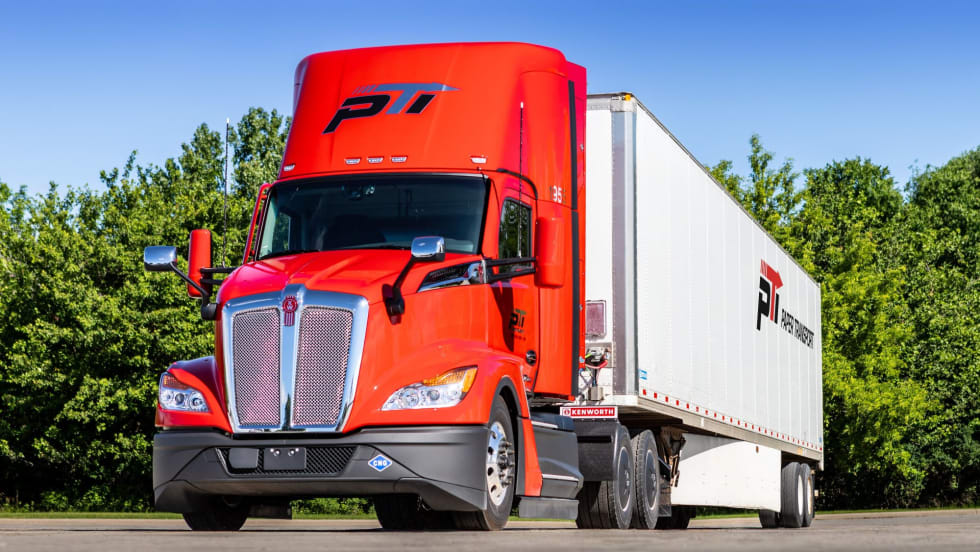
Lessons Learned About Alternative Fuels: Start Small, Stay Flexible
Practical advice on adopting alternative fuels and ZEVs from HDT's 2026 Top Green Fleets, from renewable diesel and natural gas to electric trucks.
Read More →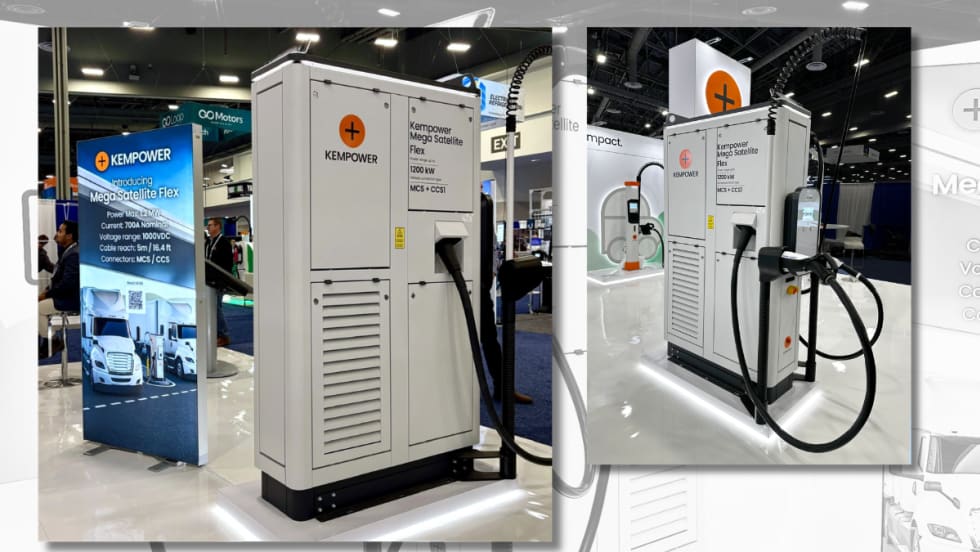
Kempower Adds Flex EV Charger to Help Support Transition to Megawatt Charging
The Kempower Mega Satellite Flex has both a CCS and MCS connector, allowing operators to serve both types of heavy-duty vehicles.
Read More →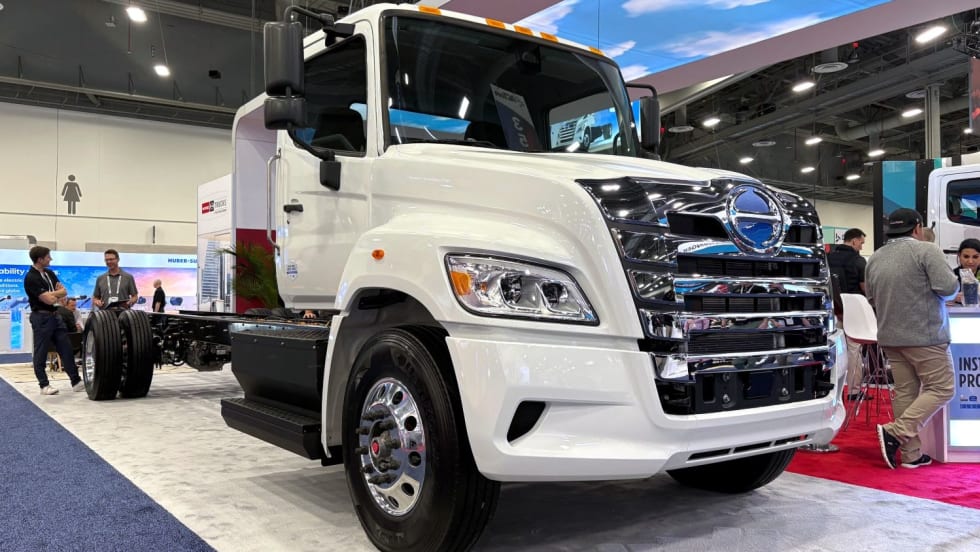
Hino Adds Electric Class 6/7 Truck
Hino says the Le Series is an important step in the company's efforts to reduce environmental impact and support its customers’ sustainability goals.
Read More →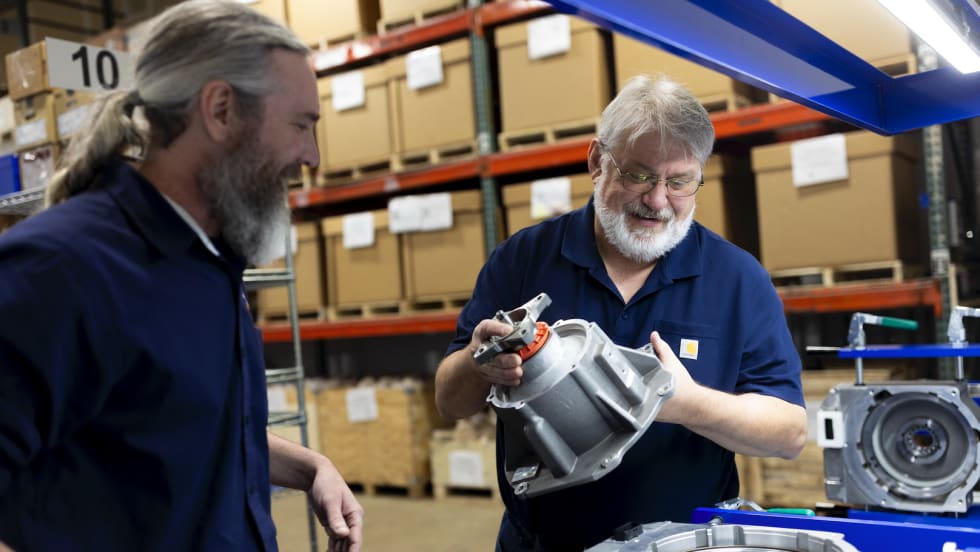
Can Multi-Speed EV Transmissions Solve Heavy Trucking’s Biggest Electric-Vehicle Problems?
A startup called Sigma Powertrain believes purpose-built multi-speed gearboxes can boost efficiency, reduce battery size and improve gradeability for heavy-duty battery-electric trucks.
Read More →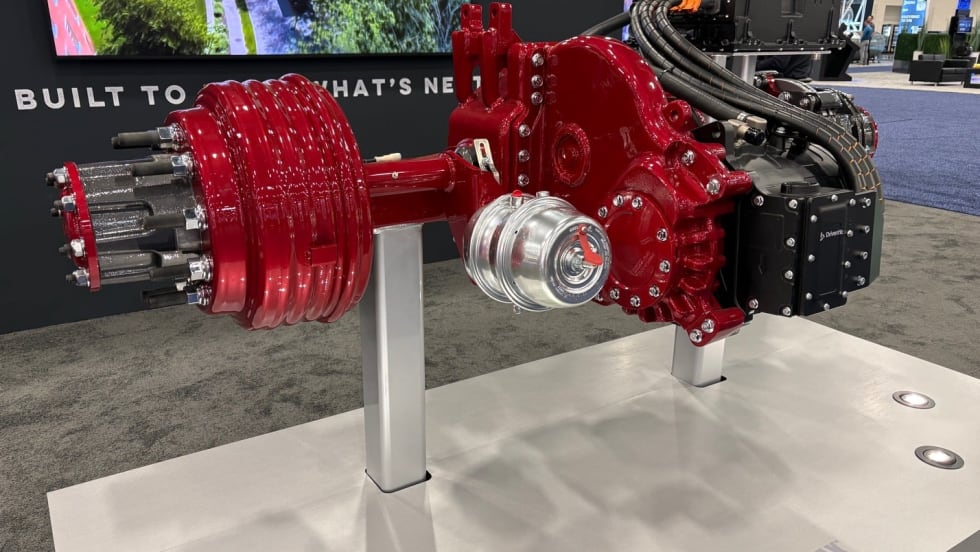
Hendrickson Debuts Electraax E-Axle for Medium-Duty Trucks
Developed with Driventic, Hendrickson's new integrated e-axle is designed to improve efficiency, reduce weight, and extend range in Class 6-7 EV applications.
Read More →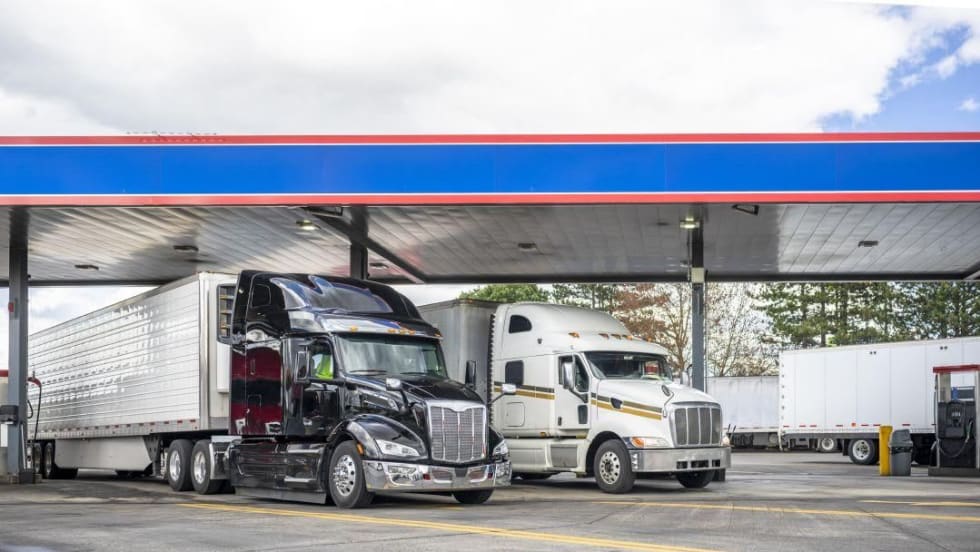
50 Ways Fleets Can Cut Fuel Costs Now — Without Buying New Trucks
Fuel savings don’t come from one big change. They come from dozens of small ones. Here’s how leading fleets are stacking gains across drivers, routing, maintenance, and more.
Read More →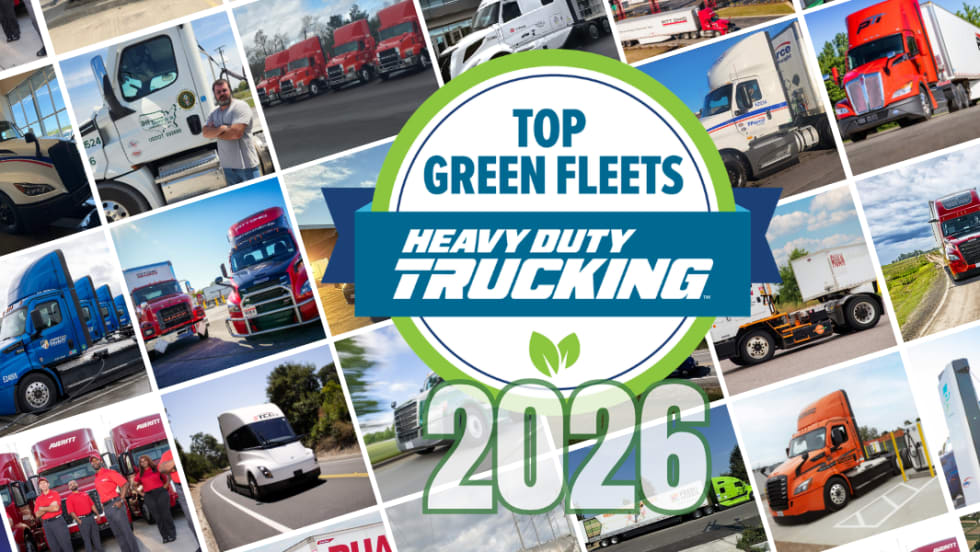
Top Green Fleets 2026: How Fleets Are Reducing Emissions in the Real World
What works in sustainable trucking today? Heavy Duty Trucking's Top Green Fleets are finding practical ways to cut fuel use, reduce emissions, and keep freight moving.
Read More →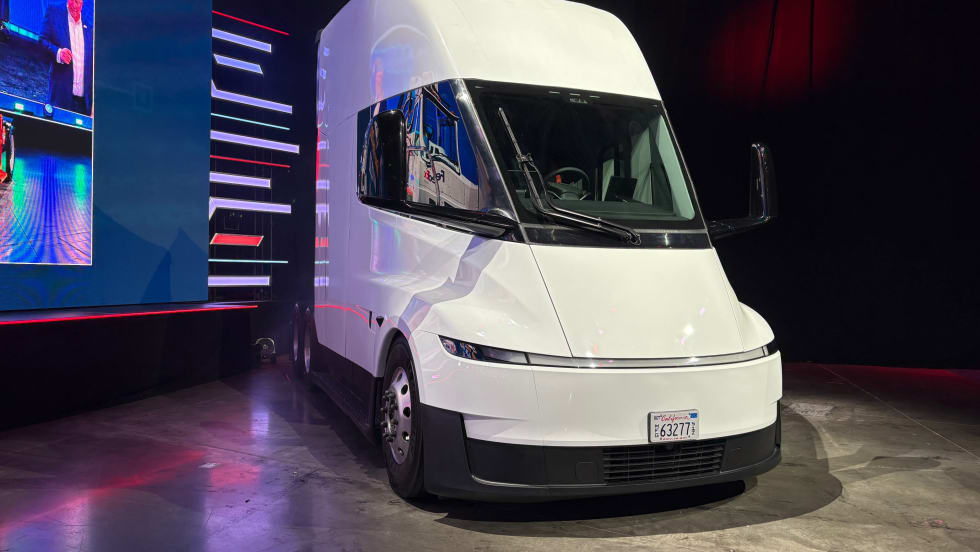
California Launching $1 Billion Electric Truck Rebate Program
CARB says the California Clean Fuel Reward program will begin offering point-of-sale rebates of up to $120,000 for electric commercial trucks starting June 26.
Read More →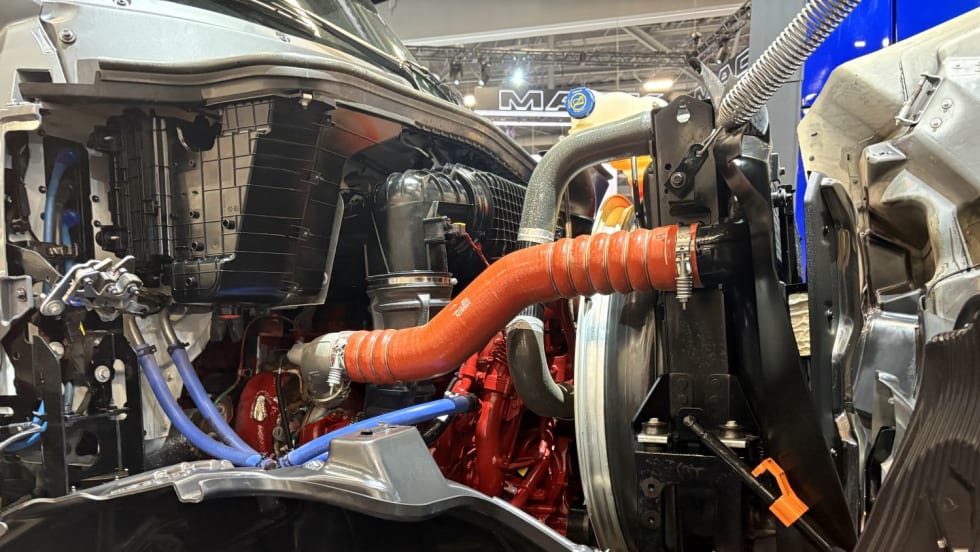
Mack Unveils EPA 2027-Compliant MP13 Engine With More Power, Better Fuel Economy
Along with unveiling its EPA 2027-compliant MP13 engine, Mack outlined powertrain changes across its Class 6-8 lineup, including new Cummins-based X10 engines.
Read More →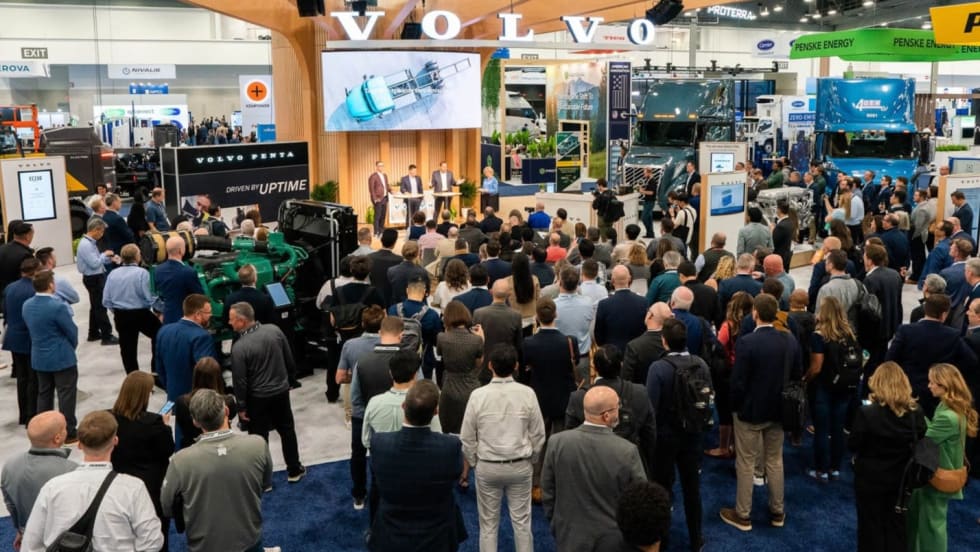
How Volvo’s New D13 Engine Meets EPA 2027 Emissions Without Sacrificing Power or Fuel Efficiency
Volvo says advances in combustion and aftertreatment helped its new EPA 2027 D13 engine avoid the fuel-economy penalties many once expected from tighter NOx emissions limits.
Read More →