




Going Green: For Schneider National, Fuel Efficiency's Old Hat
Schneider National has been tending its fuel economy garden for more than 30 years and has long since picked the fruit within easy reach

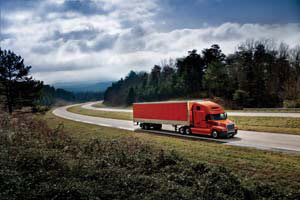
Schneider says its efforts over the years have led to fuel savings of almost 49 million gallons a year.
Schneider National has been tending its fuel economy garden for more than 30 years and has long since picked the fruit within easy reach.
Since 1978, when it started offering drivers incentives to cut idling and save fuel with proper shifting, the giant truckload carrier has built a system that examines every conceivable technology and system to see if it can squeeze a tenth-of-a-percent gain out of each gallon.
"Fuel is our second largest cost, so it's something we definitely want to manage as closely as possible," says Fuel Purchasing Manager Bryan Gerl. "We feel like we're trying to lead the industry in sustainability."
The Schneider engineering staff intensively studies fuel-saving devices and systems. The company is approached by 30 to 50 vendors a year offering fuel economy devices. It requires the vendors to perform tests prescribed by the Society of Automotive Engineers to validate their claims, and if the device clears that hurdle then the company will do its own testing, Gerl says.
Every year between May and September, a four-person Schneider team - a mechanic, an engineer and two drivers - tests equipment and systems, and validates new technologies.
This year's effort is finding benefits in new low-rolling-resistance tires. The 2010 engines using SCR technology also are showing mpg gains.
A Systemic Approach
Gerl prefers not to talk about miles per gallon as a fleet performance statistic, because there are too many uncontrollable variables in the number - weather, the weight of the load, traffic, for example. In the Schneider system, mpg is just one measurement of fuel economy.
"When we look at mpg we try to look at input metrics such as hard braking, overspeed and idling," he explains. "These are the things the driver can control."
Automatic transmissions are an example of Schneider's systemic approach to fuel economy.
The company takes a mixed approach to automatics, which frequently are billed as a way to promote fuel-efficient driving. Gerl says Schneider uses them in some trucks and likes them as much for their safety benefits as for their fuel economy.
Gains in economy really depend on the driver, he says. An experienced driver with a standard transmission can match the fuel economy performance of an automatic transmission. But it's more complicated than just an mpg calculation. Automatics come with an extra maintenance cost because company mechanics have to get certified to work on them.
"We want to make sure we understand the technologies," is the way Gerl puts it.
New Innovations
A recent innovation at Schneider is covers for tractor drive wheels to reduce turbulence. After two years of testing, the company announced earlier this year that after it completes outfitting its fleet, it will reduce drag by about 1 percent and save 1.8 million gallons of fuel a year.
The company also has for the past five years been looking closely at engine-off cooling, with the aim of finding a solution that produces zero emissions. Gerl says these battery-operated systems are "fairly expensive" and Schneider is still measuring the costs and benefits.
He sees fuel-saving possibilities in trailer aerodynamics, particularly with low-rolling-resistance tires and side skirts, but the challenge of trailer utilization remains a tough nut.
"We have large customers who require trailer pools, and obviously you're not getting the benefit of aerodynamics on the trailer if the trailer's not moving down the road."
He is starting to see improvements in tractor and trailer skirts that might make these technologies more attractive. Rigid devices are susceptible to expensive damage, but he's now seeing skirts that have flexible installations that give under contact.
"I think you're going to see more of that," he says.
Current Focus
Schneider has lately has renewed its focus on making sure that its drivers understand how big a factor they are in the performance of the truck, Gerl says. An example: a monthly incentive program for drivers who achieve best-in-industry trip planning.
Another focus right now is getting full use of the fleet's equipment. Schneider is working on communications and decision support systems that allow quick, flexible responses to changing requirements. If a receiver calls to say that the planned delivery time won't work, the company wants to be able to put that driver on a load that can be delivered right away and have another driver ready when the original load is needed.
"Utilization of equipment and drivers is key to efficiency gains," Gerl says.
Schneider says its efforts over the years have led to fuel savings of almost 49 million gallons a year. Money in the bank.
It's also worth noting that under federal and state emissions regulations, engine manufacturers and the trucking industry have managed to cut particulates and NOx emissions by more than 80 percent since 1988.
More Fuel Smarts
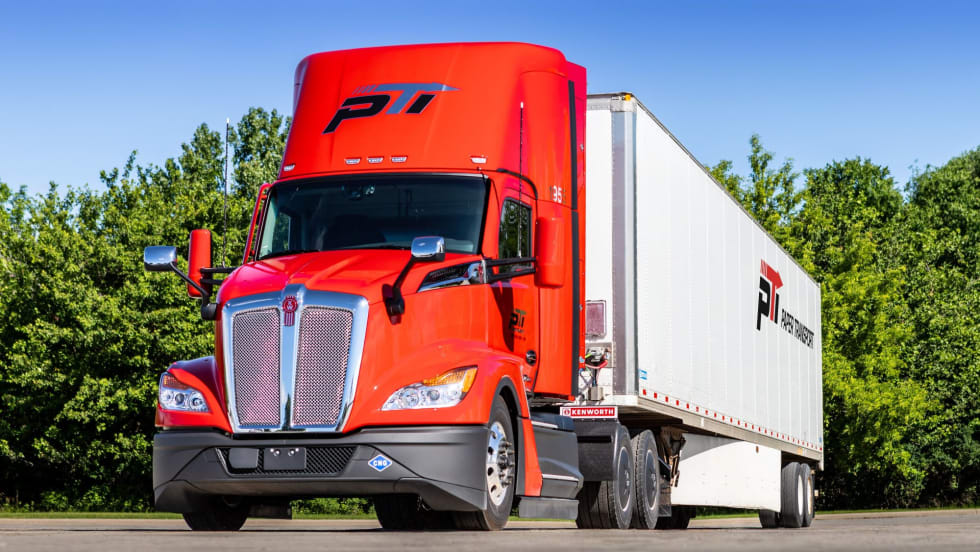
Lessons Learned About Alternative Fuels: Start Small, Stay Flexible
Practical advice on adopting alternative fuels and ZEVs from HDT's 2026 Top Green Fleets, from renewable diesel and natural gas to electric trucks.
Read More →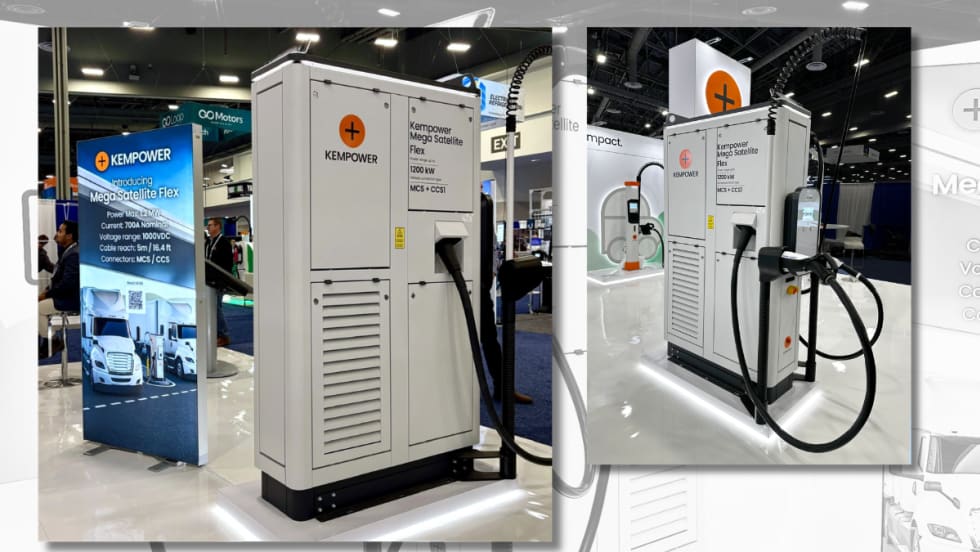
Kempower Adds Flex EV Charger to Help Support Transition to Megawatt Charging
The Kempower Mega Satellite Flex has both a CCS and MCS connector, allowing operators to serve both types of heavy-duty vehicles.
Read More →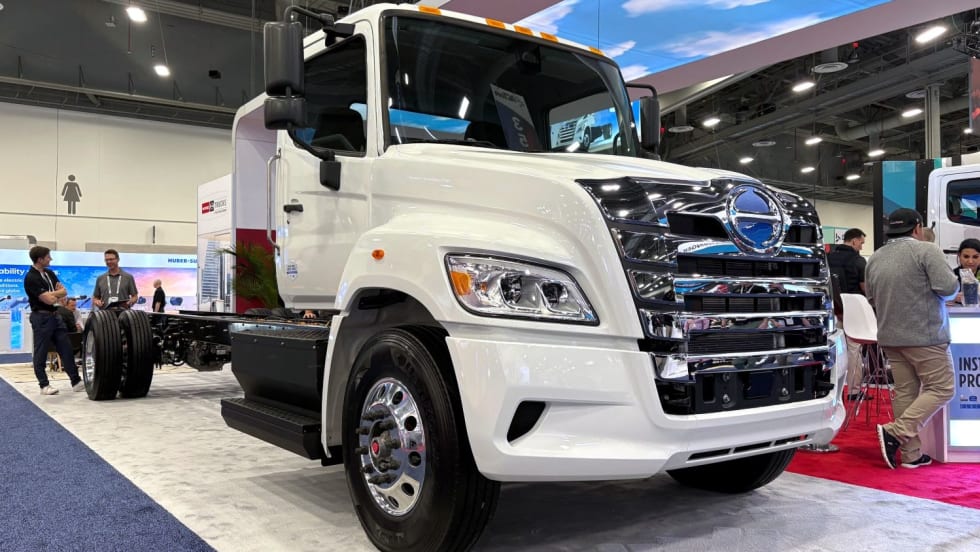
Hino Adds Electric Class 6/7 Truck
Hino says the Le Series is an important step in the company's efforts to reduce environmental impact and support its customers’ sustainability goals.
Read More →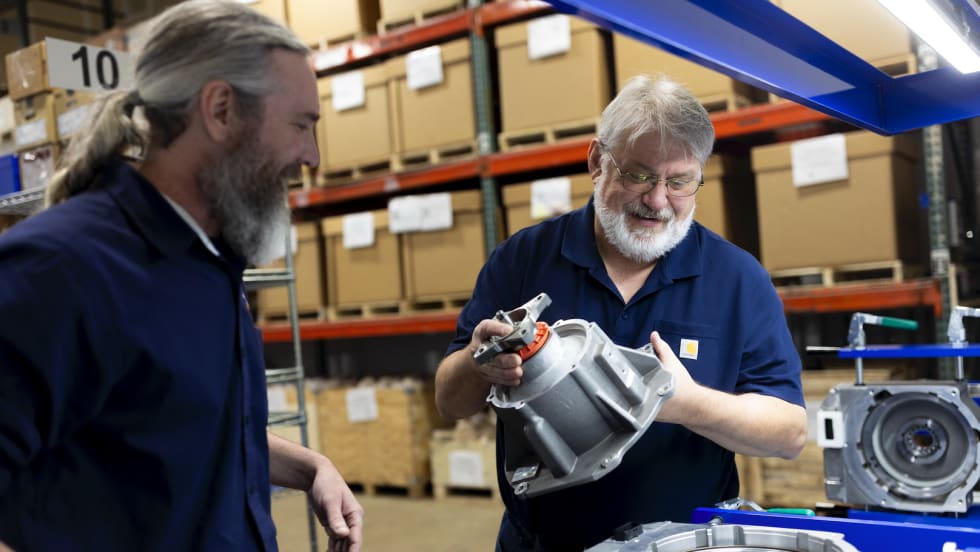
Can Multi-Speed EV Transmissions Solve Heavy Trucking’s Biggest Electric-Vehicle Problems?
A startup called Sigma Powertrain believes purpose-built multi-speed gearboxes can boost efficiency, reduce battery size and improve gradeability for heavy-duty battery-electric trucks.
Read More →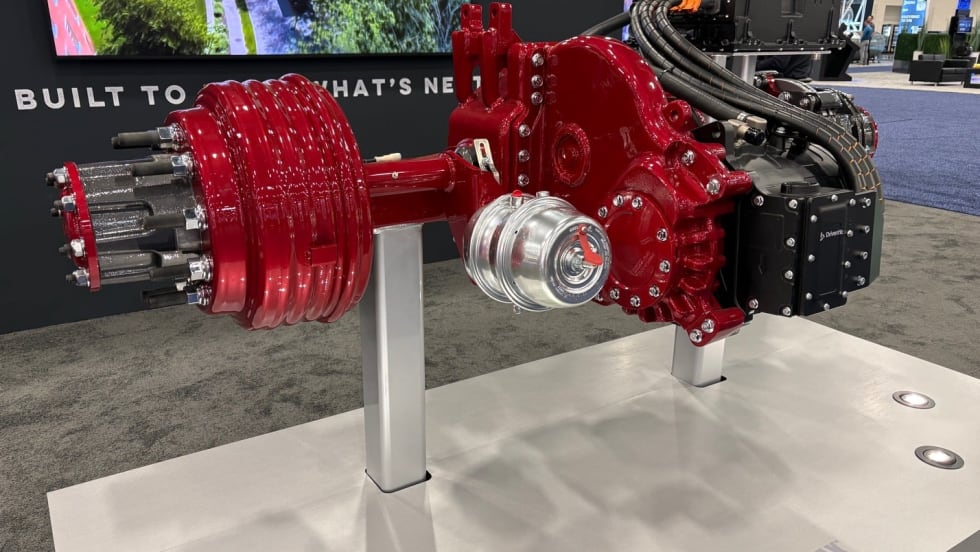
Hendrickson Debuts Electraax E-Axle for Medium-Duty Trucks
Developed with Driventic, Hendrickson's new integrated e-axle is designed to improve efficiency, reduce weight, and extend range in Class 6-7 EV applications.
Read More →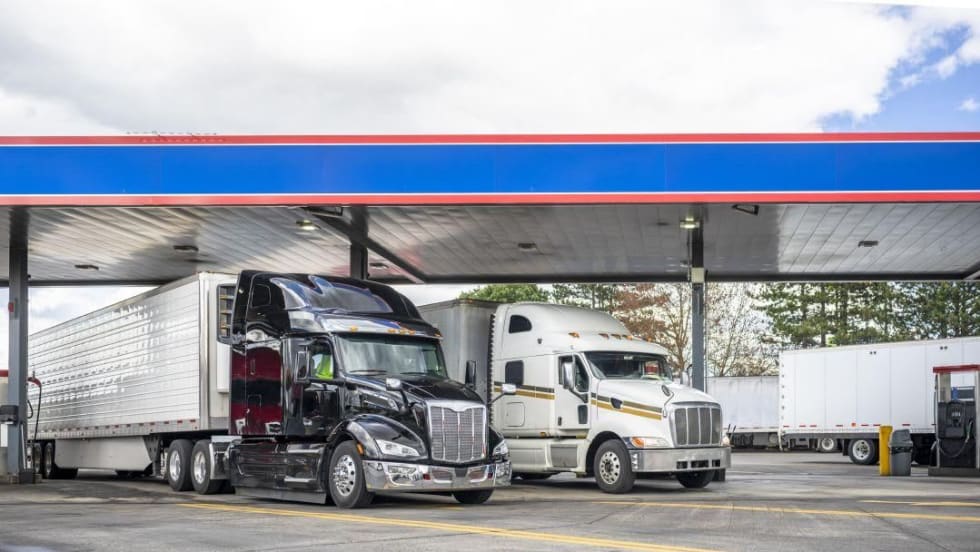
50 Ways Fleets Can Cut Fuel Costs Now — Without Buying New Trucks
Fuel savings don’t come from one big change. They come from dozens of small ones. Here’s how leading fleets are stacking gains across drivers, routing, maintenance, and more.
Read More →
Top Green Fleets 2026: How Fleets Are Reducing Emissions in the Real World
What works in sustainable trucking today? Heavy Duty Trucking's Top Green Fleets are finding practical ways to cut fuel use, reduce emissions, and keep freight moving.
Read More →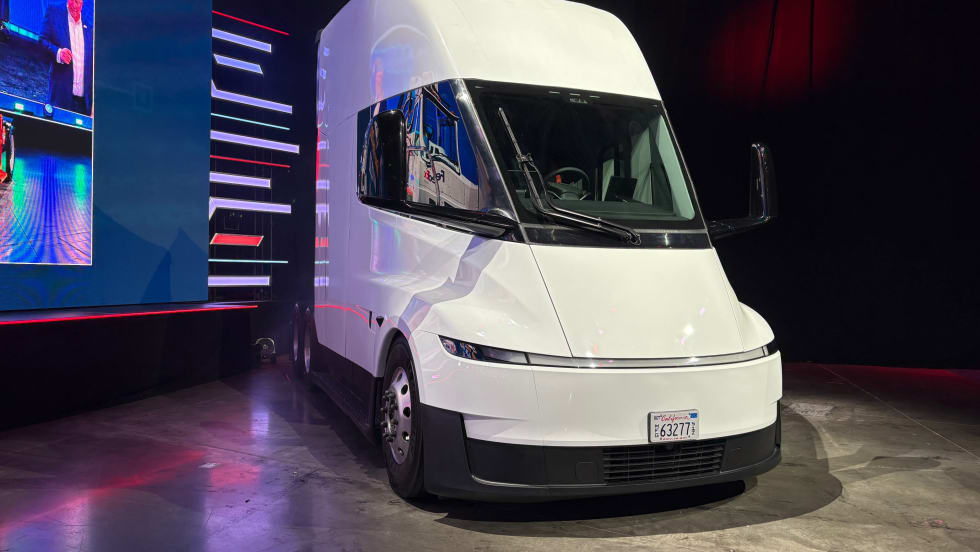
California Launching $1 Billion Electric Truck Rebate Program
CARB says the California Clean Fuel Reward program will begin offering point-of-sale rebates of up to $120,000 for electric commercial trucks starting June 26.
Read More →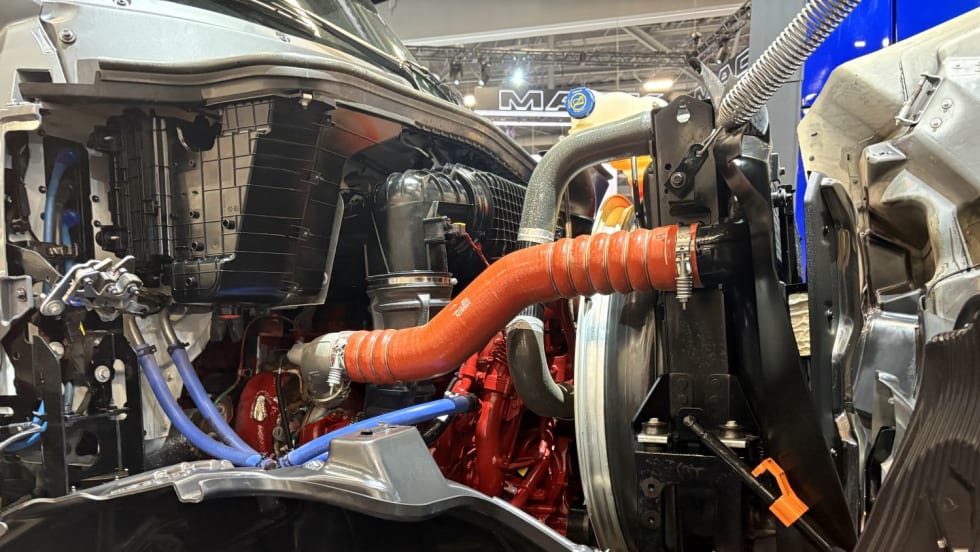
Mack Unveils EPA 2027-Compliant MP13 Engine With More Power, Better Fuel Economy
Along with unveiling its EPA 2027-compliant MP13 engine, Mack outlined powertrain changes across its Class 6-8 lineup, including new Cummins-based X10 engines.
Read More →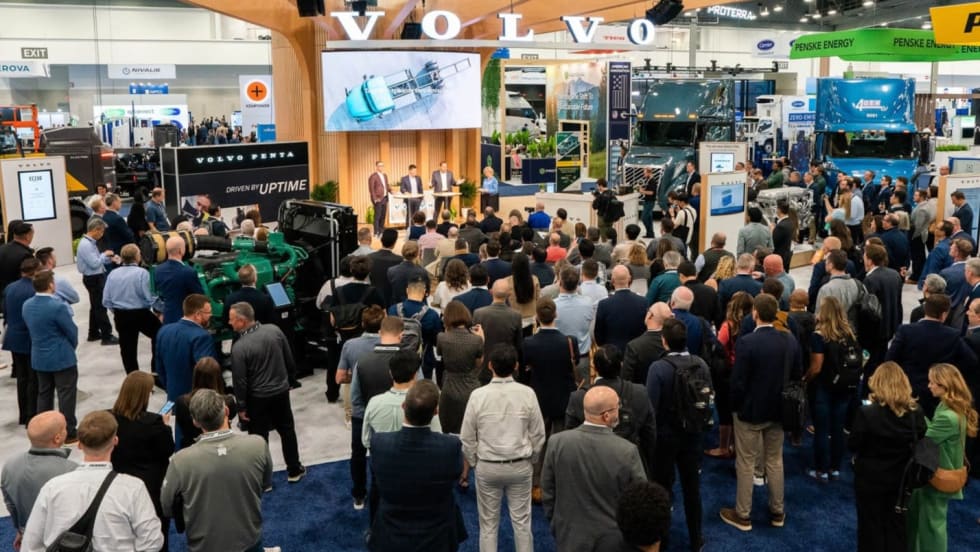
How Volvo’s New D13 Engine Meets EPA 2027 Emissions Without Sacrificing Power or Fuel Efficiency
Volvo says advances in combustion and aftertreatment helped its new EPA 2027 D13 engine avoid the fuel-economy penalties many once expected from tighter NOx emissions limits.
Read More →