




Study: Mandatory Alcohol Testing Cuts Risk of Alcohol Involvement in Fatal Crashes
A study by scientists at Columbia University found that mandatory alcohol testing programs for commercial truck drivers may have contributed to a significant reduction in alcohol involvement in fatal motor carrier crashes
A study by scientists at Columbia University found that mandatory alcohol testing programs for commercial truck drivers may have contributed to a significant reduction in alcohol involvement in fatal motor carrier crashes.
The study, "Effectiveness of mandatory alcohol testing programs in reducing alcohol involvement in fatal motor carrier crashes," was published in the American Journal of Epidemiology.
"Mandatory alcohol testing programs for motor carrier drivers were implemented in the United States in 1995 and have not been adequately evaluated," wrote J.E. Brady and colleagues.
Using data from the federal government's Fatality Analysis Reporting System during 1982-2006, they assessed the effectiveness of mandatory alcohol testing programs in reducing alcohol involvement in fatal truck crashes.
The study sample consisted of 69,295 motor carrier drivers and 83,436 non-motor-carrier drivers who were involved in 66,138 fatal multivehicle crashes. Overall, 2.7 percent of the motor carrier drivers and 19.4 percent of the non-motor-carrier drivers had positive blood alcohol concentrations.
With adjustment for driver age, sex, history of driving while intoxicated, and survival status, implementation of the mandatory alcohol testing programs was found to be associated with a 23 percent reduced risk of alcohol involvement in fatal crashes by truck drivers.
More Safety & Compliance
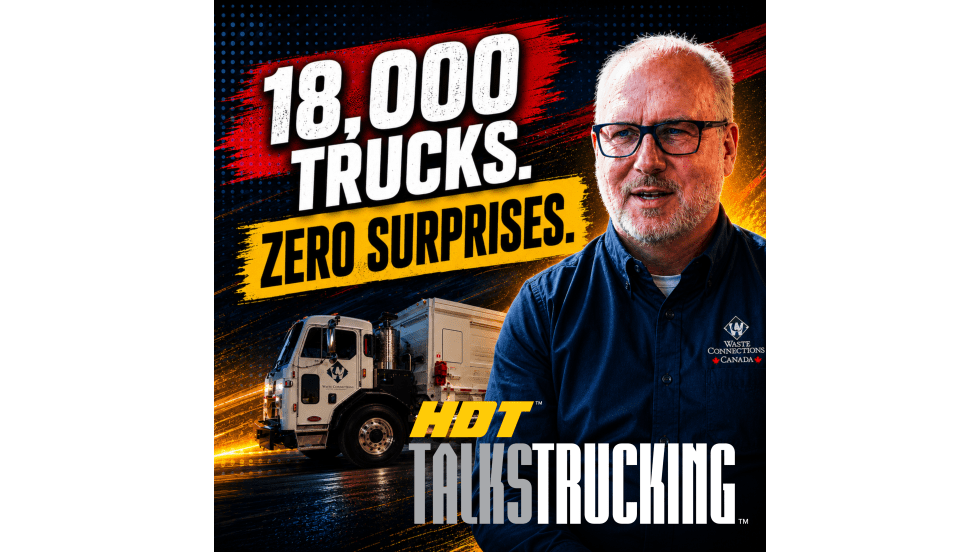
How Waste Connections is Using Data, Telematics, and AI
How do you manage and maintain more than 18,000 connected trucks? Data. Lots of it.
Read More →
Fleet Advantage: Top Logistics Fleets Outperform National Safety Benchmarks
Fleet Advantage's latest TRUST Safety Index found leading logistics fleets maintained significantly lower out-of-service rates and stronger safety scores than national averages, while highlighting persistent challenges related to tires, brakes, and unsafe driving behaviors.
Read More →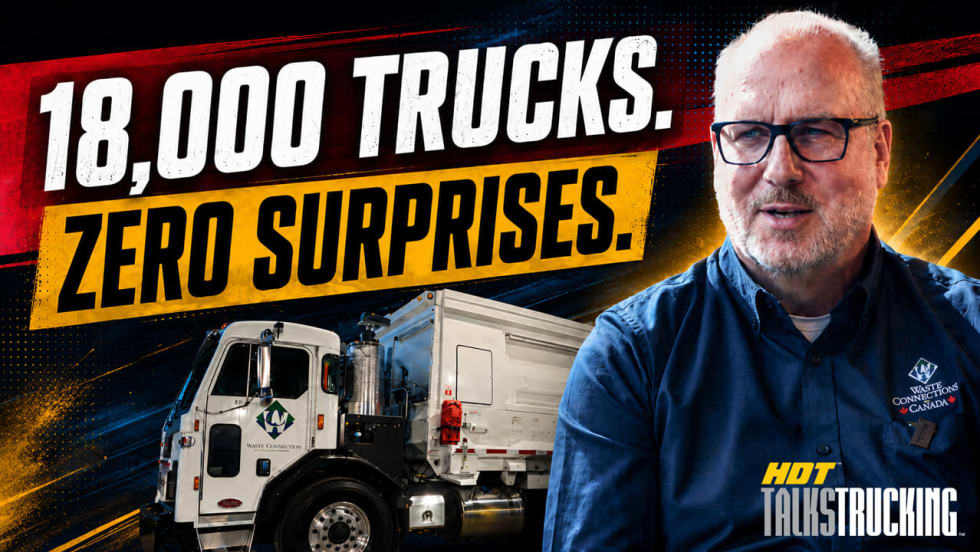
Why Fleet Data Matters More Than Ever at Waste Connections [Watch]
Waste Connections' Chuck Palmer explains how telematics, predictive maintenance, safety analytics, and AI help keep vehicles on the road and drivers safe in this episode of HDT Talks Trucking.
Read More →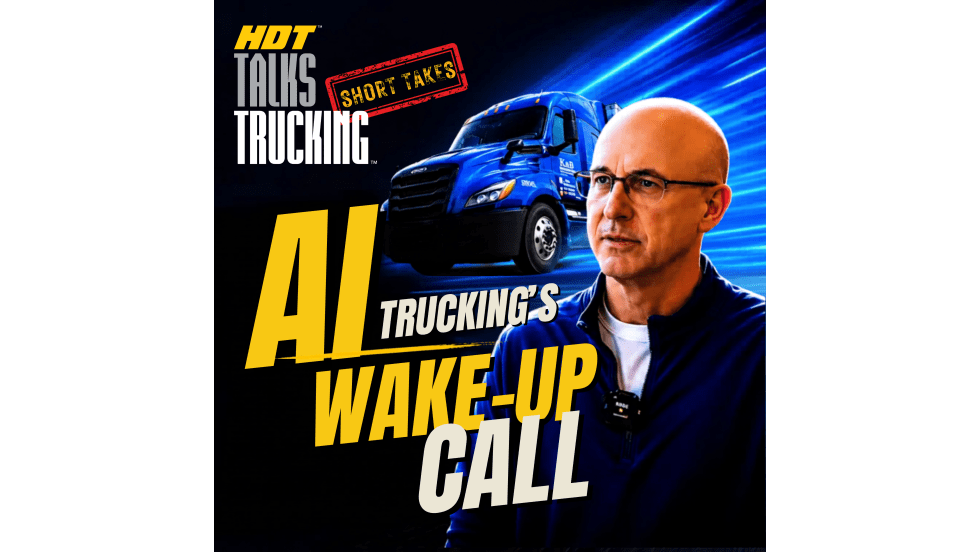
Short Takes: How K&B is Using AI
Fleets need to "get on board the train" with AI, says Lance Evans of K&B Transportation in this HDT Talks Trucking Short Takes episode.
Read More →
Short Takes: Inside K&B’s Truck Safety Tech
Listen to learn how K&B Transportation uses cellphone-blocking technology, speed management systems, weather geofencing, bridge avoidance tools, and more to improve driver safety.
Read More →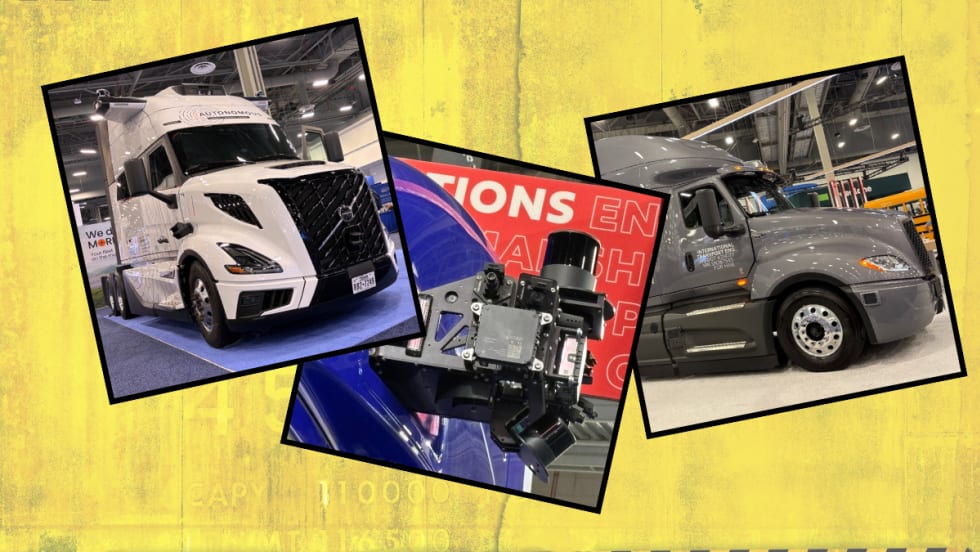
The Biggest Gap in Driverless Trucking Isn’t Tech. It’s Safety Validation
Nauto’s Stefan Heck says autonomous trucks are advancing quickly but proving they’re safe enough for large-scale deployment may be the industry’s hardest challenge.
Read More →
Truck Crash Rates Are Down. So Why Do Insurance Costs Keep Rising?
ATRI’s latest research points to litigation, social inflation, and soaring claims costs as key drivers behind record-high liability premiums for trucking fleets. But there are things motor carriers can do.
Read More →
FMCSA Removes More Than a Dozen ELDs from Registered List
The FMCSA continues its efforts to fight electronic logging devices that don't meet federal requirements, removing more than a dozen from the registered ELD list in May.
Read More →
How the Supreme Court Broker Liability Ruling Could Reshape Trucking’s Safety Landscape
The Supreme Court’s May 11 broker-liability ruling may not radically rewrite transportation law overnight. But industry experts say it will intensify pressure on brokers, carriers, and shippers to prove they are prioritizing safety.
Read More →
Recall of Fontaine Fusion Flatbeds Warns Owners Not to Use the Trailers
Some Fontaine Fusion flatbed trailer manufactured between February 2025, and March 2026 could have mainbeams weakened by hydrogen embrittlement because of a problem in the galvanizing process.
Read More →