




SuperTruck Program Aims to Improve Economy by 50 Percent
The Department of Energy is backing development of clean-burning, more fuel-efficient vehicles with cold cash, including $115 million for the Super Truck program. Announced earlier this year, the program is awarding grants to three teams, headed by Daimler Trucks North America, Navistar International and Cummins

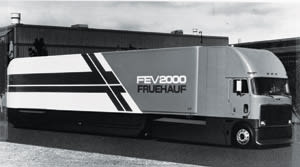
In 1981, the radical aerodynamics of Fruehauf's FEV (fuel-efficient van) 2000 got 7.4 mpg -- 72 percent better than a baseline tractor-trailer.
The Department of Energy is backing development of clean-burning, more fuel-efficient vehicles with cold cash, including $115 million for the Super Truck program. Announced earlier this year, the program is awarding grants to three teams, headed by Daimler Trucks North America, Navistar International and Cummins.
Each will invest matching sums to develop high-tech demonstration vehicles that will attempt to lower emissions of greenhouse gases and improve fuel economy by half again over today's levels.
The funding is part of a larger effort to spend $187 million in nine projects to increase fuel efficiency in heavy-duty trucks and passenger vehicles.
The manufacturers say they will explore improved aerodynamics, advanced combustion techniques and waste heat recovery, powertrain hybridization, reduced engine idling and smaller engine size, among other things, to increase fuel economy. Each team will build vehicle prototypes that can efficiently move large amounts of freight. They will use an "integrated" approach that pairs tractors with trailers, particularly by designing complementary streamlining.
DTNA, which builds Freightliner and Western Star trucks, will receive about $40 million. It will work with sister company Detroit Diesel, "to undertake a broad research program toward the objectives of improving freight efficiency 50 percent over the current state-of-the-art and reaching 50 percent brake thermal efficiency," the company states in an abstract to a project summary with which it successfully applied for its grant.
Thermal efficiency of diesels is now in the mid-40-percent range, meaning more than half the energy in diesel fuel is now consumed by internal friction and wasted as heat. All engine systems, including turbocharging, cooling and accessory drives, will be improved by DDC's research, and use of a downsized engine is among the routes to explore.
Work will be done by about 40 employees in Portland, Ore., and Detroit, Mich. Partners will include Oak Ridge National Laboratory, Delphi, Oregon State University, BAE Systems, ArvinMeritor and Schneider National.
Navistar will get $37.3 million to develop and demonstrate fuel-efficient technologies, including aerodynamics, combustion efficiency, waste heat recovery, hybridization, idle reduction and reduced rolling resistance tires. It will in effect expand work already done on the company's engines and road tractors, the firm said.
Cummins will receive $54 million to work on both the Super Truck and a light-duty project. Partnering with Peterbilt and Eaton, Cummins will use $39 million to develop a clean diesel engine, an advanced waste heat recovery system, an aerodynamic Peterbilt tractor using an advanced automated mechanical transmission and a fuel cell auxiliary power unit to reduce engine idling. An aerodynamic van trailer will complement the tractor.
The DOE initiative echoes development work done by manufacturers more than a quarter century ago. Shortly after the Arab oil embargo of 1979, Navistar, Peterbilt and now-defunct Fruehauf Trailer experimented with integrated tractor-trailer combinations that achieved high-mpg figures, in two cases with vehicles that were practical enough for everyday use.
Freuhauf's futuristic FEV2000, designed by Airflow Sciences Corp., was made up of an International cabover tractor and a skirted, boat-tailed van trailer with virtually no gap between them. It achieved 7.4 mpg compared to 4.3 mpg for a baseline vehicle typical of the early '80s.
Peterbilt showed that an aerodynamic van with a belly skirts and a "truncated boat tail" alone improved the efficiency of a modified Model 372 cabover by 1.5 mpg.
Navistar advertised that an aero-improved daycab tractor with a Cummins L10 engine had delivered 8.3 mpg in a highly controlled cross-country run.
Few of the demo rigs' designs were embraced by truckers, because more stable oil supplies and cheaper fuel prices encouraged them to continue with status quo equipment. Recent world economic and geopolitical changes and increasingly expensive fuel might make lessons from Super Truck, born of an activist administration and Congress in Washington, more enduring.
From the June 2010 issue of Heavy Duty Trucking.
More Fuel Smarts
Lessons Learned About Alternative Fuels: Start Small, Stay Flexible
Practical advice on adopting alternative fuels and ZEVs from HDT's 2026 Top Green Fleets, from renewable diesel and natural gas to electric trucks.
Read More →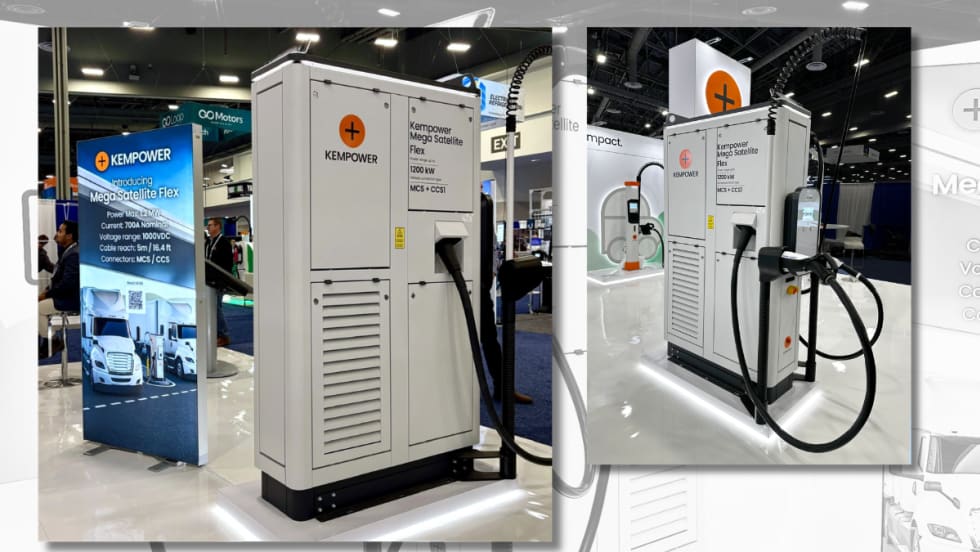
Kempower Adds Flex EV Charger to Help Support Transition to Megawatt Charging
The Kempower Mega Satellite Flex has both a CCS and MCS connector, allowing operators to serve both types of heavy-duty vehicles.
Read More →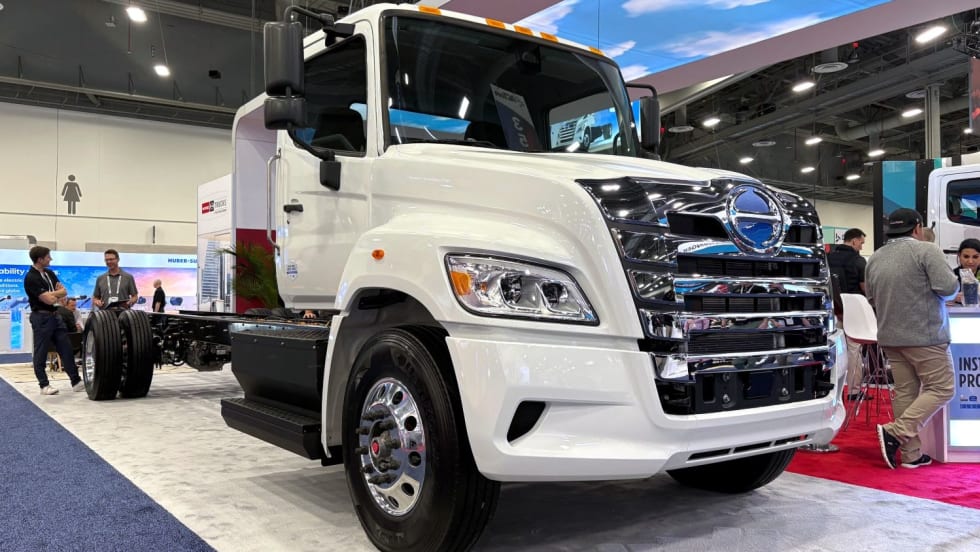
Hino Adds Electric Class 6/7 Truck
Hino says the Le Series is an important step in the company's efforts to reduce environmental impact and support its customers’ sustainability goals.
Read More →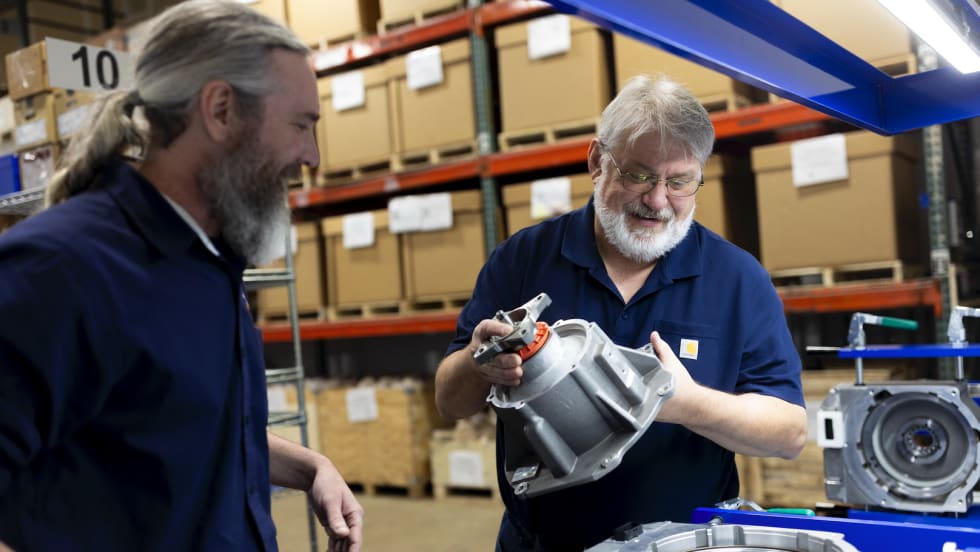
Can Multi-Speed EV Transmissions Solve Heavy Trucking’s Biggest Electric-Vehicle Problems?
A startup called Sigma Powertrain believes purpose-built multi-speed gearboxes can boost efficiency, reduce battery size and improve gradeability for heavy-duty battery-electric trucks.
Read More →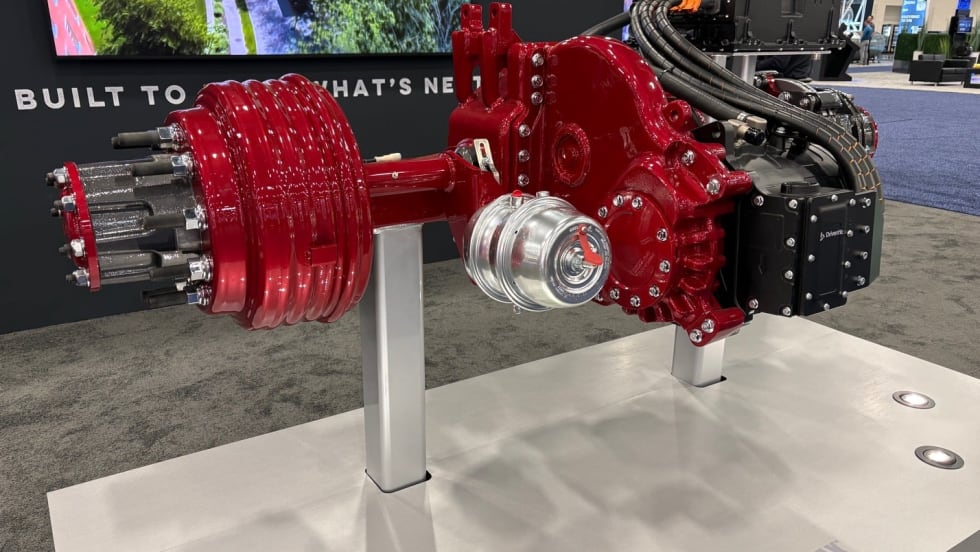
Hendrickson Debuts Electraax E-Axle for Medium-Duty Trucks
Developed with Driventic, Hendrickson's new integrated e-axle is designed to improve efficiency, reduce weight, and extend range in Class 6-7 EV applications.
Read More →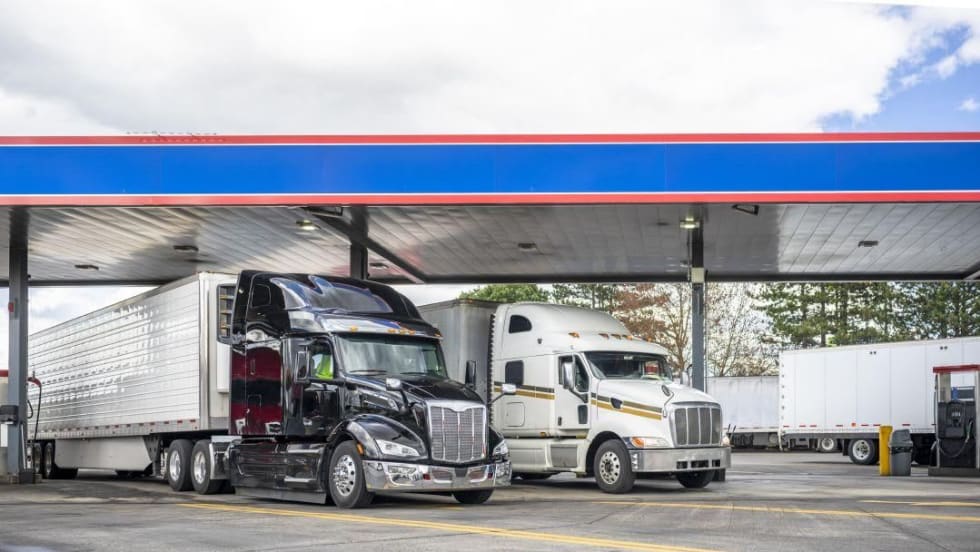
50 Ways Fleets Can Cut Fuel Costs Now — Without Buying New Trucks
Fuel savings don’t come from one big change. They come from dozens of small ones. Here’s how leading fleets are stacking gains across drivers, routing, maintenance, and more.
Read More →
Top Green Fleets 2026: How Fleets Are Reducing Emissions in the Real World
What works in sustainable trucking today? Heavy Duty Trucking's Top Green Fleets are finding practical ways to cut fuel use, reduce emissions, and keep freight moving.
Read More →
California Launching $1 Billion Electric Truck Rebate Program
CARB says the California Clean Fuel Reward program will begin offering point-of-sale rebates of up to $120,000 for electric commercial trucks starting June 26.
Read More →
Mack Unveils EPA 2027-Compliant MP13 Engine With More Power, Better Fuel Economy
Along with unveiling its EPA 2027-compliant MP13 engine, Mack outlined powertrain changes across its Class 6-8 lineup, including new Cummins-based X10 engines.
Read More →
How Volvo’s New D13 Engine Meets EPA 2027 Emissions Without Sacrificing Power or Fuel Efficiency
Volvo says advances in combustion and aftertreatment helped its new EPA 2027 D13 engine avoid the fuel-economy penalties many once expected from tighter NOx emissions limits.
Read More →