




Case Study: Walmart's Efficiency Goals
In 2005, Walmart set a goal of doubling the fuel efficiency of its truck fleet to 13 mpg by 2015, according to widely published reports. By 2008, Walmart got its mpg up to 7.1 from 5.9 in 2005

Since 2005, Walmart has managed to improve fleet efficiency by 60 percent.
In 2005, Walmart set a goal of doubling the fuel efficiency of its truck fleet to 13 mpg by 2015, according to widely published reports. By 2008, Walmart got its mpg up to 7.1 from 5.9 in 2005.
The fuel economy improvement was achieved with enhanced tractor aerodynamics, trailer skirts and spec'ing its trucks with equipment designed to save fuel, such as lighter tag axles, wide-based single tires and auxiliary power units, the company said in published reports. In 2008, Walmart added more than 1,100 aerodynamic trucks to its fleet, with plans to add 1,300 more in 2009.
When contacted for an update, Walmart officials told us the goal was to double fleet efficiency from 2005 through the end of 2010, rather than an mpg goal. The company's calculating this by dividing the number of miles traveled by the average fuel efficiency, measured in mpg. Then, the number of cases delivered during the same time period is divided by the amount of fuel used to deliver the cases.
So far, the company has achieved a 60 percent increase in fleet efficiency and continues to work toward that goal this year. Including all carriers, the company said 77 million more cases were delivered in 2009 than 2008, eliminating more than 100 million miles.
The company says it's been loading its trucks and cases more efficiently, improving routing and reducing the number of empty miles its trucks traveled. Fuel-saving technologies, such as improved engine calibration, have also helped.
The company is also making an effort to use trucks that run on alternative fuels. A full-propulsion ArvinMeritor hybrid is being tested in the Detroit area. The vehicle can operate on electric power below 48 mph.
Fifteen trucks operating out of the Phoenix area have been converted to run on reclaimed grease fuel, which is made from waste brown cooking grease collected at Walmart stores. Other trucks at the Phoenix center will use an up to 80/20 blend of biodiesel made of reclaimed yellow waste grease.
Walmart has five Peterbilt Model 386 heavy-duty hybrid trucks with diesel-electric hybrid power assist systems operating in Dallas, Houston, Atlanta, Baltimore and Apple Valley, Calif. These hybrid power assist systems were developed by Eaton and Paccar. Through a partnership with the Mojave Air Quality Management District, Walmart has four Peterbilt Model 386 trucks and one yard truck fueled by liquid natural gas.
"In order to meet our goal of doubling our fleet efficiency, we are taking an active role in the development of these technologies," says Chris Sultemeier, senior vice president of transportation. "We look forward to determining if these technologies will help reduce our environmental footprint, are viable for our business and provide a return on investment."
From the June 2010 issue of Heavy Duty Trucking.
More Fuel Smarts
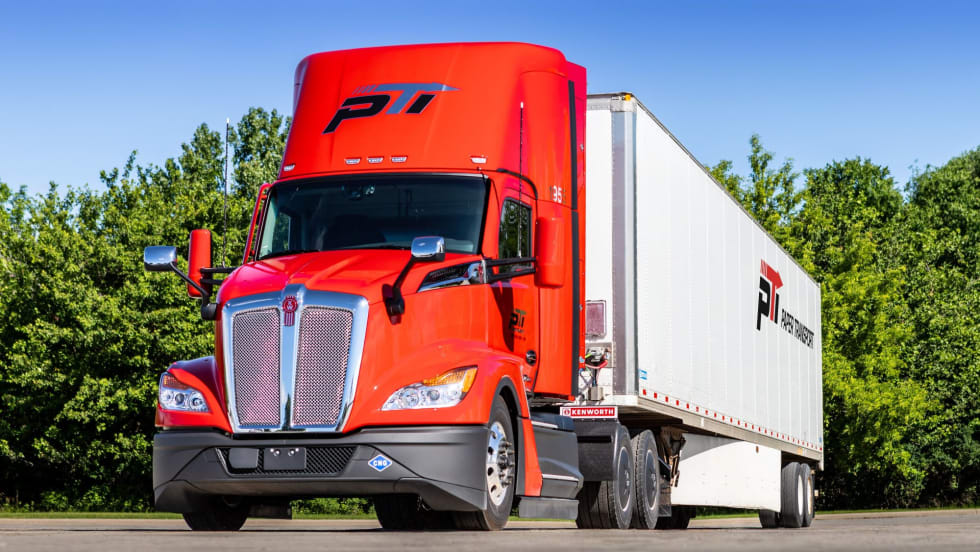
Lessons Learned About Alternative Fuels: Start Small, Stay Flexible
Practical advice on adopting alternative fuels and ZEVs from HDT's 2026 Top Green Fleets, from renewable diesel and natural gas to electric trucks.
Read More →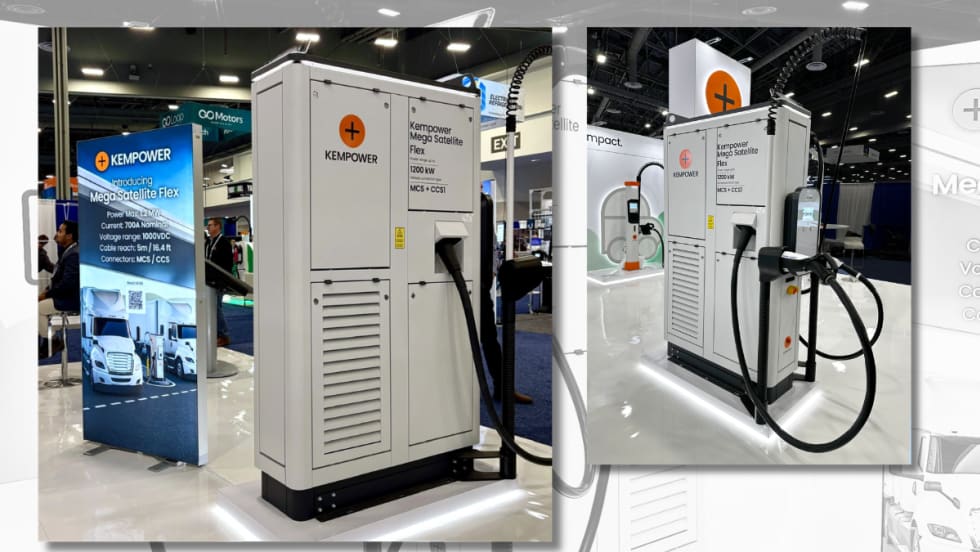
Kempower Adds Flex EV Charger to Help Support Transition to Megawatt Charging
The Kempower Mega Satellite Flex has both a CCS and MCS connector, allowing operators to serve both types of heavy-duty vehicles.
Read More →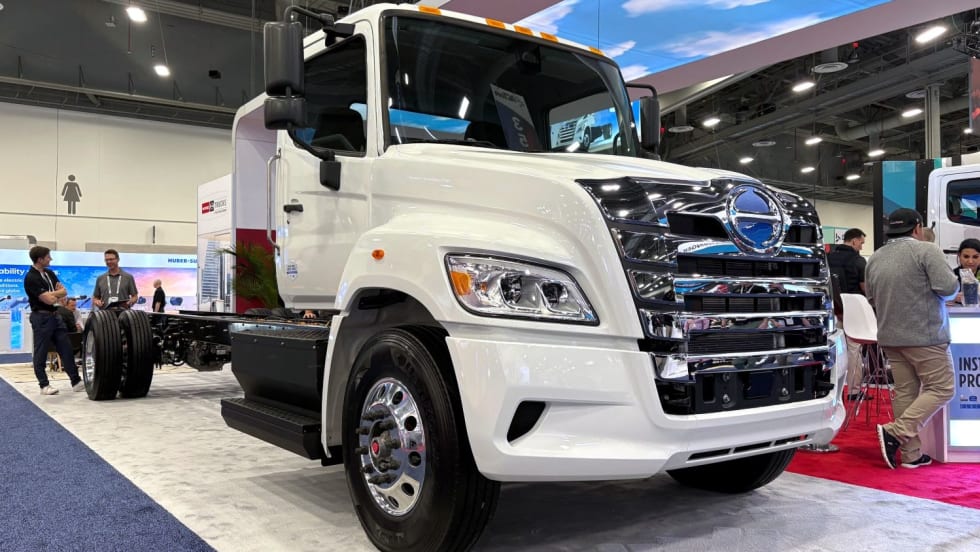
Hino Adds Electric Class 6/7 Truck
Hino says the Le Series is an important step in the company's efforts to reduce environmental impact and support its customers’ sustainability goals.
Read More →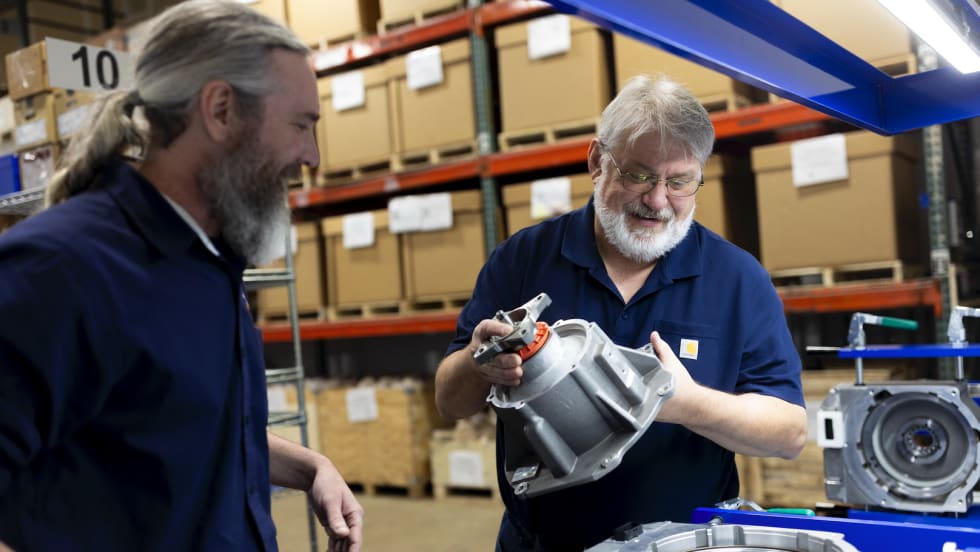
Can Multi-Speed EV Transmissions Solve Heavy Trucking’s Biggest Electric-Vehicle Problems?
A startup called Sigma Powertrain believes purpose-built multi-speed gearboxes can boost efficiency, reduce battery size and improve gradeability for heavy-duty battery-electric trucks.
Read More →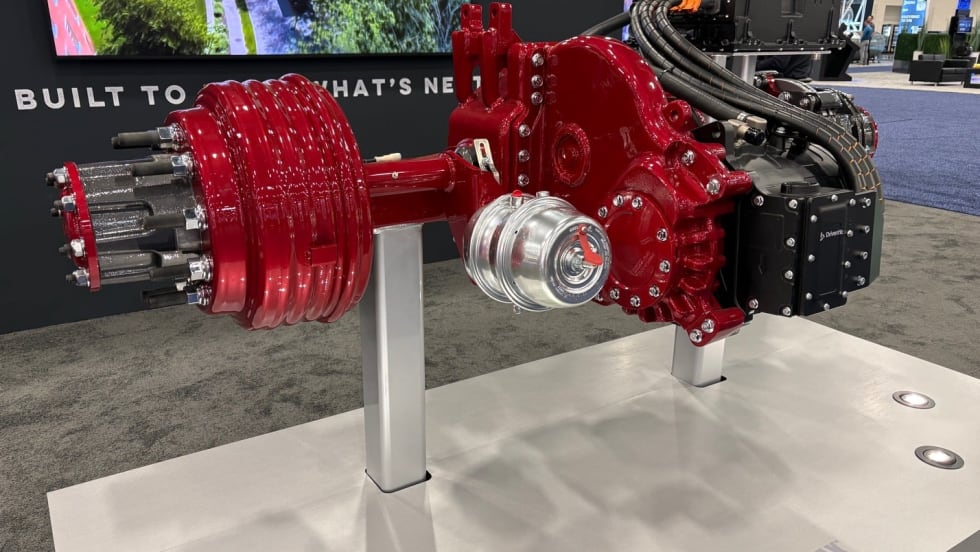
Hendrickson Debuts Electraax E-Axle for Medium-Duty Trucks
Developed with Driventic, Hendrickson's new integrated e-axle is designed to improve efficiency, reduce weight, and extend range in Class 6-7 EV applications.
Read More →
50 Ways Fleets Can Cut Fuel Costs Now — Without Buying New Trucks
Fuel savings don’t come from one big change. They come from dozens of small ones. Here’s how leading fleets are stacking gains across drivers, routing, maintenance, and more.
Read More →
Top Green Fleets 2026: How Fleets Are Reducing Emissions in the Real World
What works in sustainable trucking today? Heavy Duty Trucking's Top Green Fleets are finding practical ways to cut fuel use, reduce emissions, and keep freight moving.
Read More →
California Launching $1 Billion Electric Truck Rebate Program
CARB says the California Clean Fuel Reward program will begin offering point-of-sale rebates of up to $120,000 for electric commercial trucks starting June 26.
Read More →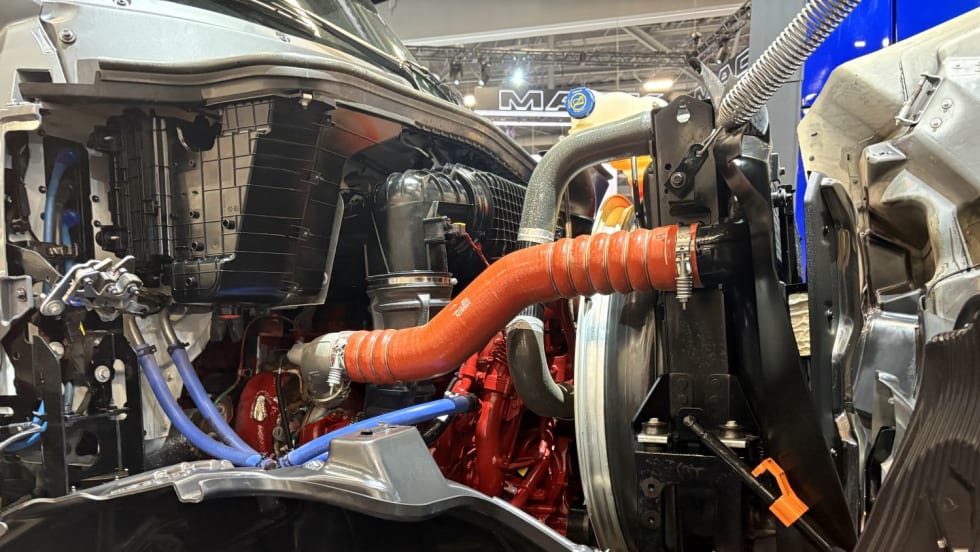
Mack Unveils EPA 2027-Compliant MP13 Engine With More Power, Better Fuel Economy
Along with unveiling its EPA 2027-compliant MP13 engine, Mack outlined powertrain changes across its Class 6-8 lineup, including new Cummins-based X10 engines.
Read More →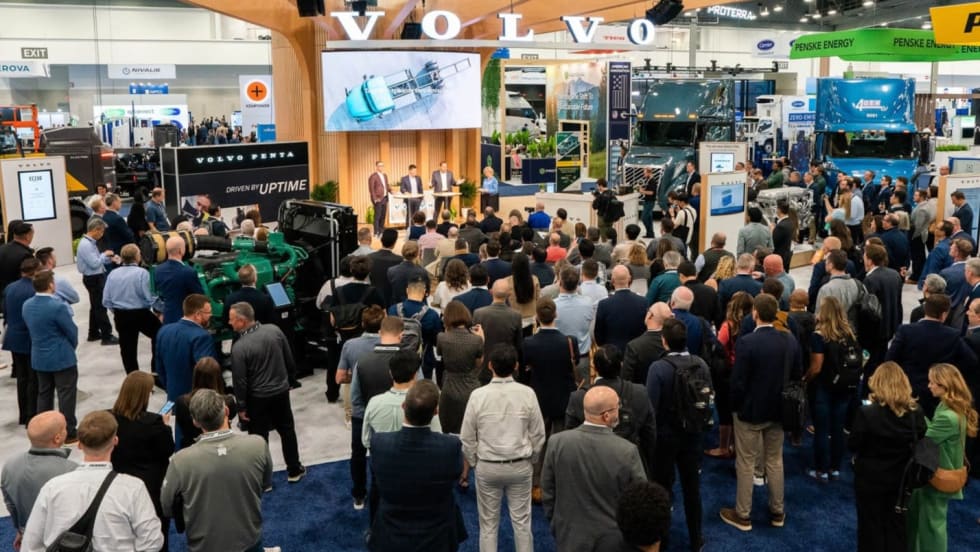
How Volvo’s New D13 Engine Meets EPA 2027 Emissions Without Sacrificing Power or Fuel Efficiency
Volvo says advances in combustion and aftertreatment helped its new EPA 2027 D13 engine avoid the fuel-economy penalties many once expected from tighter NOx emissions limits.
Read More →