




Turn Rubber into Gold: Tire Management
Here's a quick quiz: What's your tire cost per mile? How many miles per 32nd do you get out of a steer or drive tire? How many miles do you expect from a steer tire

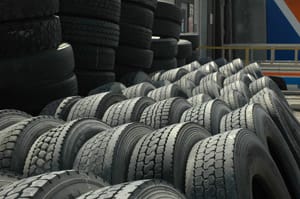
Carrying excessive inventory makes little sense. If you can accurately predict replacement cycles, your money stays where it belongs.
Here's a quick quiz: What's your tire cost per mile? How many miles per 32nd do you get out of a steer or drive tire? How many miles do you expect from a steer tire?
Hmmm, OK, let's try these: How many different brands of tire are running in your fleet? How many retreads do you expect from a casing? Last chance: What is the target tire pressure in your steer, drive, and trailer tires? Bonus question: What percentage of your fleet runs at the target pressure?
There's no excuse for not knowing this stuff. Tire costs run third to labor and fuel, and make up a significant portion of your operating budget.
Can you afford to make buying and maintenance decisions based on gut feelings, intuition, or by watching your competitors?
Tire management by the seat of your pants is no more effective than whacking a tire with a stick and calling it a pressure check.
Michelin's Doug Jones says he has seen the gamut across his customer base. As the company's customer engineering support manager, he works hands-on with a huge variety of fleets and deals with widely varying levels of expertise.
"Whether it's paper-based or high-tech, every fleet should have some kind of program," he says. "But there are still many that don't track tires at all."
How you collect and manage all that information depends on the complexity of your operation and your level of skill and comfort with software systems, spreadsheets, data entry, and so on. Options range from manual measurements and simple pencil-and-paper data entry with manual extrapolation, to fully automated data collection with menu upon menu of data display options and reports.
In the end, you'll get out of it what you put into it, but any investment will provide returns far in excess of the effort.
What's in it for you?
Establishing a tire cost per mile is the most obvious benefit. Depending on the sophistication of your tracking method, you can break that down further to cost per mile by brand, model, vehicle, wheel position, etc. You'd soon see, for example, that tire A outperforms tire B at a drive position. Knowing that, you can take steps to find out why. You'll also reveal anomalies that could be maintenance- or application-related, or perhaps warrantable.
Tracking tire performance can take your maintenance perspective from reactive to predictive. If you know your steer tires run 150,000 miles, you can plan your next tire buy, and budget for the expense. Or you can take steps to find out why some of your steers run only 100,000 miles, and intervene before the tire is ruined and casing value is lost.
Knowing which tires are most cost-effective on a fleet's trucks can assist future tire purchase decisions, says Goodyear's commercial tire marketing communications manager, Tim Miller.
"Knowing the wear rates of tires in the fleet and forecasting new vehicle purchase cycles allows you to anticipate 'peaks and valleys' in the replacement tire purchase cycle," he says. "This could help with budget planning in the months and years ahead."
Data analysis can help you optimize your tire spec, too.
Various vehicle types - such as short- and long-wheelbase tractors or different engines - also must be considered in tire analysis. For example, short-wheelbase tractors making local deliveries and long-wheelbase tractors in long-haul service might require different steer axle tires.
"How would you know this, if you don't have data to back up your theory?" Miller asks. "Tracking software allows you to evaluate tire performance of different sets of vehicles in order to help you make intelligent tire choices based on facts, not gut feelings."
Data acquisition
There is nothing wrong with keeping paper records if you manage only a handful of vehicles, Miller says. "But as the fleet size increases, keeping records the old-fashioned way becomes more difficult - and labor-intensive."
A good place to start your tire management program would be the Technology and Maintenance Council's Recommended Practice 208. It's designed to track and analyze tire durability and operating costs. RP 208 can be purchased by calling TMC at (703) 838-1763, or by e-mail at tmc@trucking.org. Be sure to mention RP 208 in the subject line.
A number of management and tracking software programs are available. To get the most from the software, you'll need to be fairly proficient in spreadsheet analysis and data extrapolation, but they will get you where you want to be.
Goodyear offers two software products that can aid in the quest for better information - TVTrack and TireValuCalc, both available at Goodyear dealers or by clicking on "Fleet Management Tools" in the "Shortcuts" section of www.goodyear.com/truck.
If you're worried about the labor component needed to do the data gathering and data entry associated with a tracking program, keep in mind that tire-tracking software doesn't have to track every tire on every vehicle in a fleet.
"It is intended to be a tool to aid in the tire decision-making process by providing a way to sample performance from a selected group of vehicles within the fleet," says Miller.
A step further
But if you want data on every tire on every truck in the fleet, that's available, too. At least two providers offer systems that will populate your database automatically, produce reports, and help you analyze the data - at the click of a mouse.
Tire Stamp's TireVigil and Stemco's BAT RF systems are comprehensive tire pressure monitoring and alerting packages that monitor tire condition onboard the vehicle by individual tire, wheel-end and vehicle. Then they transmit data to a Web-based server, where it's broken down into reports of the user's choosing. They report mileage as well, so there's a comprehensive data set available.
"We take data right off the vehicle - pressure temperature, miles traveled, etc. - over a cellular network and upload it to the Tire Stamp servers, where it can be analyzed and compared to thresholds the fleet has set for early warning alerts," says Tire Stamp's Peggy Fisher. "At the reporting stage, you can compare tire brands, makes and models, and monitor miles and compare life expectancy. Or layered over vehicle fuel economy data, you can get fuel efficiency numbers too."
BAT RF's system uses RF (radio frequency) ID tags to transmit pressure and temperature data and more to a reader, where it's uploaded to servers. Both platforms require a tire pressure monitoring system and data transfer technology.
Many overall maintenance management programs also include a tire tracking element, including Dossier from Arsenault & Associates and TMT Fleet Maintenance Software, part of TMW Systems.
If manual data entry isn't in your job description, or sophisticated data management systems are more than you need, Michelin's Jones suggests outsourcing might be an option.
"Many fleets outsource their tire management program or enlist the service of tire dealers or manufacturers," he says. "If a fleet does not have the time or resources to set up and run a maintenance program, there are many reliable outlets that can help."
"Tires should be viewed as a system," Miller explains. "It's tread and compounding, the casing, maintenance practices, and tracking to determine what works best. When your job is to stay profitable through low cost-per-mile and tires are a [significant] operating cost, it's imperative to track your numbers. It's the only way to a solid bottom line."
From the October 2009 issue of Heavy Duty Trucking.
More Equipment
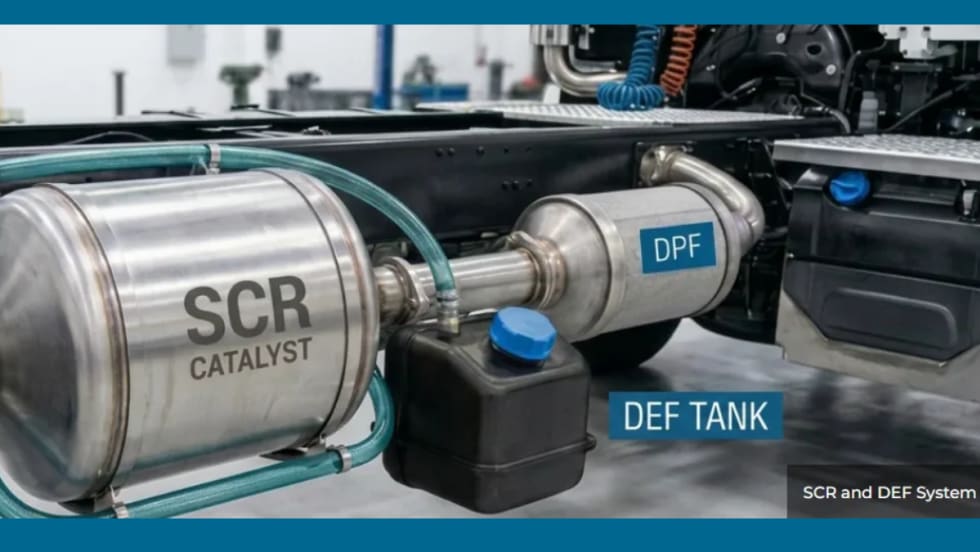
Engine Technology Forum Launches SCR, DEF Resource Center Amid Emissions Debate
The Engine Technology Forum’s new online hub aims to provide fleets, policymakers, and equipment owners with fact-based information about selective catalytic reduction technology, diesel exhaust fluid and emissions compliance.
Read More →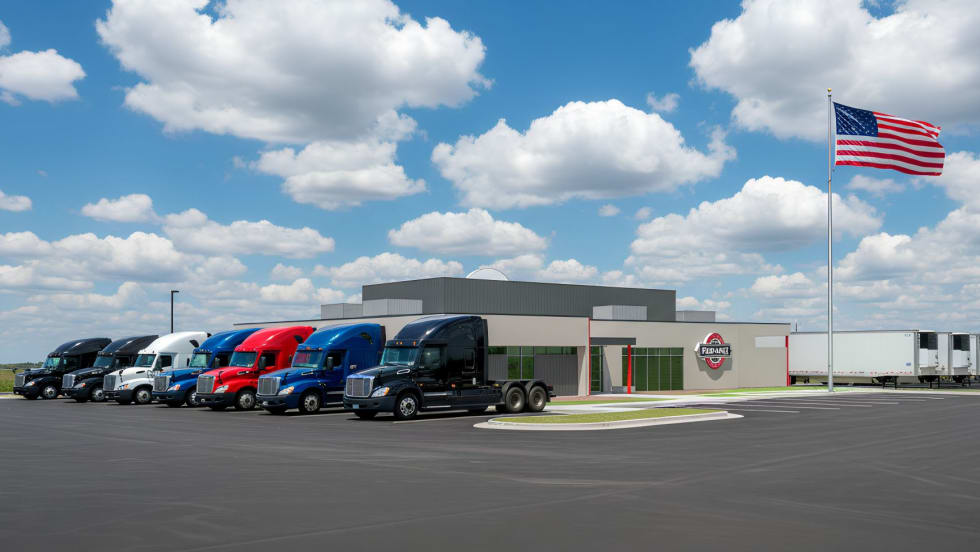
Prime Inc. to Open $7.9M Flagship Used-Truck Dealership
A new driver-focused facility to sell Prime Inc's used trucks and trailers will be the first purpose-built location in the company's history.
Read More →
Lessons Learned About Alternative Fuels: Start Small, Stay Flexible
Practical advice on adopting alternative fuels and ZEVs from HDT's 2026 Top Green Fleets, from renewable diesel and natural gas to electric trucks.
Read More →
Kenworth Names Peter Ahrens General Manager
Leadership changes at Kenworth take effect July 1 as the OEM promotes two longtime Paccar executives to key management roles.
Read More →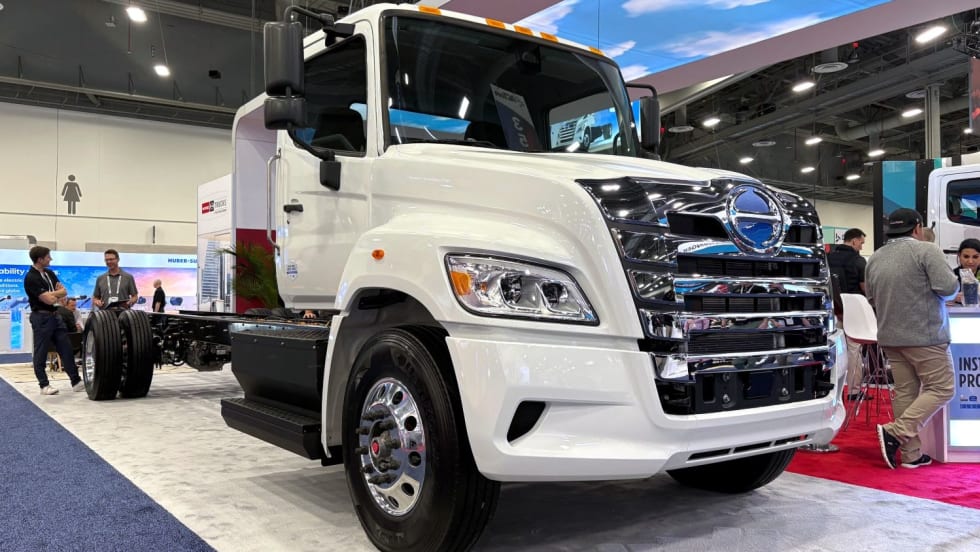
Hino Adds Electric Class 6/7 Truck
Hino says the Le Series is an important step in the company's efforts to reduce environmental impact and support its customers’ sustainability goals.
Read More →
ACT Expo 2026: Highlights in Photos
The 2026 Advanced Clean Transportation Expo featured a broad range of commercial vehicle technologies, from EVs to autonomous trucks to the latest diesel and alternative-fuel engines.
Read More →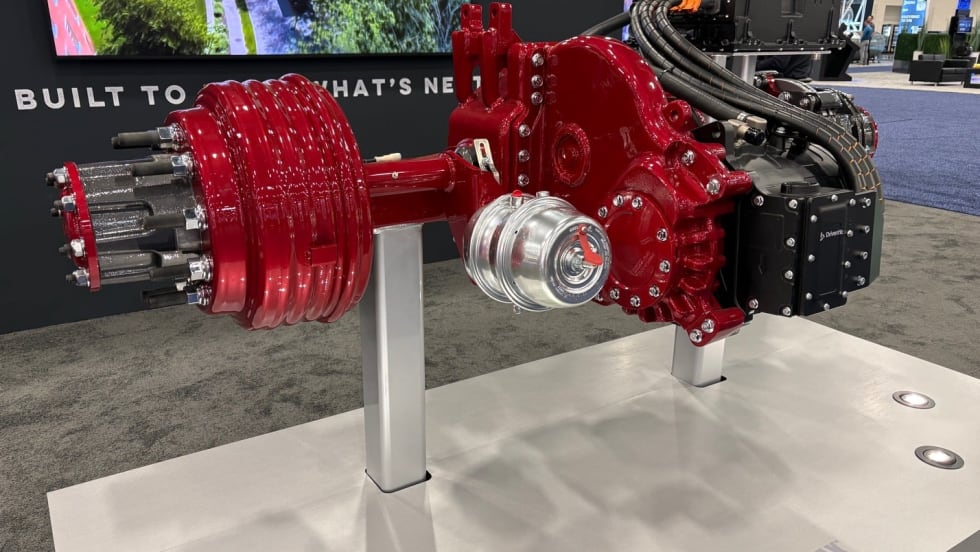
Hendrickson Debuts Electraax E-Axle for Medium-Duty Trucks
Developed with Driventic, Hendrickson's new integrated e-axle is designed to improve efficiency, reduce weight, and extend range in Class 6-7 EV applications.
Read More →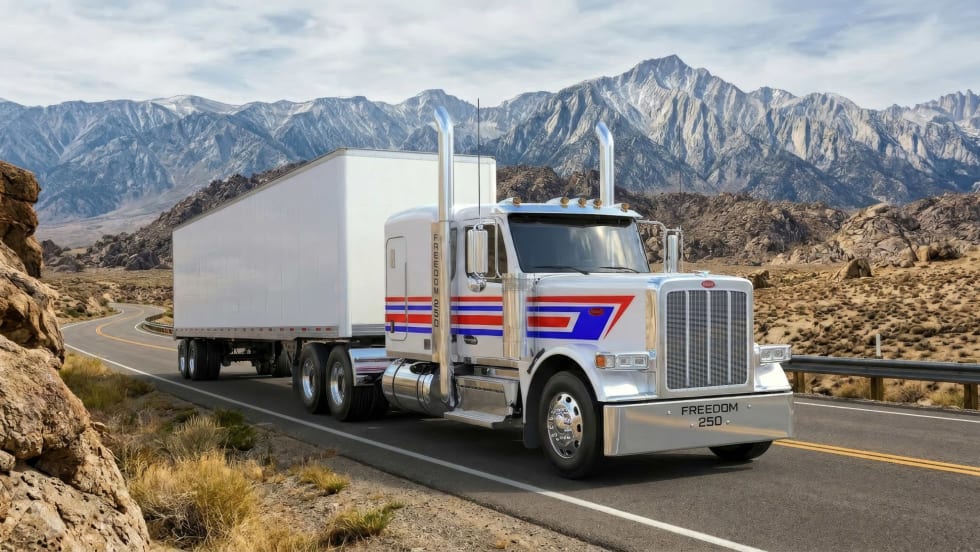
Peterbilt Unveils Freedom 250 Special Edition Model 589
Peterbilt’s just-announced limited-run patriotic Model 579 tractor celebrates America’s 250th birthday with custom styling and premium features.
Read More →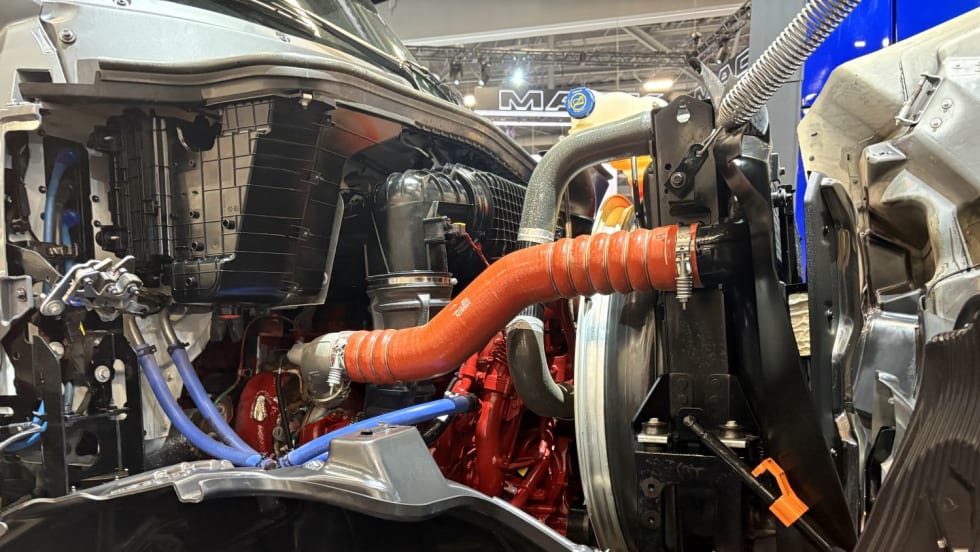
Mack Unveils EPA 2027-Compliant MP13 Engine With More Power, Better Fuel Economy
Along with unveiling its EPA 2027-compliant MP13 engine, Mack outlined powertrain changes across its Class 6-8 lineup, including new Cummins-based X10 engines.
Read More →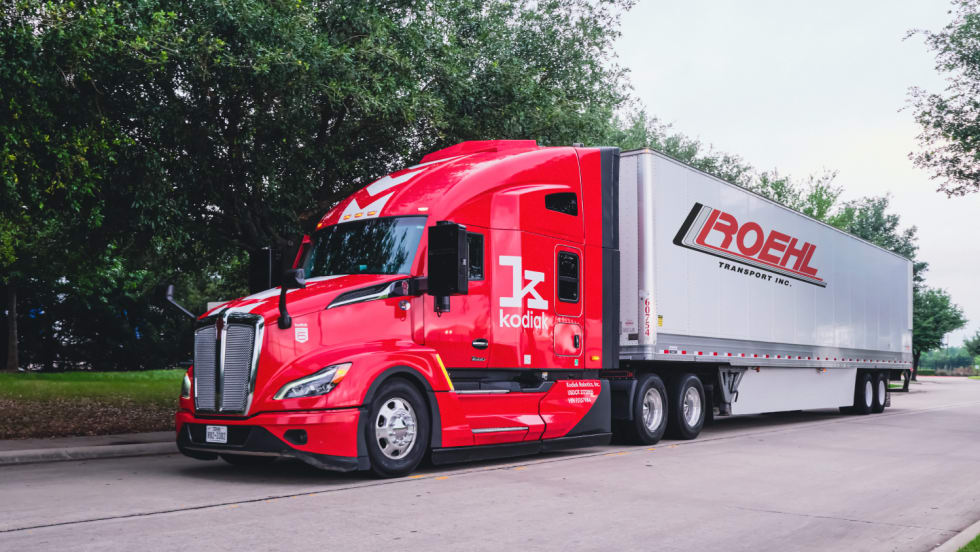
Kodiak and Roehl Transport Launch Autonomous Route Between Dallas and Houston
Kodiak AI and Roehl Transport have begun autonomous freight operations on a regular Dallas-Houston route, marking another step toward Kodiak’s planned driverless launch by the end of 2026.
Read More →