




Much Work Remains to Get to Final Version of GHG Phase 2 Proposal
The old adage “the devil is in the details” could have been invented for the new “phase 2” greenhouse gas / fuel efficiency regulations proposed by the EPA and the NHTSA.

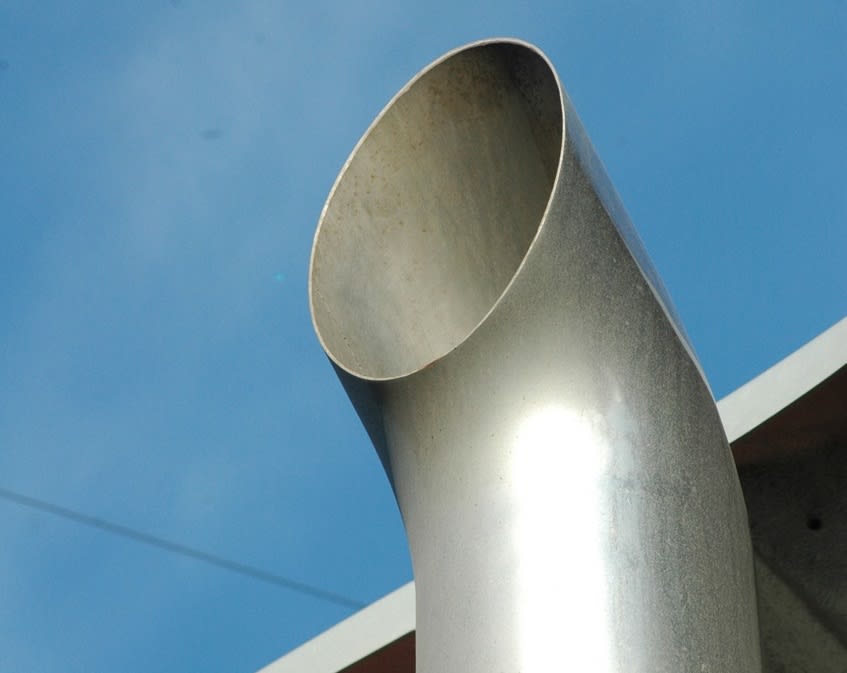
Photo: Jim Park
The old adage “the devil is in the details” could have been invented for the new “phase 2” greenhouse gas / fuel efficiency regulations proposed by the Environmental Protection Agency and the National Highway Traffic Safety Administration.
When the two agencies rolled out the proposal in June, it was largely praised, at least in concept, with some cautionary comments about the separate engine standard, pushing technologies that might not work for all segments of the industry, and allowing truck and engine makers enough time to meet the standards.
Once the truck and engine OEs had a chance to thoroughly dig into the proposal, questions and concerns began to be raised.
At the FTR Conference in Indianapolis last month, a Daimler Trucks North America regulatory expert told attendees the standards are likely to be much more difficult to meet than originally believed.
EPA and NHTSA held “public listening sessions” in Chicago, Long Beach and Dallas during which top EPA and NHTSA officials heard comments from government and environmental agencies, manufacturers, fleets and other stakeholders about the proposed rules and posed clarifying questions as well.
The comment period on the proposal closed Oct. 1, after a two-week extension.
All six North American truck and engine makers filed comments on the proposed rule: Caterpillar, Cummins, Daimler, Navistar, Paccar, and the Volvo Group. All except Cummins also filed a joint comment submission that outlines the concerns held by the group as a whole, many of which were also included in their individual submissions.
The 10-page joint submission outlines seven basic principles the group says must be addressed before the regulation can be finalized:
• Regulation must appropriately reflect real-world reductions;
• There must be a single, national GHG regulation adopted by EPA, NHTSA and CARB;
• Expected technologies must be appropriately demonstrated;
• Expected technology penetration rates must align with market needs and legal restrictions;
• Regulation must take into account total cost of ownership;
• Protocols must be clearly defined, and accommodate production and test variability; and
• Regulation must recognize the trade-off of NOx and CO2 reduction targets.
Individually, each OE expressed conceptual support of the rule and pledged to work closely with EPA and NHTSA to bring it to fruition. They also outlined areas they believe are flawed, not feasible, or plain impossible without significant changes.
At the American Trucking Associations annual Management Conference & Exhibition last week, Daimler Trucks North America addressed the issue in a meeting with reporters.
President and CEO Martin Daum proclaimed, “I’m really confident we can reach it, but I don’t know how,” pointing out that DTNA is budgeting a record $653 million for research and development next year.
Sean Waters, DTNA’s director of compliance and regulatory affairs, said he believes the truck and engine makers will, in the end, be able to get the regulation changed to be more reflective of the real world.
Typical EPA proposals, he told HDT, tend to be close to what you’re going to see in the final rule. This one, he believes, is more of a true proposal that will see some significant changes before it is made final.
Although “there has been a campaign of sorts, something like 150,000 comments filed by environmental groups,” he’s not particularly worried about it. Most, he said, are form-letter type comments, typically asking for the deadline to be moved up to 2024 rather than 2027, not the type of detailed data the agencies were looking for — and that the truck and engine makers provided.
“We put in our comments what we think is possible,” Waters said. “We don’t think moving to 2024 is possible, we need time to invent technology. The prime recommendation of EPA engineers was 24% by 2027, so I’m optimistic that they will listen to their engineers and the comments from the truck and engine manufacturers.”
More Fuel Smarts
How GP Transco Builds Fuel Savings a Fraction at a Time
Aerodynamic specs, solar panels, and driver incentives help GP Transco turn small efficiency gains into savings it can reinvest in its people.
Read More →
Trucking’s Diesel Squeeze Isn’t Letting Up
With diesel topping $6 a gallon nationally, ATA's Bob Costello explains why fleets should prepare for continued pressure at the pump.
Read More →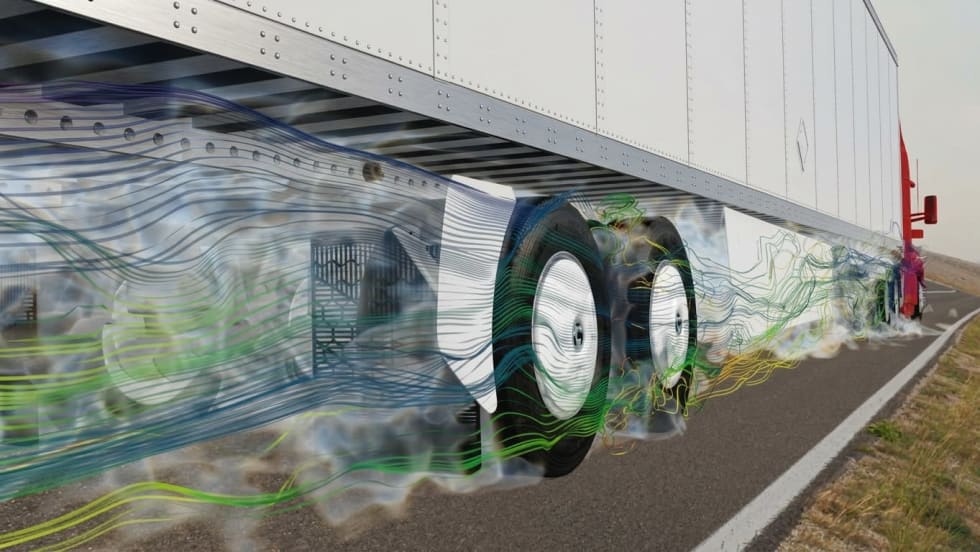
FlowBelow Redesigns Trailer AeroSlider to Cut Fuel Use
The lighter trailer aerodynamic system installs in less than 45 minutes, according to the company, with potential payback in under a year depending on fuel prices and trailer mileage.
Read More →
Why Diesel Price Relief Efforts May Fall Short
Diesel prices have eased from September’s record high, but doubts about additional Russian supply and limits on dyed-diesel tax relief mean trucking fleets still face expensive fuel. And prices could go higher.
Read More →
Why Small Fuel Savings Matter in Trucking
Can better fuel economy help pay for driver raises? In this podcast, GP Transco explains how small efficiency gains create room to reinvest in its people.
Read More →
How GP Transco Cuts Trucking Fuel Costs, a Tenth of a Gallon at a Time
What’s another tenth of a mile per gallon worth? GP Transco shares how equipment upgrades and driver coaching turn small gains into meaningful fuel savings.
Read More →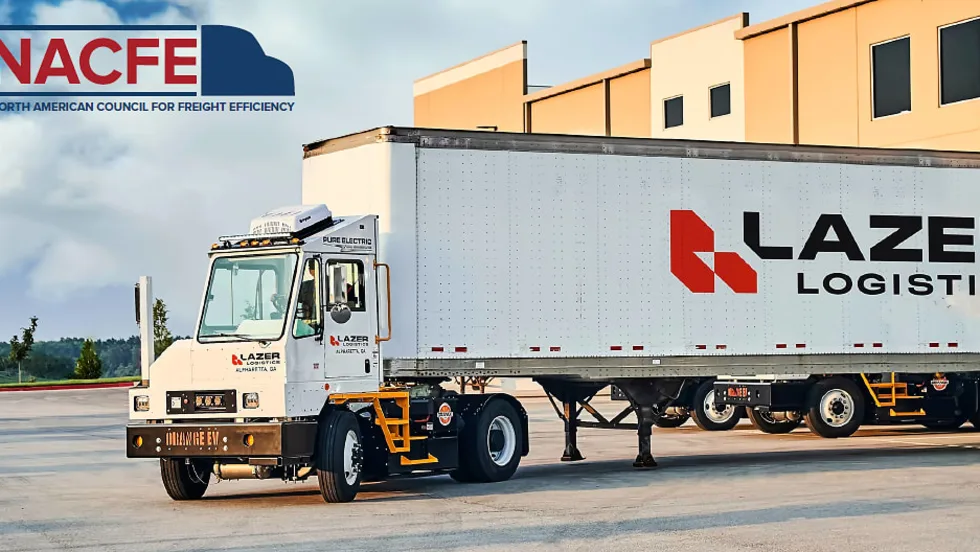
Electric Yard Tractors Move Beyond Pilots
Operating-cost savings have overtaken sustainability goals as the leading reason surveyed fleets are adopting battery-electric terminal tractors, according to new NACFE research.
Read More →
Geotab Links Fleet Card to Vehicle Data
The new card combines fuel discounts with telematics-based purchase controls. Geotab’s analysis also points to potential savings from choosing lower-priced fuel stops.
Read More →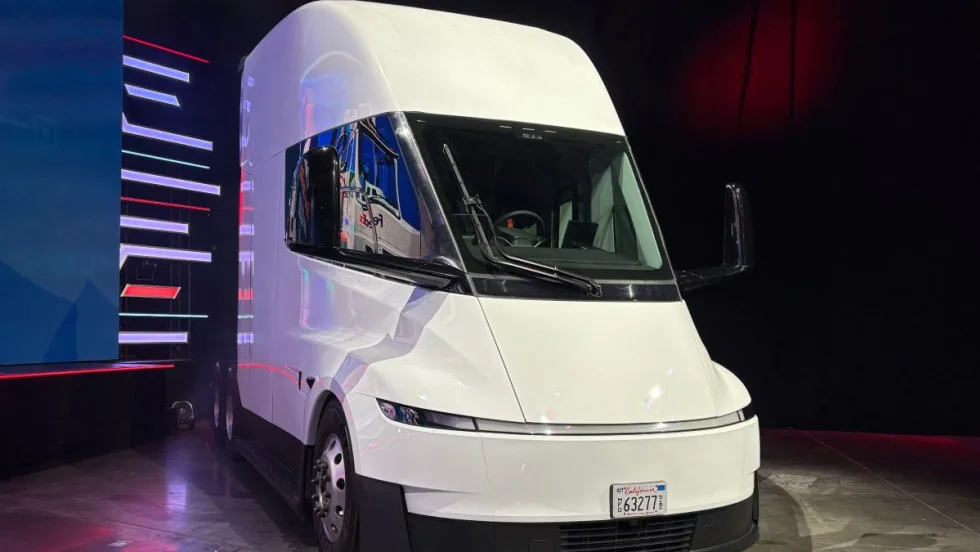
Fleet Economics Shape Electric Truck Outlook
ACT Research expects costs, charging infrastructure, and technology improvements to drive zero-emission commercial vehicle adoption as federal regulations and incentives retreat.
Read More →
Wex Adds Cardless Fuel Payments for Over-the-Road Customers
A new fuel card feature for Wex customers offers convenience and security.
Read More →