




5 Ways Truck Drivers Can Prevent Cold-Weather Calamity
Every year we read about drivers who perish in their trucks during extended road closures where the driver goes off the road or runs into impassable conditions. Would you or your drivers be able to stay warm and safe if you were caught in such a situation?


Truck drivers may think because they travel along busy four-lane highways they don't need to plan for winter emergencies, but that's a dangerous assumption.
Photo by Jim Park

If wintry weather has you trapped, stay with the truck. Don't set out looking for help.
Photo by Jim Park
Winter can be very unforgiving. Every year we read about drivers who perish in their trucks during extended road closures where the driver goes off the road or runs into impassable conditions. It can be hours or sometimes days before help arrives. Would you or your drivers be able to stay warm and safe if you were caught in such a situation?
Here are five tips that will help keep drivers alive if the worst should happen.
1. Keep Your Truck's Fuel Tanks Full
Your engine is your only reliable source of heat, so you need to keep it running. You stand a much better chance of surviving if you have enough fuel to last a day or two stranded at roadside. Tanks that are less than half full also have greater risk of gelling or freezing, because the water that is always in diesel fuel has less fuel in which to disperse. That means there's more water present per gallon, and that increases the possibility of freezing up.
You can prevent fuel from gelling by using anti-gel additives, or even a cupful of basic rubbing alcohol (alcohol absorbs water) if you're in a pinch, but you can't un-gel your fuel with an additive. The idea is to prevent it from happening in the first place.
2. Keep Emergency Rations in the Truck Cab
Most of us would not starve to death if we went without food for a day or two, but it can get pretty uncomfortable. In addition, eating generates body heat, so it's important that you consume some food, and especially water, if you're storm stayed.
It's a good idea to stock a small supply of high-calorie snacks for emergency use, such as candy bars, granola bars, easy-to-heat meals, and dried fruits and nuts (such as trail mix).
A couple of cans of soup or ready-to-eat canned food is useful if you have a means to heat it (don't forget to buy pop-top cans or include a can opener in your emergency kit), but you can always use some alternate source of heat such as the defroster, the engine exhaust manifold, or a can of Sterno. Put a small stash aside and leave it alone until you need it.
3. Be prepared to stay warm
A winter survival kit is a must for any driver on an irregular route where you don't know where you might be going next.
Don’t lull yourself into thinking that because you run the same busy four-lane highway all the time that you might not need it. That kind of thinking kills people.
Driver who run remote, less-traveled roads in winter carry winter kits, but it’s usually not those folks we read about after a storm. Winter coats, boots, etc. can be purchased cheap at Goodwill stores and used clothing shops. Don't go without because of the high cost of new winter clothing.
Warm clothing is a must. It's far better to have and not use it than need it and be without:
A good winter coat, mitts and a hat, at the very least
A pair of thermal underwear or several T-shirts you can layer on
Several pairs of heavy socks in case one pair gets wet
Insulated coveralls for working outside the truck in winter
A quality pair of winter boots.
4. Pack a Winter Tool Kit
One can easily go overboard prepping for a winter emergency, but no tool is more important than the one you don't have. These would be the essentials, and perhaps surprisingly, not all drivers equip themselves with even these basics.
Several small cans of Sterno (gelled alcohol used to keep food warm) or candles (good for a little heat and light), butane lighter, plug-in rechargeable flashlight (flashlight batteries are always dead when you really need them).
Sleeping bag for additional warmth
Spare fuel filter and a filter wrench to change filter, and written instructions on how to change a fuel filter if you’re not sure how it’s done
Anti-gel fuel additive
Air-line antifreeze with instruction from the shop supervisor on how to use it
Windshield ice scraper
A large bag of road salt or cat litter for traction
5. Have a Survival Strategy
If you find yourself stranded and isolated and not going anywhere because of foul winter weather, don't panic. Take stock of the situation and assess your options – which are usually limited to waiting it out until the road is cleared or help arrives to get you going again.
Try to alert someone to your situation so they know where you are
Consider your fuel supply and how long you might be able to leave the engine idling to keep warm. Engines burn one to two gallons per hour at high idle, so roughly speaking you'll need 30-40 gallons of fuel to idle for 24 hours
If your fuel is low, idle sparingly; run it long enough to warm the cab and then shut it off again
If you have a downdraft exhaust, dig out any snow around it so you aren't overcome by carbon monoxide fuels, and always crack open a window when the engine is running
If you're gelled up and the engine won't run, use your batteries sparingly. The cold will limit their effectiveness too at some point
Don't leave the truck in search of shelter. Inside you have some protection from the elements, and body heat will help warm the inside of the cab
Dress warmly even when inside
If you sleep, set an alarm to wake you periodically so you don't slip into hyperthermia.
Winter survival begins with preparedness, so if you or your drivers don't currently have any of the supplies we mentioned, consider finding them as soon as you can. Come springtime, pack it all up in a box and stow it for next winter – except the food.
More Safety & Compliance

$604 Million Verdict Tests Broker Liability After Supreme Court Ruling
C.H. Robinson plans to appeal after a Texas jury found it bore the largest share of responsibility for a fatal 2021 crash, in a case that follows the Supreme Court's Montgomery decision allowing negligent hiring claims against freight brokers.
Read More →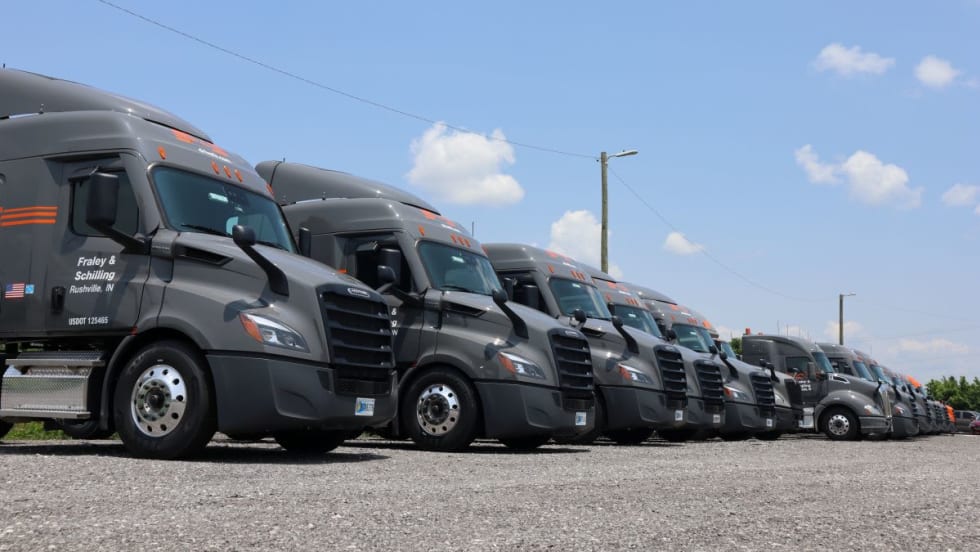
How Fraley & Schilling Improved Logbook Compliance by Over 50%
Fraley & Schilling needed a way to close a compliance workflow gap in its ELD system without adding more work from driver training, reminders, and back-office follow-ups. It found the answer in a custom driver app.
Read More →
Farewell, CDL: Why I'm Giving Up My Commercial Driver's License
After more than 20 years as a CDL holder, HDT Executive Editor Jack Roberts is letting his commercial license expire. Not because he wants to — but because trucking's nuclear verdict crisis has made the risks of public-road test drives too great for editors, manufacturers, and everyone involved.
Read More →
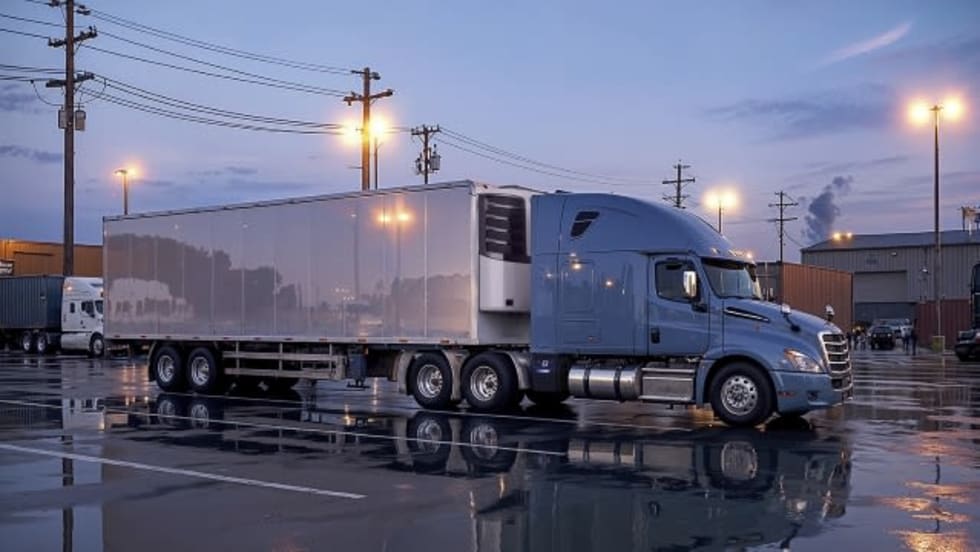
Enhance Fleet Performance with High-Efficiency Auxiliary Power Units
Drive sustainable cost savings while increasing driver comfort during short- and long-haul logistics operations.
Read More →
Wabash Trailers Recalled for Improperly Installed Underride Guards
More than 900 Wabash dry van trailers may not comply with the Federal Motor Vehicle Safety Standard for rear impact guards.
Read More →
Why K&B Trucking Is Embracing AI and Driver Safety Technology
Crunching data and embracing artificial intelligence are key in K&B Trucking's safety efforts, says the company's safety director.
Read More →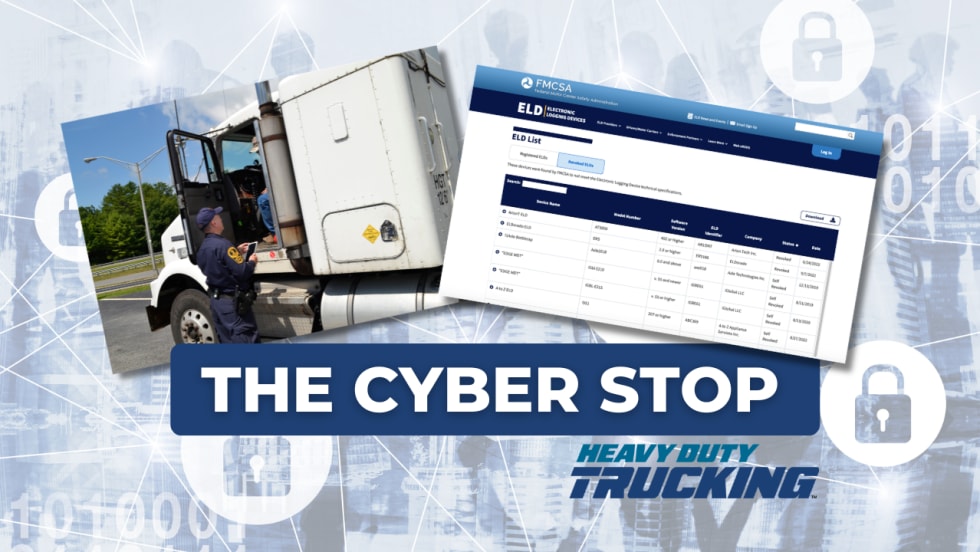
The Hidden Problem Behind FMCSA's ELD Revocations
NMFTA researchers say dozens of registered ELDs may be built on the same software platforms, allowing compliance and security concerns to persist even after individual devices are removed from the market.
Read More →
ATRI Wants Motor Carriers for Driver-Facing Camera Study
In this new study, the American Transportation Research Institute will explore how driver-facing cameras can impact safety and operational metrics in trucking fleets.
Read More →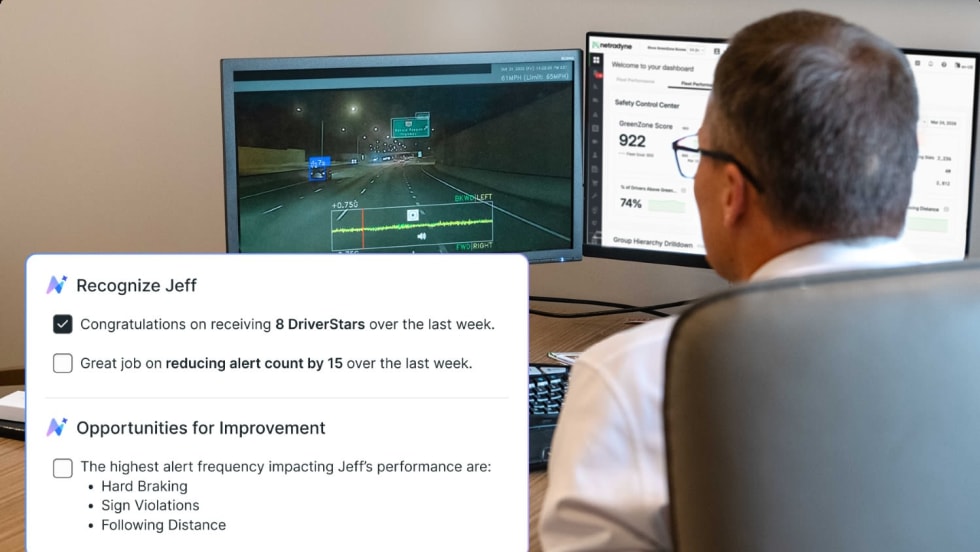
Netradyne Intelligence Uses New AI Agents to Automate Response to In-Cab Camera Data
The company called the next-generation in-cab camera safety platform "a fundamental shift from systems that report on what happened to systems that actively drive what should happen next."
Read More →Mack, Volvo Issue ‘Do Not Drive’ Recall on Possible Wheel-Offs
Owners will be sent advance notice not to operate their affected vehicles until the remedy is performed.
Read More →