A coalition of AFL-CIO member unions is urging the Federal Motor Carrier Safety Administration to deny a petition by several trucking companies to use hair specimens in lieu of federally mandated urine in pre-employment drug tests.
David Cullen・[Former] Business/Washington Contributing Editor
A coalition of 32 AFL-CIO member unions representing transportation workers is urging the Federal Motor Carrier Safety Administration to deny a petition by several trucking companies to use hair specimens in lieu of federally mandated urine in pre-employment drug tests.
The Transportation Trades Department of AFL-CIO contends that the safety agency should “follow established protocol and put science first” by denying the petition filed back in October by Maverick Transportation, Knight Transportation, J.B. Hunt Transport Services and Dupré Logistics, all members of the Alliance for Driver Safety & Security, along with Schneider National and Werner Enterprises.
Ad Loading...
In comments filed on April 25, TTD pushed back against the petition, citing concerns about the reliability, accuracy and fairness of hair testing. The union coalition stated that studies show that hair testing can produce false results and may have an inherent racial bias. Darker and more porous hair retains some drugs at greater rates than lighter hair, said TTD, adding that “hair specimens can test positive for drugs drivers never ingested.”
“No one in America should be denied employment because the trucking industry wants to rely on an unsound testing method as a way to cut drug-testing costs,” said TTD President Edward Wytkind. “Until hair testing is proven to be a reliable and fair way of testing for drug use and federal standards are in place, subjecting transportation workers to hair-testing should not be up for serious consideration.”
TTD argues that, unlike urine tests, which it said are the most accurate and reliable method for pre-employment drug testing, hair testing lacks federal oversight. Therefore, relying on hair testing as a condition of employment “could unfairly hinder a driver’s chance to earn a livelihood and sets a threatening precedent that could affect millions of workers in the transportation sector and across the economy.”
Ad Loading...
The union coalition noted that language in the FAST Act highway bill of 2015 directs the Department of Health and Human Services to issue scientific and technical guidelines on hair testing and permits bus and truck companies to perform pre-employment hair tests only after HHS guidelines are issued. “This reflects the standard that the Department of Transportation has adhered to since 1991, when Congress mandated that DOT follow HHS guidelines in creating federal drug test standards,” TTD said.
“By petitioning FMCSA with the same request Congress ultimately denied, these trucking companies are circumventing a long-established process that rightfully allows scientists, not employers or politicians, to determine which testing methods and procedures are approved and implemented,” Wytkind said. “Deviating from that process undermines scientific standards and sets a dangerous precedent that could have far-reaching consequences.”
In addition, TTD pointed out that several prominent civil rights groups, including the NAACP, ACLU and the Drug Policy Alliance, have submitted comments that also urge FMCSA to deny the petition, “citing the racial biases and false results associated with hair testing.”
TTD also noted that influential Congressman Peter DeFazio (D-OR), Ranking Member of the House Transportation Committee, and Del. Eleanor Holmes Norton (D-DC) have also called on FMCSA to deny the petition. In a Feb. 21 letter to the agency, the two Capitol Hill stalwarts call the implementation of hair testing “premature” and a contradiction of Congressional intent.
The trucking industry has no shortage of cybersecurity reports and cargo crime statistics. What it lacks is timely, operational intelligence that fleets can actually use.
ATRI’s latest research points to litigation, social inflation, and soaring claims costs as key drivers behind record-high liability premiums for trucking fleets. But there are things motor carriers can do.
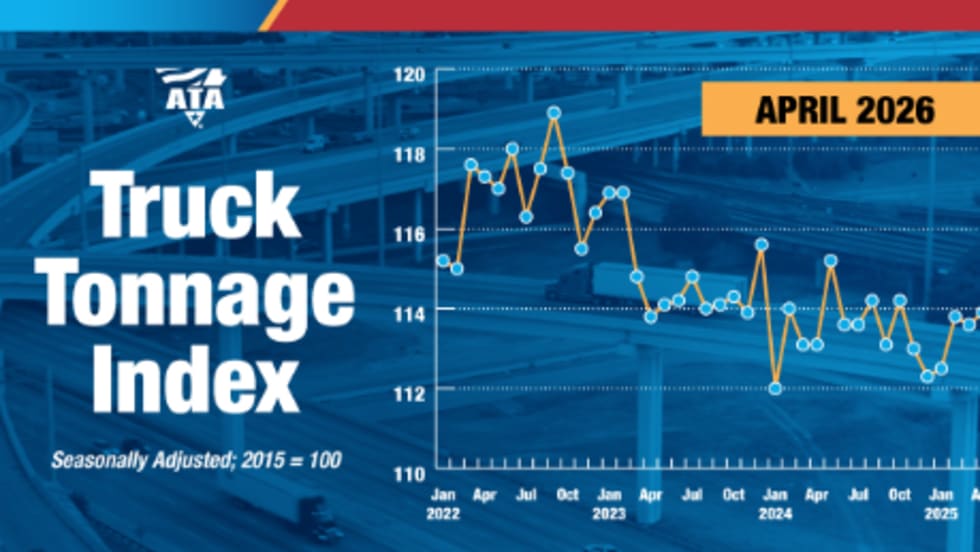
ATA’s For-Hire Truck Tonnage Index was unchanged in April after a strong March gain, with freight volumes remaining at their highest levels since late 2022.
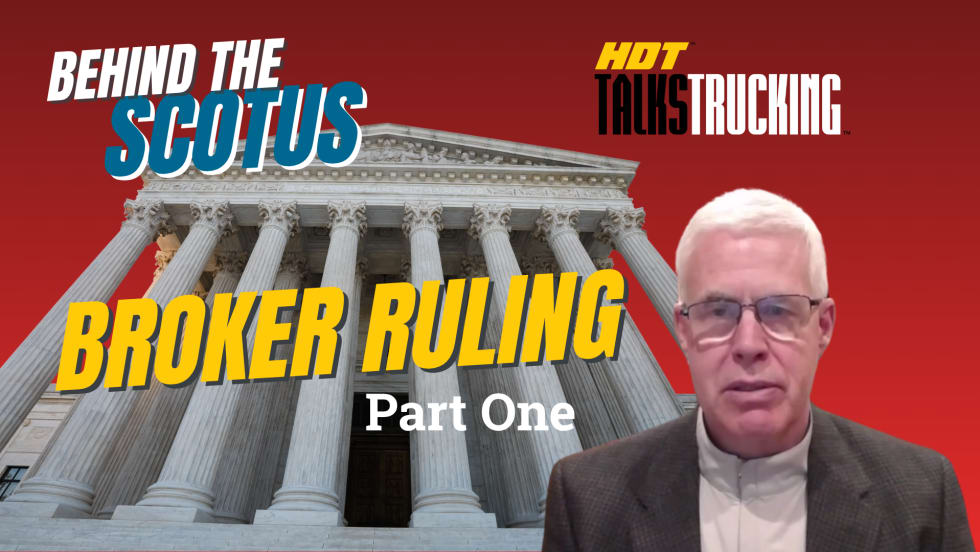
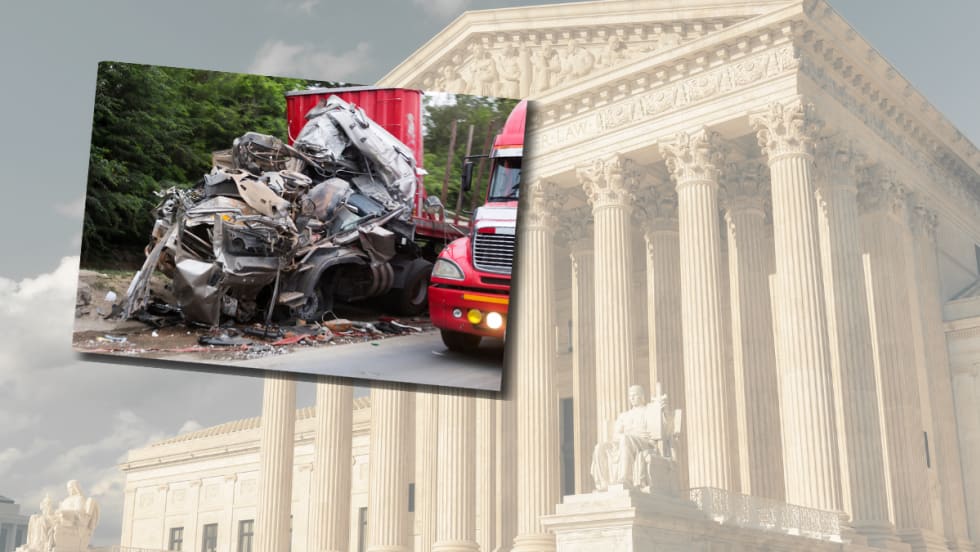
Transportation attorney Greg Feary breaks down the recent Supreme Court decision that brokers can be held liable for damages in truck accidents and what it means for the trucking industry going forward.
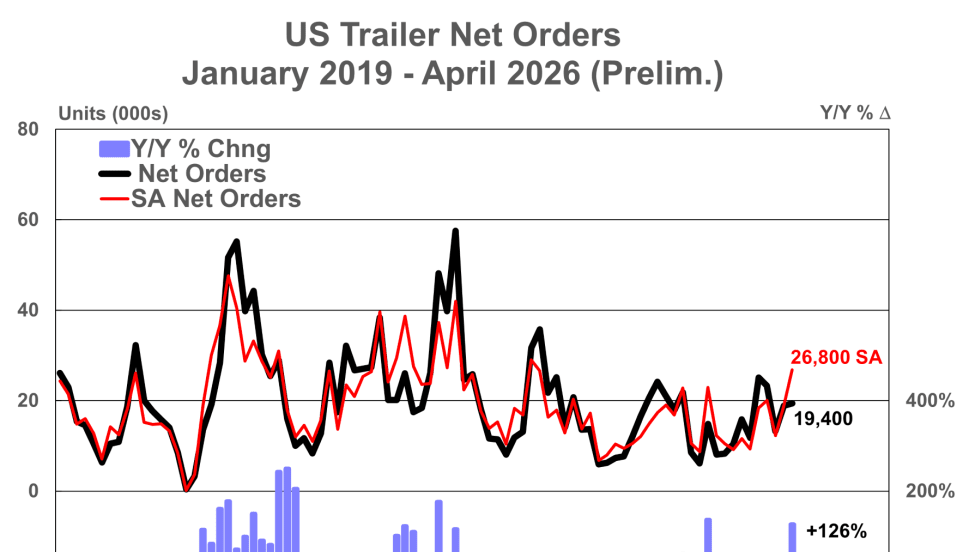
Preliminary net trailer orders rose 3% from March and jumped 126% year over year, signaling stronger-than-expected demand despite typical seasonal softness.
The unanimous SCOTUS ruling in the closely watched Montgomery v. Caribe case allows state negligence claims against freight brokers that hire unsafe motor carriers, raising new liability and vetting concerns among brokers.