




ATA Pulling for Hair-Testing Standards
The American Trucking Associations is continuing its push to allow hair-testing to be used in lieu of urinalysis to detect drug use by CDL driver applicants.

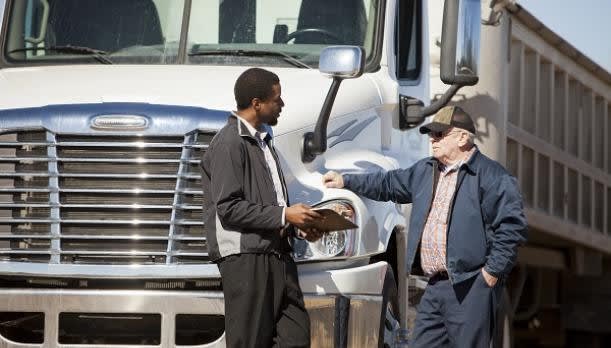
Image: Federal Motor Carrier Safety Administration

Image: Federal Motor Carrier Safety Administration
The American Trucking Associations is continuing its push to allow hair-testing to be used in lieu of urinalysis to detect drug use by CDL driver applicants.
In a March 20 letter to Health and Human Services Secretary Tom Price, American Trucking Associations President and CEO Chris Spear called for HHS to quickly release guidelines and standards for the use of hair samples in mandatory drug testing of truck drivers.
ATA pointed out in a statement that HHS has yet to issue the necessary standards that would allow those tests to be implemented. It also noted that this week ,the Substance Abuse and Mental Health Services Administration (an HHS agency) will hold Drug Testing Advisory Board meetings to consider hair-testing, “putting HHS well behind its congressionally mandated deadline.”
“Many trucking companies are using urinalysis to meet federal requirements, while also paying the additional cost to conduct hair testing,” Spear said in the letter. “We are frustrated that the previous administration failed to meet the statutory deadline and believe your leadership will finally see a resolution to this long-standing and important safety rule.”
According to ATA, the association and many of its member carriers contend that, based on experience, "hair-testing is more effective at preventing habitual drug users from obtaining jobs as truck drivers, thus improving highway safety."
“Making sure America’s truck drivers are safe and drug-free is among ATA’s highest priorities,” Spear said. “This commitment is why ATA led the charge for mandatory drug-testing of commercial drivers, for the creation of a clearinghouse for drug and alcohol testing results, and the use of hair-testing.”
Spear’s letter comes a month after the Alliance for Driver Safety & Security (a.k.a. the Trucking Alliance) submitted a set of detailed comments to the Federal Motor Carrier Safety Administration that strongly support a petition calling for motor carriers to be exempt from having to use urinalysis to test for drug use by CDL driver applicants.
In January, David Heller, vice president of government affairs for the Truckload Carriers Association, told HDT that once HHS “vets its guidelines to incorporate hair testing as an 'and/or option' for its drug testing protocols, carriers can use that option to better define the drug history of a potential driver.”
More Fleet Management
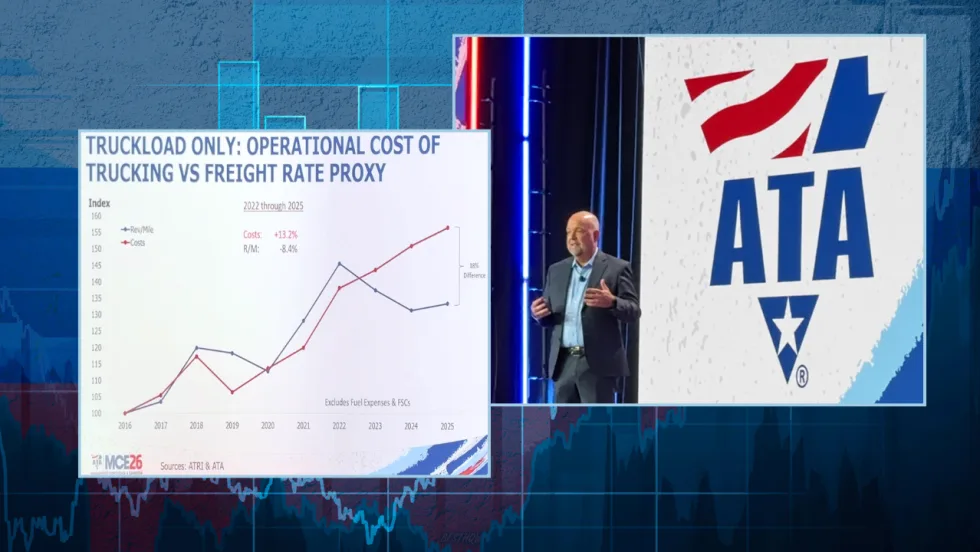
Why This Trucking Recovery Is Different
Freight demand remains sluggish, but rising costs and tougher enforcement have taken enough capacity out of the market to change the outlook for motor carriers.
Read More →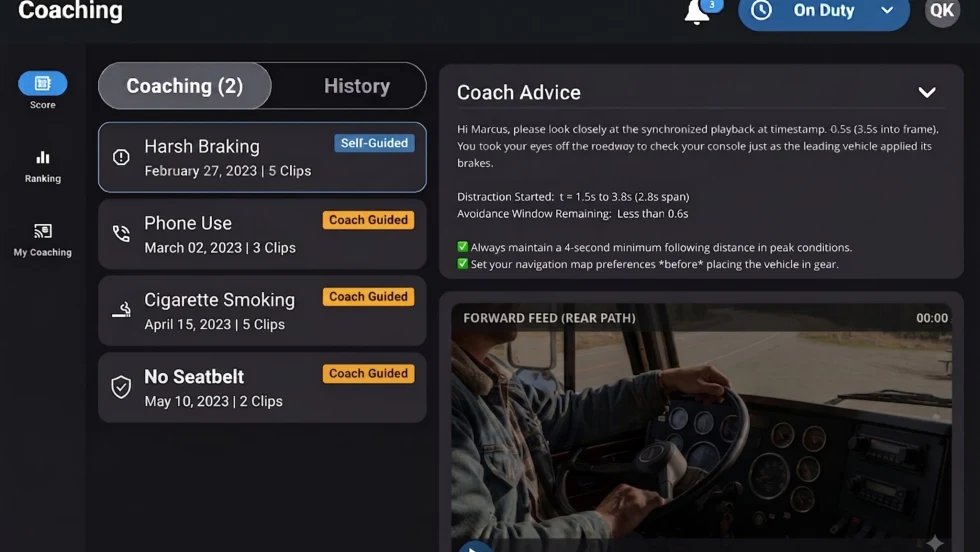
Platform Science Adds Dispatch and Safety Tools
Four additions to PS Fleet help fleets monitor loads, manage driver coaching, share truck locations and adjust video system settings.
Read More →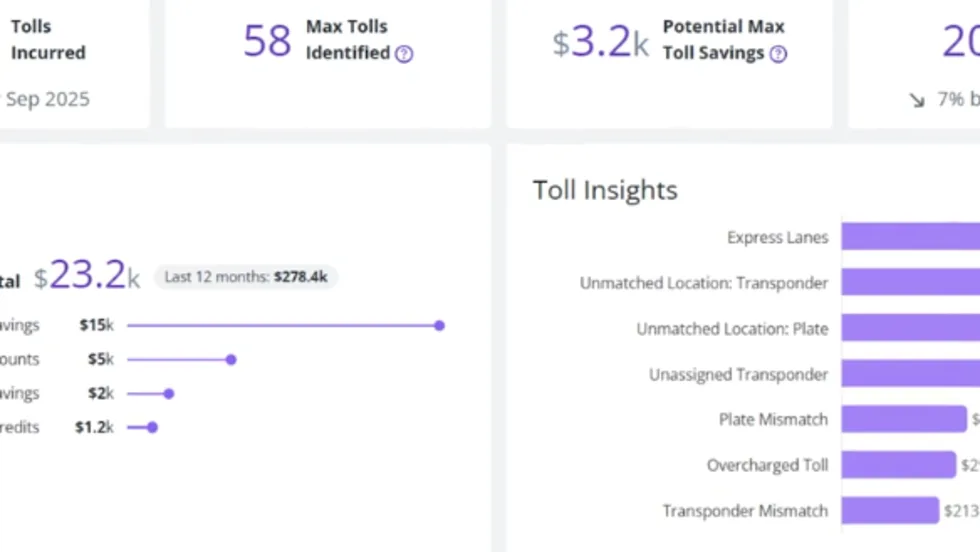
PrePass Intelligence Mines Fleet Bypass, Toll and Safety Data
PrePass Intelligence helps fleets measure bypass savings, flag potential toll overcharges, and spot suspicious transactions by combining data from separate systems.
Read More →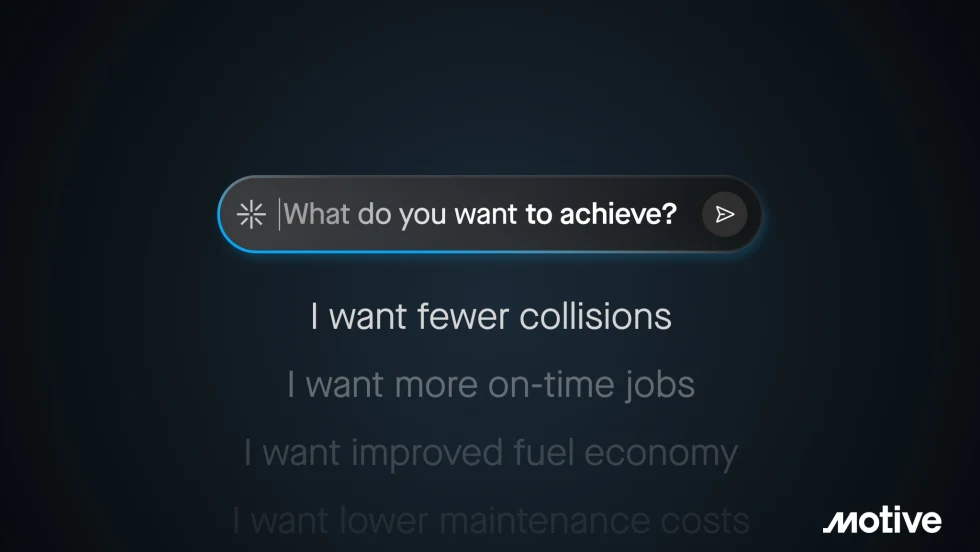
Motive Adds AI Agents for Fleet Operations
New tools automate follow-up on fleet data, from maintenance work orders to driver alerts, with two-way voice conversations planned for later this year.
Read More →
Can You Beat Our Trucking Trivia Challenge?
Test your truck knowledge with 19 trivia questions from Heavy Duty Trucking Exchange. Can you keep up with the fleet pros?
Read More →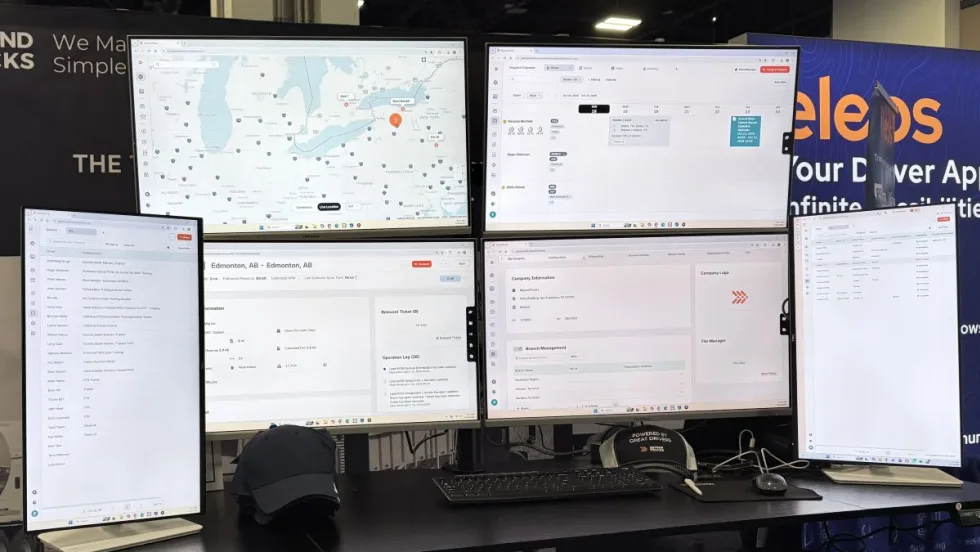
BeyondTrucks Adds Rules Checks to Dispatch
New Compatibility Engine checks driver qualifications, equipment requirements and fleet policies before loads are dispatched.
Read More →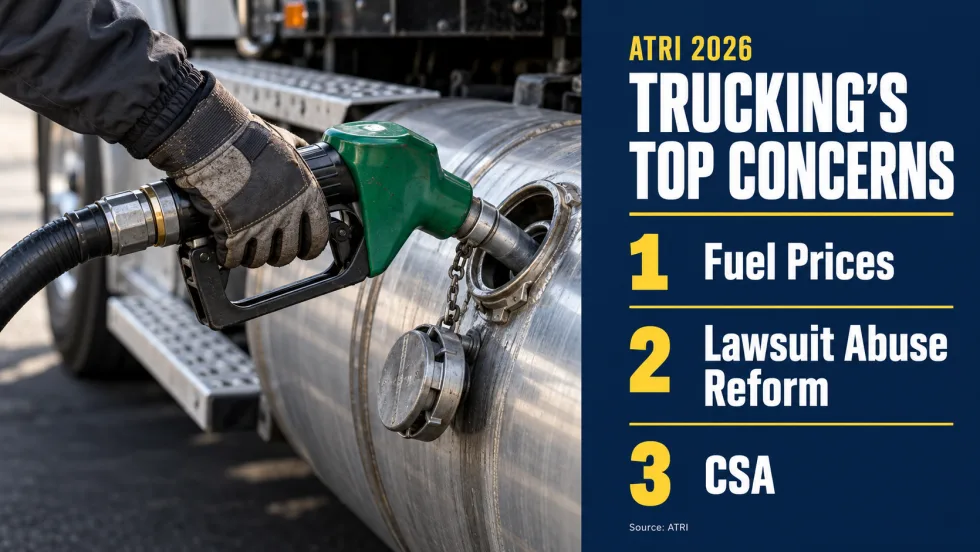
Diesel Prices Hijack Trucking’s Worry List
ATRI’s annual survey finds cautious optimism about freight, but diesel costs, litigation, and insurance continue to squeeze fleets. Drivers have different priorities on several issues.
Read More →
Nomination Deadline Extended for HDT Emerging Leaders
Just a few more days to nominate accomplished trucking fleet professionals under 40 who are making an impact and helping lead the industry forward for the HDT Emerging Leaders award. Deadline extended to October 20!
Read More →
What Will ATA’s New Leader Bring to Trucking's Table?
Incoming President and CEO Mark Colson’s record in Alabama offers clues about his priorities and approach following Chris Spear’s abrupt departure as the head of the American Trucking Associations.
Read More →
Volvo, Waabi Start Commercial Autonomous Operations in Texas
Volvo VNL Autonomous trucks, powered by the Waabi Driver, are hauling freight directly to third-party facilities for a customer in Texas.
Read More →