




Gauging Trucking’s Digital Disruptors
No fewer than five technology-based “disruptors” to freight transportation were identified in a recent survey of carrier/3PL/broker, shipper and trucking supplier executives conducted by Princeton Consulting.
February 11, 2016


Respondents to an industry survey expect the most likely disruptor of the freight transportation market over the next few years will be Big Data.
4 min to read

“Disruption” is now a business buzzword. But when it’s applied to all things digital, it doesn’t have the ring of a cliché, because so much that is tech is changing so fast.
No wonder no fewer than five technology-based “disruptors” to freight transportation were identified in a recent survey of carrier/3PL/broker, shipper and trucking supplier executives conducted by Princeton Consulting.
The results were discussed by Steve Sashihara, founder and CEO of Princeton Consultants, in a conference call hosted by brokerage and investment firm Stifel. Per a takeaway report issued by Stifel, 267 responded to the survey. Of those, roughly 50% worked at carriers, 3PLs or brokers; 11% at shippers, and 8% at suppliers to the freight transportation industry.
Sashihara listed the four major disruptors the survey determined and detailed why they are expected to impact freight transportation as well as how soon they may and by how much they might:
Self-Driving/Autonomous trucks
Only 28% of survey participants believed that autonomous trucks would have a medium or high impact over the coming eight years.
Sashihara said he expects this technology to be adopted in three phases: First, an “autopilot” would emerge that would assist the traditional driver in operating his/her vehicle.
The second phase would be pelotons [platoons] of driverless trucks operating on the federal grade-separated highway network – perhaps during off-peak hours. Essentially, these highway trains would consist of driverless individual tractor-trailers that would follow closely behind one another. Once the destination interchange was reached, a “human drayman” would take the semi-trailer over local roads to complete the delivery. Such pelotons would not be subject to driver hours of service rules and their tractors would be of a lighter, more fuel-efficient design compared to today’s sleeper-equipped tractors.
The last phase would see the widespread use of autonomous trucks on all links in the highway network. But before that can happen, a “wide majority” of the public must believe that driverless trucks are safer than the alternative — thus “a lot of education and communication” will be required before reaching that milestone.
Drones
The devil in this technology is in the details. Today’s drones have limited lift capacity, limited durability, untested reliability and may not be robust enough to operate “fluidly” in any type of adverse weather. Also, the government must outline operating rules, including maximum altitude, maximum speed, acceptable routes, safety paraphernalia, liability, etc.
Princeton Consultants sees drones being implemented in three phases: First, drones will operate over private property, inside and outside of industrial, agricultural, transportation hubs, etc. The second phase imagines drones providing delivery service to/from hard-to-access, rural locations.
The third phase would see the widespread adoption of drones for business-to-consumer and business-to-business deliveries, once operating rules had been developed and adopted by the relevant parties.
Freight Uberization
Call it the "Uberization" of trucking or, as Princeton Consulting does, “total or partial disintermediation of freight brokers,” this disruptor is “coming one way or the other.”
Sashihara says either existing transportation companies will incrementally automate one function after another in a “live laboratory” (i.e., their existing business/freight flows), or one or more technology-based companies will emerge with a system that will “leapfrog the incremental enablement of less-human intensive brokerage at legacy operating companies.”
While there is no question that a truckload shipment has a lot of nuances, he suggested that an agreed-upon set of definitions and standards, applicable across the industry, could be the main requirement “enabling a more full disintermediation of third parties” in the freight transportation space.
Internet of Things (IoT) and Big Data
These two digital behemoths are interdependent and were viewed by the survey respondents as the most likely disruptors in play over the next few years.
The indication was that most companies already have amassed “mountains of big data,” but they haven’t figured out how to use it productively to make enhanced decisions. However, with every unit of freight, every vehicle hauling freight, etc. generating data every second, the time to tackle the data analytics challenge is now. Sashihara implied that those who figure out this opportunity first, be they big or small, asset-heavy or asset-light, international or domestic, multi-modal or single mode focused, will be the big winners from now on out.
“Digital disruptors will help carriers, 3PLs, shippers, and receivers lower supply chain costs, while simultaneously becoming more reliably responsive to customer requirements,” Stifel noted in the investment conclusions included in its takeaway report on the call with Sashihara.
More Fleet Management
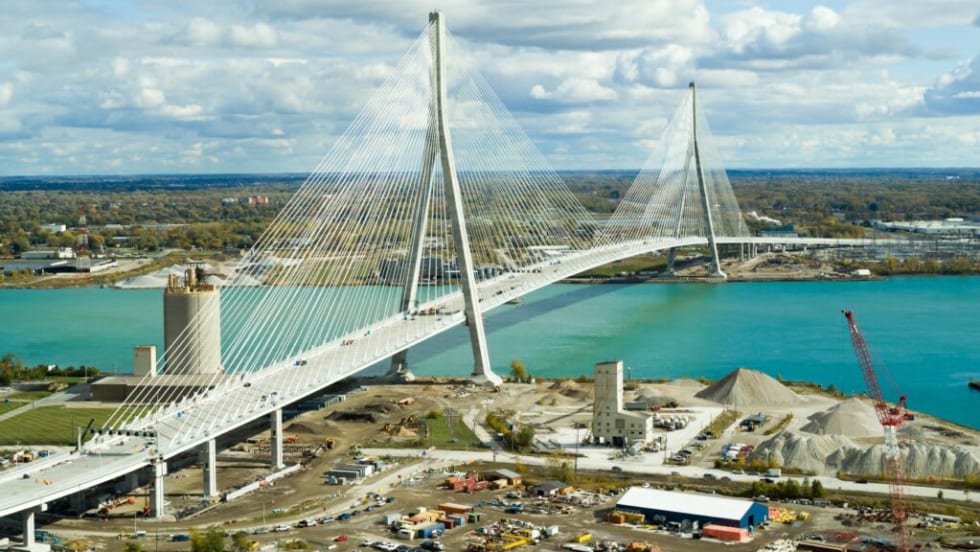
Long-Awaited Canadian Border Bridge to Open in Detroit
For trucking, the bridge opening should offer immediate improvements in efficiency and reliability, with new customs facilities, expanded inspection capacity, and direct freeway-to-freeway connections.
Read More →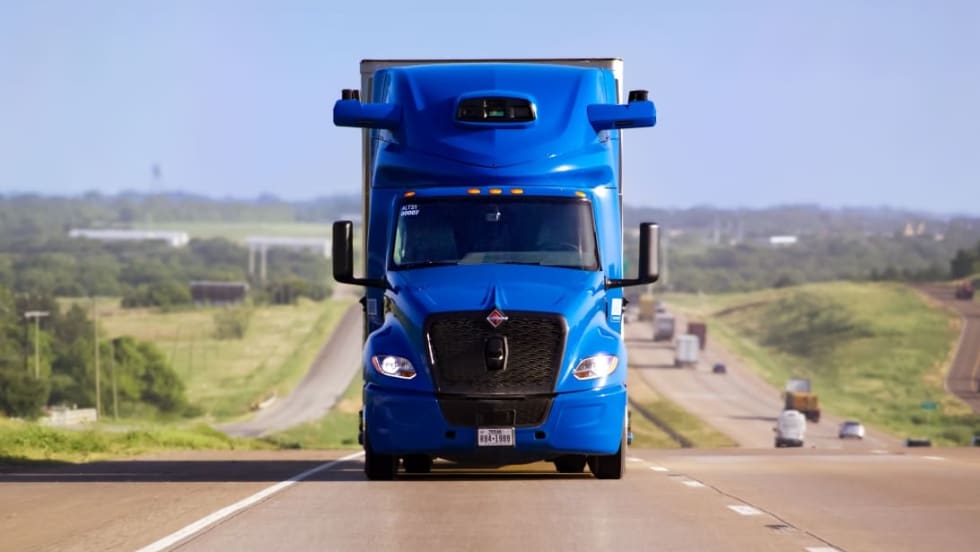
Aurora Rolls Out Next Generation of Driverless Trucks for Commercial Freight
Aurora's latest autonomous trucks it's rolling out with International feature lower-cost hardware designed for a million miles as the company expands commercial driverless freight operations across the U.S. Sun Belt.
Read More →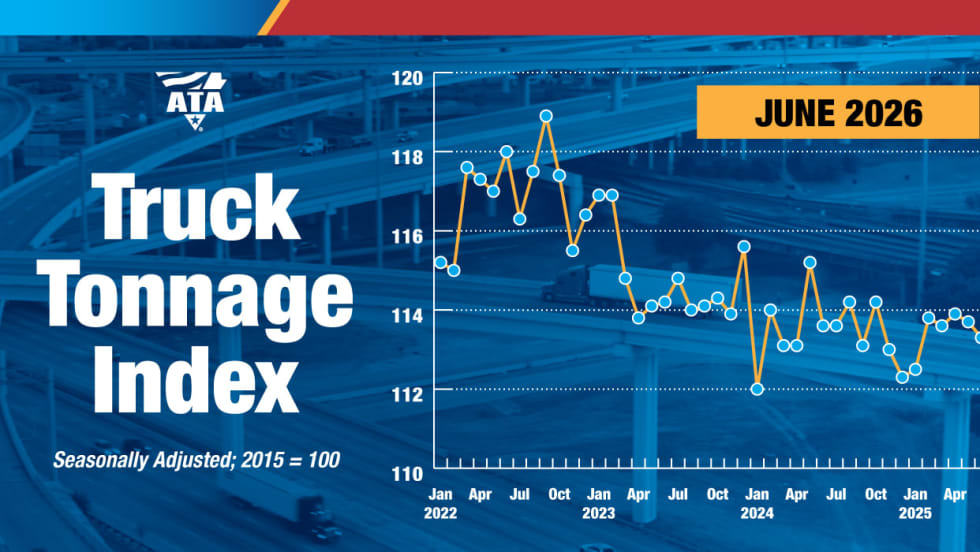
Freight Tonnage Down, Rates up, as Lower Capacity Powers Trucking Recovery
The recovery from the freight recession continues to be driven by reduction in capacity rather than by increased demand.
Read More →

Think Your Trucking Fleet Isn't Using Much AI? Think Again
Shadow AI — the use of unauthorized artificial intelligence tools at work — is becoming increasingly common, putting sensitive company data at risk. Learn how trucking fleets can protect sensitive data while embracing AI.
Read More →
ArcBest Consolidates Brands, Cuts Workforce
The company will bring three business units under the ArcBest brand, eliminate about 2% of positions, and expects the changes to generate $40 million in annual savings.
Read More →
Trucking Fleets Faced Record Operating Costs During Third Year of Freight Recession
ATRI's annual operational cost report shows carriers trimmed fleets, delayed equipment purchases, and ran older trucks as expenses continued to outpace freight rates.
Read More →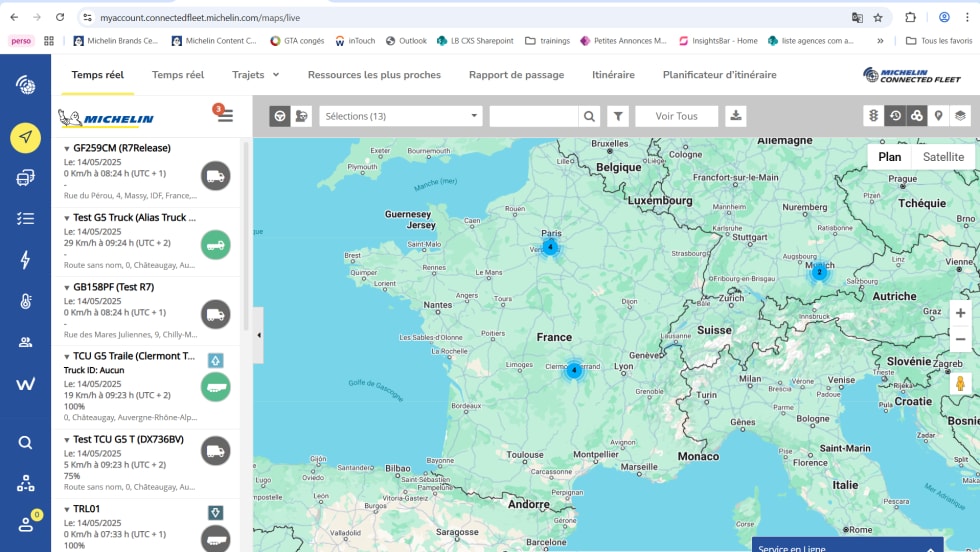
Michelin Adds AI Assistant to MyConnectedFleet Platform
Michelin’s new generative AI tool delivers instant fleet insights, helping managers analyze fuel use, tire maintenance, vehicle status, and operational performance without manually creating reports.
Read More →
LytxOne Platform Now Features AI, Compliance, and Asset Tracking Tools
New enhancements add AI-powered insights, asset tracking, compliance automation, and configurable privacy controls to Lytx's all-in-one fleet management platform.
Read More →
July Imports Poised to Set Container Record
The National Retail Federation projects July container imports will surpass the pandemic-era record as shippers frontload freight ahead of expected August tariff increases.
Read More →
HDT Announces 2026 Truck Fleet Innovator Finalists
From AI and fleet electrification to safety, operations, and leadership, these HDT Truck Fleet Innovator finalists are changing how trucking gets done.
Read More →