




"The rate for the unemployed, the underemployed and the discouraged remains stubbornly above prerecession levels."
Economic Watch: Trucking Helps Unemployment Rate Move Lower
While some recent reports have raised questions about the health of the nation’s economy, the latest one shows unemployment has fallen to its lowest level in eight years.

Evan Lockridge・Former Business Contributing Editor

3 min to read

While some recent reports have raised questions about the health of the nation’s economy, the latest one shows unemployment has fallen to its lowest level in eight years..
The Labor Department said Friday that non-farm payrolls in January increased by 151,000, pushing the unemployment rate down to 4.9% from 5% in December. It's the first time it has been below 5% since February 2008.
Since the start of 2010, there have been nearly 14 million jobs gains, according to the New York Times.
Job additions occurred in several industries, led by retail trade, food services and drinking places, health care, and manufacturing, according to the department. Employment declined in private educational services, transportation and warehousing, and mining.
Manufacturing added 29,000 jobs in January, following little employment change in 2015, bolstering hopes that recent business declines in the sector are easing. Chad Moutray, National Association of Manufacturers chief economist, said in the association's blog that this news “provides a bit of encouragement for manufacturers that have been beleaguered by the global slowdown and pullbacks in the energy sector.”
In for-hire trucking, 1,500 jobs were added in January. The wider transportation and warehousing sector saw a decline of 20,300, most of this occurring among couriers and messengers.
The overall report also showed wages increasing 2.5% over the past year, far ahead the rate of retail price inflation, which clocked in at a 0.7% increase in 2015.
But not so fast...
If there is one concern with the report on employment, it is the pace of job additions last month was down from the previous three months, when the number was between 262,000 and 295,000.
In addition, some critics say the picture isn’t a rosy at it appears, because the unemployment rate does not include those who are marginally attached to the labor force and those with part time jobs, according to CNBC. On its website, data journalist Nicholas Wells points out that if you dig deeper into the employment numbers, "the rate for the unemployed, the underemployed and the discouraged remains stubbornly above prerecession levels."
When this is taken into account, the unemployment rate is 9.9%, but that's down 1.4 percentage points over the past year.
Regardless of whether you view the 4.9% or the 9.9% unemployment rate as truly being representative of the labor market, expect the pace of job additions to be around its current level in the coming months, according to Laura Cooper, economist with RBC Economics.
“The pace of gains over the past two years will become increasingly unsustainable, reflecting a slower rate of increase in the supply of labor coinciding with much of the excess slack in the labor markets being absorbed,” she said. “Nonetheless, ongoing employment gains, more in line with today’s report, are still expected to result in the degree of labor market tightness intensifying further, resulting in an upward trend in wage growth becoming more firmly entrenched.”
What Does This Mean to the Fed?
Some believe that despite the unemployment rate falling below 5%, the slow pace of job additions could persuade the Federal Reserve to hold off on increasing interest rates when it meets again in March. (The Fed implemented its first hike in years in December.) Other factors that could postpone further increases include recent volatility on Wall Street, gross domestic product growth slowing in the final quarter of last year, and lackluster manufacturing activity.
However, Cooper believes the persistence of solid job gains (albeit lower than last year), a further drift lower in the unemployment rate, and upward wage pressures will be enough to keep the U.S. Federal Reserve in tightening mode through the forecast horizon, barring further deterioration in financial markets and the global economic backdrop.
“Today’s reported slowing in job growth does not alter our forecast that assumes that the Fed funds target will increase by 100 basis points (1%) through 2016 from its current 0.25% to 0.5% level,” she said.
More Fleet Management

Public Wi-Fi Cybersecurity Risks: How Truck Drivers and Fleets Can Protect Their Data
Public Wi-Fi can expose truck drivers and fleets to credential theft, malware, and other cyber threats. Here’s how to reduce the risk on the road.
Read More →
For Nicky Cupp, Fleet Innovation Starts With Frustration
HDT Truck Fleet Innovator Nicky Cupp turns everyday pain points at Fraley & Schilling into opportunities for better technology and smarter processes.
Read More →
Adam Buttgenbach’s Approach to Electric Trucks: Start With Where They Fit
HDT Truck Fleet Innovator Adam Buttgenbach helped PepsiCo build one of North America’s largest EV fleets by focusing on where electric trucks make operational sense.
Read More →
Deen Albert: Let Automation Do the Math, People Make the Decisions
HDT Truck Fleet Innovator Deen Albert makes sure people are still at the heart of operations at Grand Island Express, even while adopting artificial intelligence tools. AI-assisted dispatch helped boost revenue 25% with the same number of trucks.
Read More →
Trimble’s New AI Agent Takes Aim at Fleet Back-Office Busywork
Arc Agent works across Trimble TMS products to automate repetitive tasks such as freight orders, maintenance, invoices, fuel costs and more.
Read More →
How HDT’s 2026 Truck Fleet Innovators Are Rethinking Fleet Operations
Meet five trucking leaders who are challenging assumptions, solving operational problems, and putting innovative ideas to work.
Read More →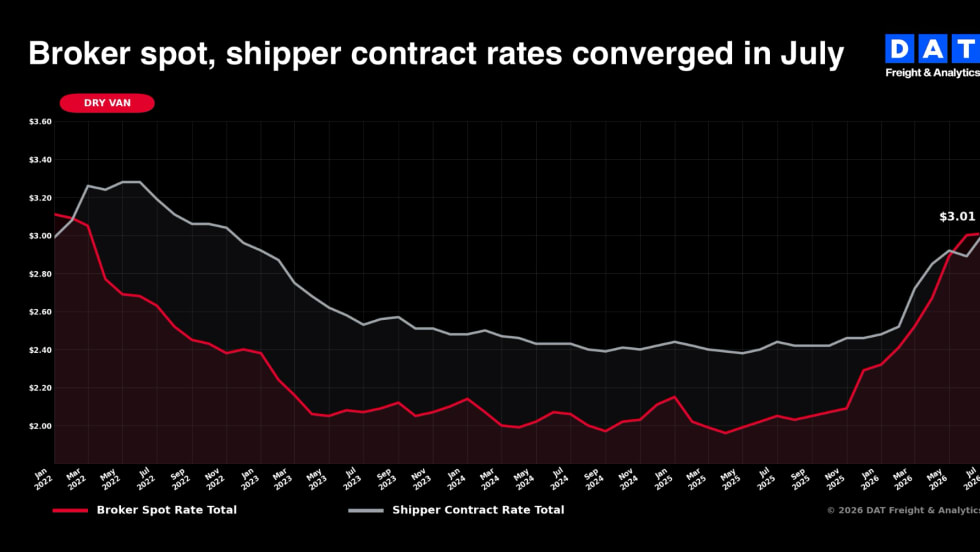
Tight Trucking Capacity Pushes Rates Higher Even as Freight Volumes Fall
“Spot rates moving ahead of contract rates have historically signaled a tightening market, but we haven’t seen a capacity-driven market quite like this one,” said DAT's Dean Croke.
Read More →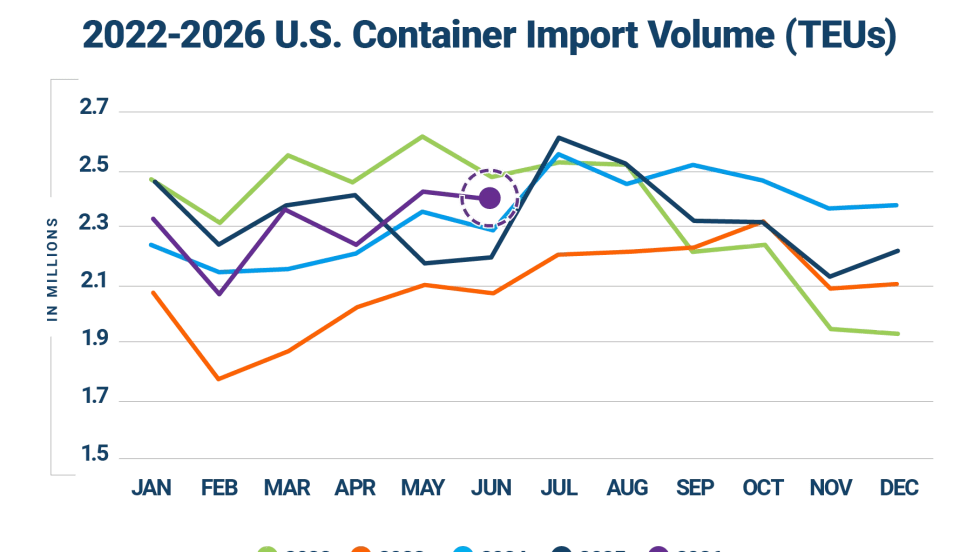
Import Cargo’s Early Peak Season is Winding Down
There was an early start to peak season this year at the nation's gateway ports, as retailers brought in merchandise ahead of tariff changes in late July and responded to other supply chain uncertainties,
Read More →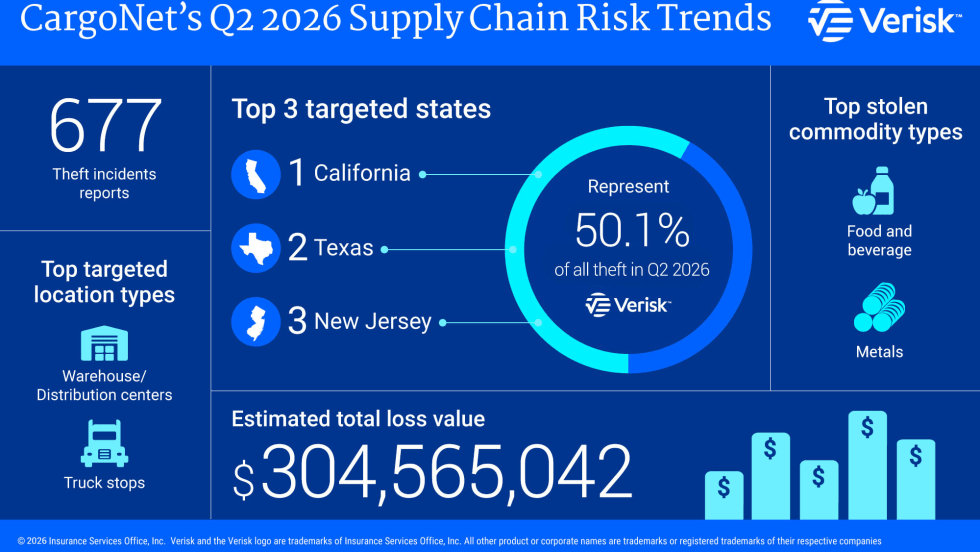
Fewer Cargo Thefts, Bigger Losses: Criminals Target Higher-Value Loads
CargoNet says organized theft rings are stealing fewer shipments but choosing more valuable freight, including metals and technology, resulting in record losses.
Read More →
How Innovative Trucking Leaders Turn Change Into an Advantage
As the pace of change accelerates in trucking, the fleets that adapt best have more than the latest technology. They have cultures that embrace improvement.
Read More →