




Economic Watch: What's Behind Fed Interest Rate Hike?
The U.S. Federal Reserve’s Open Market Committee on Wednesday decided to push short-term interest rates higher for the first time since 2006.


The U.S. Federal Reserve’s Open Market Committee on Wednesday decided to push short-term interest rates higher for the first time since 2006.
The unanimous decision pushes the target for the federal funds rate, the interest rate at which banks lend money to each other, from 0.25% to .50%.
The rate, which had been near zero since December 2008 to help stimulate the economy during the so-called “Great Recession, is considered a benchmark that’s used to determine interest rates for higher rate loans and credit cards.
As a result, expectations are that interest rates for all kinds of loans will move up slightly from historic lows. Savers should see a little better interest rates on bank deposits following years of lackluster returns.
However, don’t expect this first hike to have that much of an effect on trucking, as we reported in October.
According to a Fed statement, information received since the Federal Open Market Committee met in October suggests that economic activity has been expanding at a moderate pace. It noted household spending and business fixed investment have been increasing at solid rates in recent months, and the housing sector has improved further; though exports have been soft.
“A range of recent labor market indicators, including ongoing job gains and declining unemployment, shows further improvement and confirms that underutilization of labor resources has diminished appreciably since early this year,” the statement said. “Inflation has continued to run below the committee's 2% longer-run objective, partly reflecting declines in energy prices and in prices of non-energy imports. Market-based measures of inflation compensation remain low; some survey-based measures of longer-term inflation expectations have edged down.”
The FOMC also expects that, with gradual increases in interest rates through 2016 expected to total about 1 percentage point, economic activity will continue to expand at a moderate pace and labor market indicators will continue to strengthen.
You can read the FOMC statement on the Fed website.
So What’s The Bottom Line?
The rate increase was not spurred by a rapidly improving economy and rising inflation, but rather by the need to fulfill a “promise” to the markets to raise rates by the end of the year with hopes of further improvement down the line, according to Lindsey Piegza, chief economist with Stifel Fixed Income.
“By the Fed’s own assessment, the economy is far from robust, with neither side of the dual mandate – stable prices and full-employment – yet achieved. In other words, the Fed has abandoned their data-dependent stance for one of expectations and arguably unfounded hope,” she said. “Such long held expectations, after all, have proven unattainable for the past six years.
"Going forward, the Fed suggests that subsequent rate increases will depend on the evolution of the data. Of course, this data-dependent commitment is the very same stance abandoned with today’s policy action leaving the Fed’s credibility once again on the line.”
Piegza pointed out that many economists argued for a rate increase at year-end with an expectation of the economy improving markedly, while others argued for a further delay in liftoff given the tepid pace of the economy.
“Now, the market is left wondering how to reconcile a moderate economy and a rate increase,” she said.
A single, isolated rate increase would have little impact on trucking, Jim Meil, industry analysis at the commercial vehicle analysis firm ACT Research and former chief economist with Eaton, told HDT this fall. The focus is what will follow the first rate hike in nearly a decade. Kenny Vieth, ACT senior partner, said even a 1% cumulative increase could spell trouble for some. “There is a tendency, when rates rise, for banks to constrain extending loans to smaller, riskier, less credit-worthy and less financially stable trucking companies.”
More Fleet Management

Public Wi-Fi Cybersecurity Risks: How Truck Drivers and Fleets Can Protect Their Data
Public Wi-Fi can expose truck drivers and fleets to credential theft, malware, and other cyber threats. Here’s how to reduce the risk on the road.
Read More →
For Nicky Cupp, Fleet Innovation Starts With Frustration
HDT Truck Fleet Innovator Nicky Cupp turns everyday pain points at Fraley & Schilling into opportunities for better technology and smarter processes.
Read More →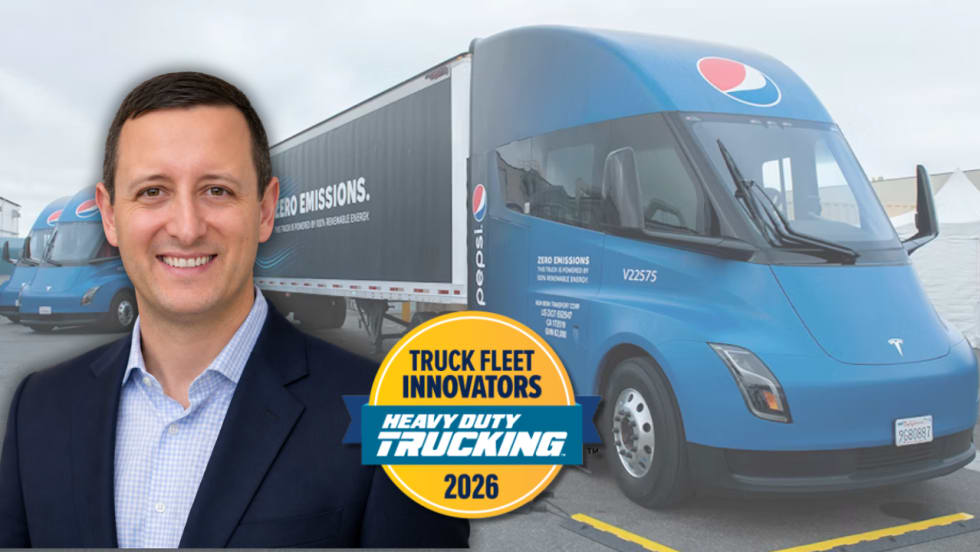
Adam Buttgenbach’s Approach to Electric Trucks: Start With Where They Fit
HDT Truck Fleet Innovator Adam Buttgenbach helped PepsiCo build one of North America’s largest EV fleets by focusing on where electric trucks make operational sense.
Read More →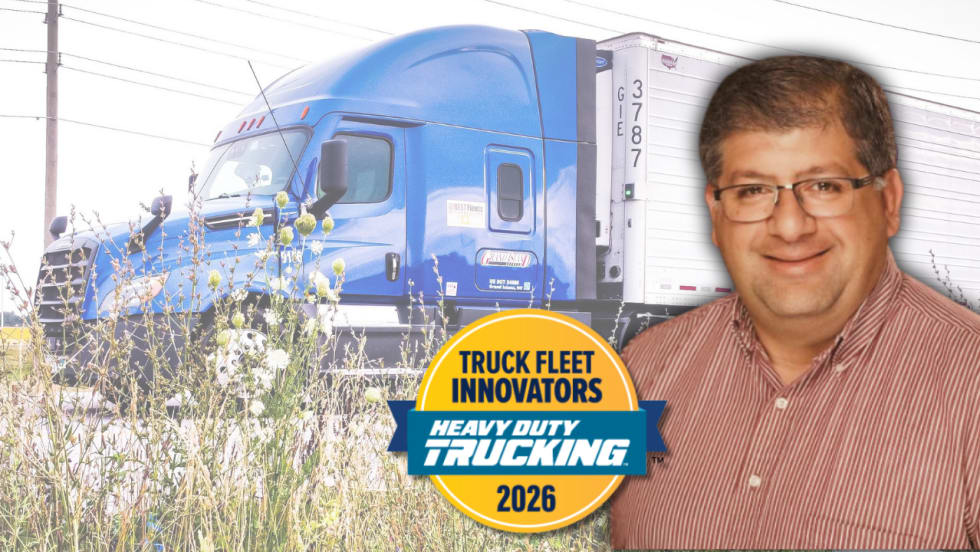
Deen Albert: Let Automation Do the Math, People Make the Decisions
HDT Truck Fleet Innovator Deen Albert makes sure people are still at the heart of operations at Grand Island Express, even while adopting artificial intelligence tools. AI-assisted dispatch helped boost revenue 25% with the same number of trucks.
Read More →
Trimble’s New AI Agent Takes Aim at Fleet Back-Office Busywork
Arc Agent works across Trimble TMS products to automate repetitive tasks such as freight orders, maintenance, invoices, fuel costs and more.
Read More →
How HDT’s 2026 Truck Fleet Innovators Are Rethinking Fleet Operations
Meet five trucking leaders who are challenging assumptions, solving operational problems, and putting innovative ideas to work.
Read More →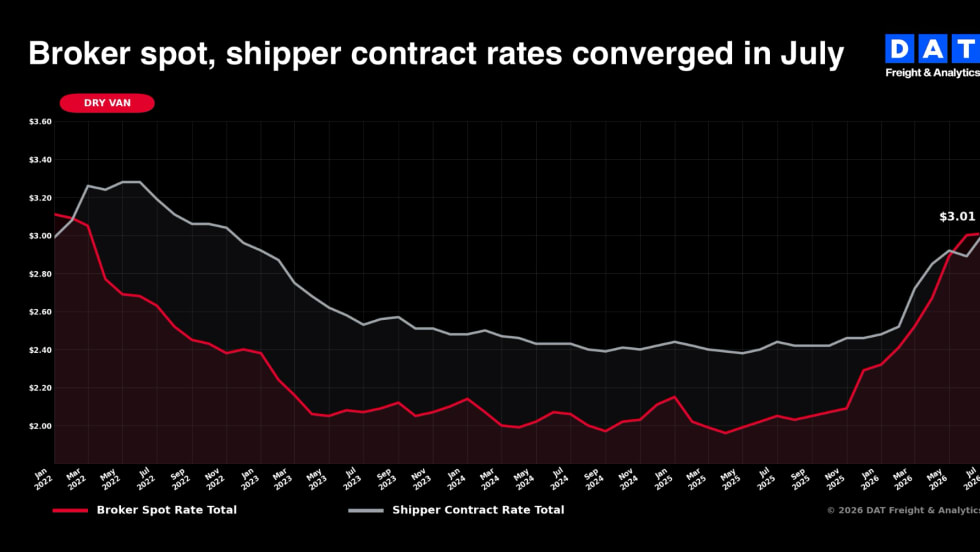
Tight Trucking Capacity Pushes Rates Higher Even as Freight Volumes Fall
“Spot rates moving ahead of contract rates have historically signaled a tightening market, but we haven’t seen a capacity-driven market quite like this one,” said DAT's Dean Croke.
Read More →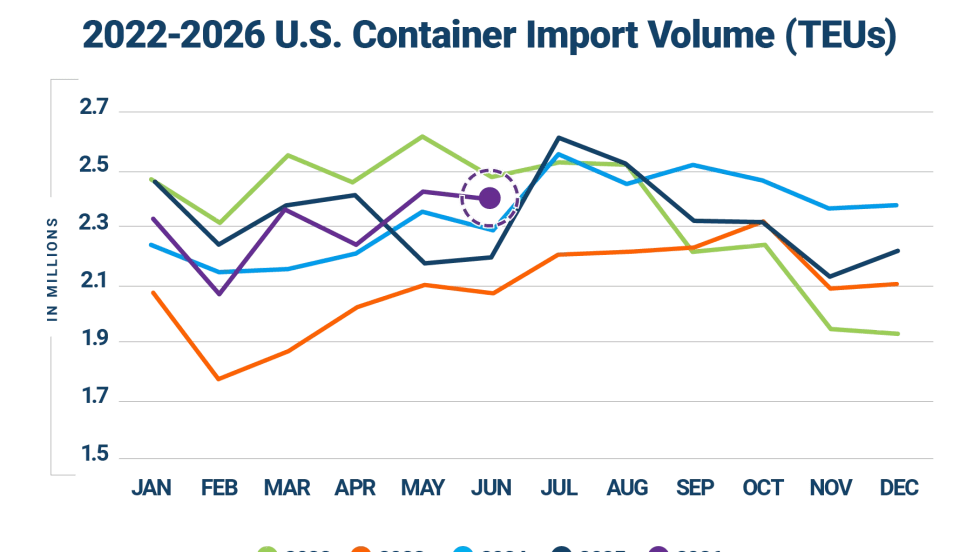
Import Cargo’s Early Peak Season is Winding Down
There was an early start to peak season this year at the nation's gateway ports, as retailers brought in merchandise ahead of tariff changes in late July and responded to other supply chain uncertainties,
Read More →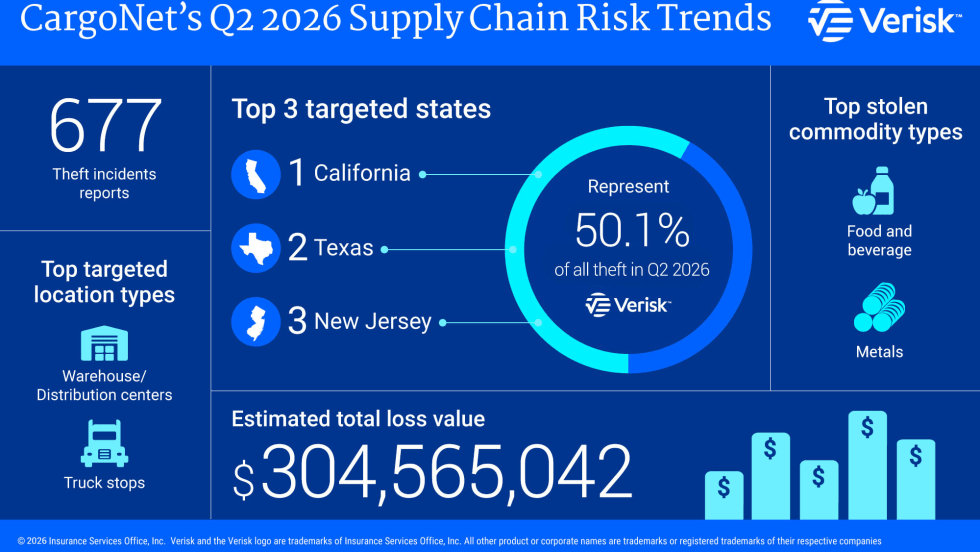
Fewer Cargo Thefts, Bigger Losses: Criminals Target Higher-Value Loads
CargoNet says organized theft rings are stealing fewer shipments but choosing more valuable freight, including metals and technology, resulting in record losses.
Read More →
How Innovative Trucking Leaders Turn Change Into an Advantage
As the pace of change accelerates in trucking, the fleets that adapt best have more than the latest technology. They have cultures that embrace improvement.
Read More →