




How to Maintain Heavy-Haul Trailers
Heavy-haul trailers see it all — rocks, ruts, bumps and jolts. It all translates to an increased risk of damage and it is vital that trailers are maintained properly.

Owners should always conduct a pre-trip inspection of the trailer and key wear parts before taking off with each load. This includes inspecting the frame, chains and straps for damage. Photos: Talbert Manufacturing
Heavy-haul trailers see it all — rocks, ruts, bumps, and jolts. It all translates to an increased risk of damage, so it's vital that trailers are maintained properly.
Troy Geisler, vice president of marketing and sales for Talbert Manufacturing, and Lloyd Hair, director of maintenance for Keen Transport, offer the following tips for proper heavy-haul trailer maintenance.
1. What are the key areas drivers should regularly inspect on heavy-haul trailers?
Talbert: Owners should conduct a pre-trip inspection of the trailer and key wear parts before taking off with each load. This includes looking at the brakes as well as ensuring the tires are in good condition and properly inflated to the right PSI. Also, check hydraulic hoses for damage or cracks, which could cause the system to fail if a leak occurs. When it comes to detachable and rear-load models, maintaining proper hydraulic pressure is important to keep in mind regardless of whether the system is self-contained or a wet line. This ensures proper operation of the components and reduces potential for overheating or other issues caused by low hydraulic fluid.
In addition, walk around the trailer and inspect the frame, chains and straps for damage. Trailers see a lot of use and abuse, particularly in harsher weather conditions, so repairs or replacements could be needed sooner rather than later. Keeping an eye on these components and replacing any that begin to show wear will help keep your trailer ready when you need it.
Keen Transport: It’s critical to establish a preventive maintenance program that includes lubrication intervals to prevent wear and ensure that the brakes and components operate correctly. A good maintenance program will reduce breakdowns and increase the life of the trailer.
Use dielectric grease on lighting connections, electrical components, lights and lighting harnesses to reduce corrosion.
Brakes, cams and slack adjusters need to be lubricated. Always refer to the manufacturer’s recommendations and grease guidelines.
Owners should also inspect their trailers for damage to the structure and make repairs as soon as possible to extend the life of the trailer.
2. Which parts wear fastest and how can fleet owners minimize or prevent this wear?
Talbert: Because of the sheer amount of use, parts such as wheel ends, tires and brakes will wear faster and need to be replaced sooner than other trailer components. But, there are things you can do to get the greatest longevity out of these features.
Keep wear components in mind when purchasing a trailer. Models made with high-quality materials and finishes will last longer than those with traditional paints and standard materials. Select units with high-strength steel, such as 12-inch-deep I-beams with a minimum yield strength of 100,000 PSI, for long-term durability. Choose a trailer with premium primer and topcoat finishes. Choosing quality from the beginning ensures you’ll have a trailer that looks great for years to come and will, as a result, have a higher resale value.
Keen Transport: Regularly check tire pressure and keep them properly inflated, either manually or with an automatic tire inflation system. Traveling with underinflated tires is one of the biggest culprits of premature wear, so keeping them properly inflated will allow them to last longer and boost fuel efficiency.
It’s just as important to replace tires when they become worn to avoid a blowout and downtime. Always select the right size and rating to ensure optimal performance and keep tire pressure equalized for the greatest longevity.
Talbert: Wheel-ends can also wear quickly and must stay lubricated to prevent gear oil leakage and ensure proper and safe operation.
Trailers haul some heavy loads, so it’s no wonder brakes are also among the top components that can wear the fastest. They take a beating and will need to be replaced depending on use.
To get the most longevity out of your trailer brakes, ensure you follow the right loading capacity for the trailer. Overloading or unbalancing loads will put added stress on the brakes, causing them to wear much faster. Proper loading techniques also go a long way toward preventing premature trailer wear, so be sure to follow the right recommendations for your type of trailer and equipment.
Hydraulic cylinders should also be fully retracted when not in use to minimize exposure of the stainless steel rams to the elements and maximize their longevity.

3. What should fleet owners keep in mind when implementing a preventive maintenance plan?
Keen Transport: One of the best ways to see a direct reflection of the success of your maintenance program is through the Commercial Vehicle Safety Alliance’s inspection program. The nonprofit organization scores commercial motor vehicles based on inspection procedures and CVSA criteria — the lower the number the better.
Trailer fleet owners should also match their equipment needs to a maintenance schedule. For example, will the trailer need to be on the road all the time or will it sit idle for longer periods of time? Developing a preventive maintenance program that aligns with an owner’s business needs will optimize longevity of trailers and their components. It also will enhance safety.
Get to know the trailer components and which ones work best for your operation. Manufacturers are usually happy to answer questions and provide the best recommendations based on your specific needs and applications.
Talbert: Proper recordkeeping is also important so you know when preventive maintenance is needed and what has already been done. This helps prevent any small issues from becoming larger headaches down the road. Putting proper procedures in place will keep appropriate personnel accountable for performing the maintenance when needed.
Trailer owners should also ensure anyone involved with any aspect of the trailer’s use has proper training, not only to prevent damage to the trailer, but also for their safety and the safety of others.
Keen Transport:Drivers and maintenance technicians should have open lines of communication in regard to trailer issues or required maintenance. This will ensure the right kind of maintenance is performed and that it’s done in a timely manner.
Having mechanics who are well-trained on maintaining heavy-haul trailers is a good way to ensure the maintenance your company is doing is the right type of maintenance.
About the Authors
Troy Geisler is the vice president of sales and marketing for Talbert Manufacturing. He has more than 10 years of experience in trailer sales, including three years with Talbert. Troy earned a bachelor’s degree from Purdue University in West Lafayette, Indiana.
Lloyd Hair is the director of maintenance for Keen Transport, a heavy-haul logistic and transportation service provider.
This article was authored under the guidance and editorial standards of HDT’s editors to provide useful information to our readers.
More Maintenance
Will API PC-12 Oil Change Trucking Fleet Maintenance?
The new API PC-12 heavy-duty engine oil category reflects the changing demands of modern diesel engines. But fleets like Foodliner are looking to getting their own data before making decisions on adopting the new oils and questions such as extending oil drain intervals.
Read More →
Brake Safety Week to Focus on Drums and Rotors
Commercial vehicle inspectors will be focusing on brakes during CVSA's Brake Safety Week, August 23-29.
Read More →
Possible Battery-Cable Fires Prompt Recall of 15,000+ International MV and HV Trucks
On the recalled vehicles, manufacturing variations can cause the battery interconnect cable to contact the auxiliary stud and hold down the bracket.
Read More →
Rush, MCT Team Up to Grow Refrigeration Service Network
The joint venture will operate MCT's network of Carrier Transicold dealerships and mobile service locations, with the companies promising greater service capacity and uptime for refrigerated fleets.
Read More →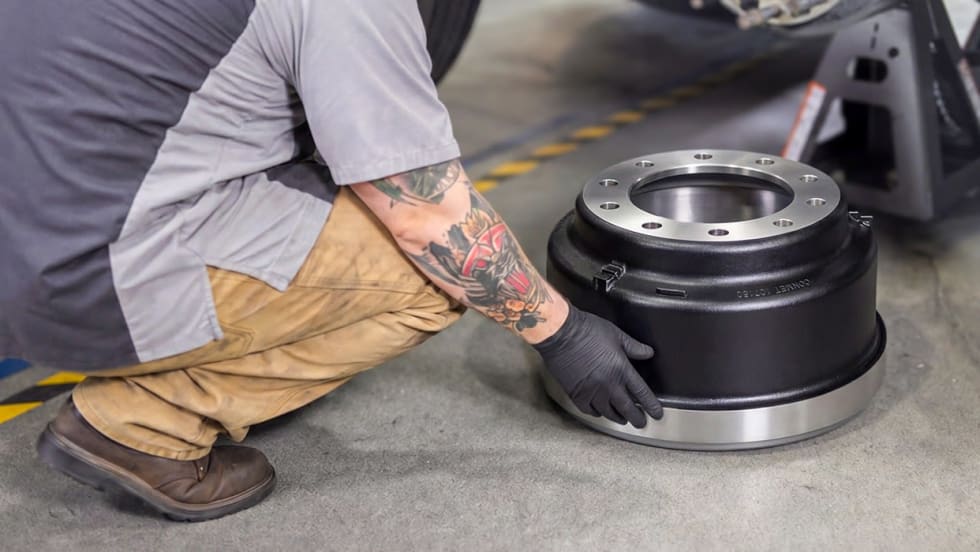
ConMet Expands Aftermarket Brake Drum Lineup With TruCast
A new heavy-duty truck brake drum option in the aftermarket gives customers more flexibility within the ConMet product family.
Read More →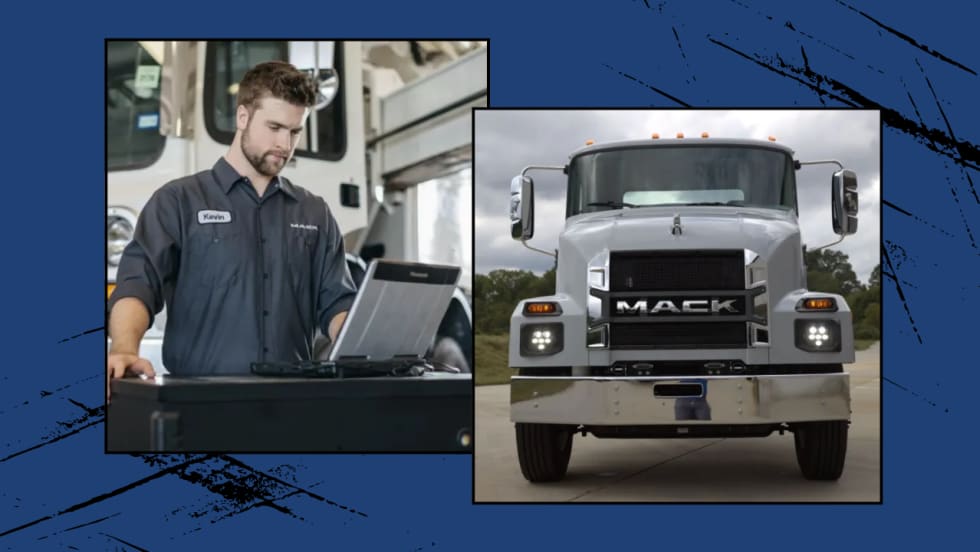
Mack Expands Premium Service Contract Coverage to Medium-Duty MD
With a service contract, inspections, preventive maintenance and repairs can be handled in a single visit instead of multiple ones.
Read More →
Maintenance in the Messy Middle Part 5: Battery-Electric Trucks
No oil changes. No diesel exhaust fluid. No exhaust aftertreatment. But NACFE battery-electric trucks still require specialized maintenance procedures.
Read More →
Trucking Fleets Faced Record Operating Costs During Third Year of Freight Recession
ATRI's annual operational cost report shows carriers trimmed fleets, delayed equipment purchases, and ran older trucks as expenses continued to outpace freight rates.
Read More →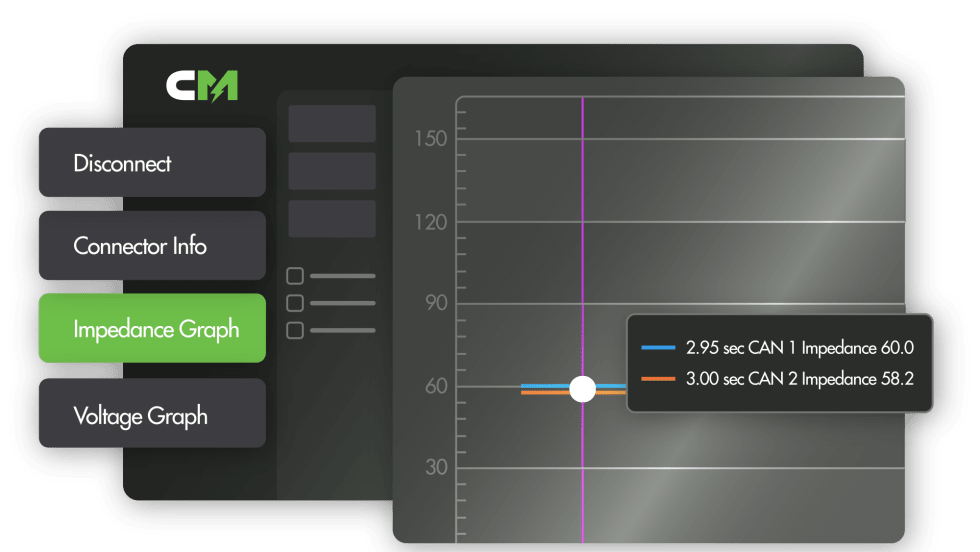
Noregon Launches CAN Mentor to Simplify Vehicle Network Diagnostics
New Noregon software helps technicians identify CAN network issues without requiring advanced diagnostic equipment or specialized training.
Read More →
Maintenance in the Messy Middle Part 4: Renewable Natural Gas
The keys to running renewable natural gas as a fleet fuel depend on specialized technician training, rigorous inspection schedules and an understanding of high-pressure fuel systems.
Read More →