




For a more in-depth explanation of the issue: ATA asks FMCSA to Eliminate Tire Underinflation Violation
FMCSA Denies ATA Petition Regarding Truck Tire Inflation Rules
The Federal Motor Carrier Safety Administration denied a petition filed by the American Trucking Associations that would remove a provision of the Federal Motor Carrier Safety Regulations regarding tire inflation.
by Staff
September 18, 2017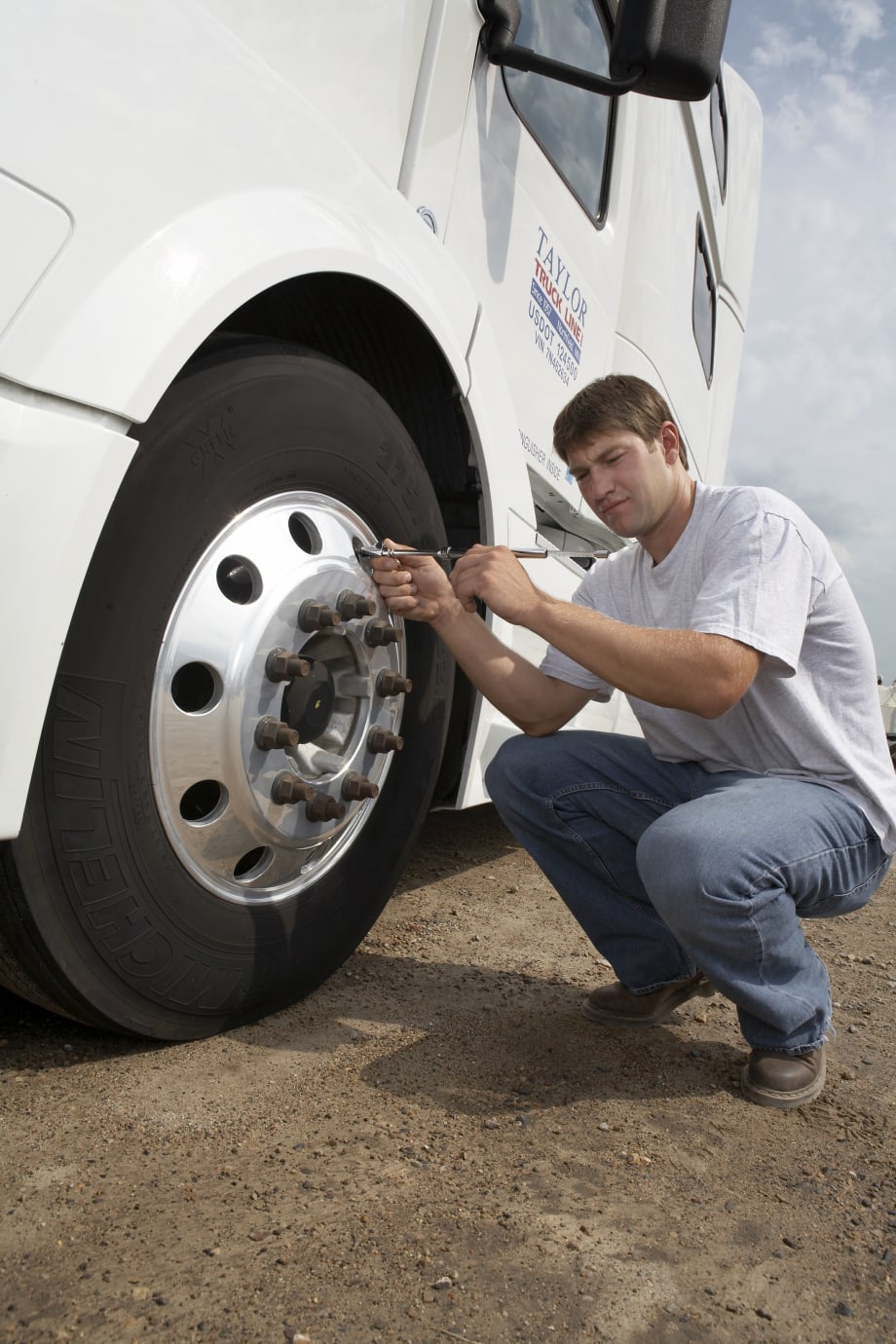
Photo: Michelin
2 min to read

Photo: Michelin
The Federal Motor Carrier Safety Administration has denied a petition filed by the American Trucking Associations that seeks to remove a provision of the Federal Motor Carrier Safety Regulations regarding tire inflation. However, the agency said it will work with the Commercial Vehicle Safety Alliance to address the group's concerns when it comes to enforcement of the rule.
According to Fleet Maintenance & Technology, the publication of ATA's Technology & Maintenance Council, ATA had filed the petition to remove 49 CFR 393.75(h), "Tire inflation pressure," in January 2014.
The filing was based on input from TMC, which found that determining tire underinflation during a roadside inspection to be a nearly impossible task for law enforcement, given the complexity of the many issues surrounding inflation, such as tire pressure and vehicle load.
The petition asked to amend the rules so that underinflated tires would only be cited for violating 393.75(a)(3), which pertains to running flat or having an audible leak.
ATA said the regulation as currently written doesn't say what the tire pressure is when a tire is considered to be flat or underflated -- only that the vehicle should not be operated when the tire pressure is less than that specified for the load being carried. In 2011, CVSA asked TMC to define "underinflation," but the group was unable to reach a consensus.
"I can't determine what the load on the tire is, I don't know how long it has been running, or even how long it might have been sitting still at the scale waiting for an inspection," said Keri Wirachowsky, enforcement officer with Ontario’s Ministry of Transportation. She raised the point at a TMC meeting during an S.2 Task Force session exploring alternatives to the current regulation.
FMCSA said it agreed with ATA that proper measurement of tire inflation pressure during a roadside inspection is dependent on many factors that are difficult to apply consistently and uniformly, but it did not think eliminating the problem section of the rules was the answer.
Instead, FMCSA said it will work with CVSA's Vehicle Committee to ensure roadside inspection officials are properly trained and aware of established regulatory guidance.
"Practically speaking, vehicle operators should not receive a violation for underinflated tires at roadside," explained Robert Braswell, TMC executive director, in the article, "because CVSA has stated officially in its inspector guidelines that '393.75(h) should not be written for an underinflated tire. A violation of 393.75(f) should only be written when the opporutity to weigh a vehicle is present, and the weight on the tire exceeds the tire load carrying capacity (as printed on the sidewall of the tire.')"
More Maintenance
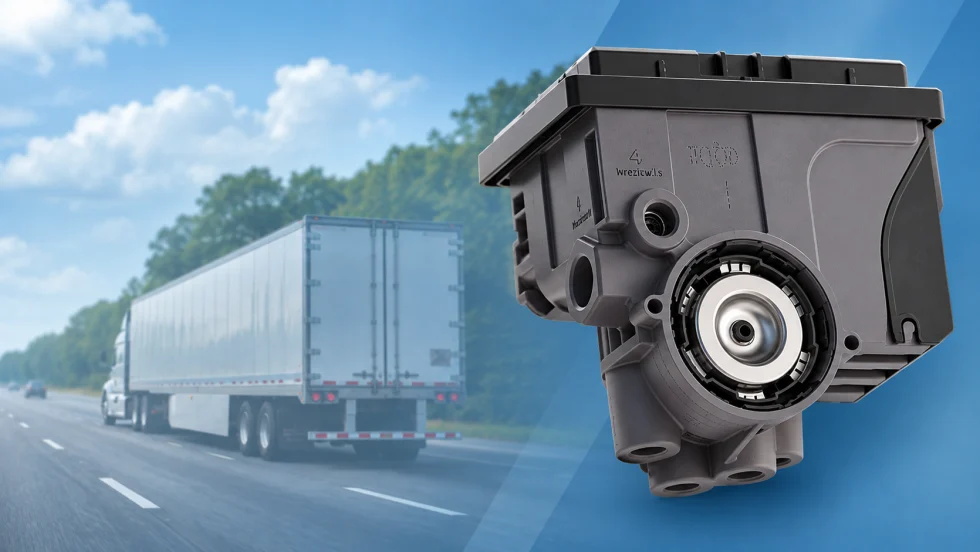
Bendix Upgrades Trailer ABS With Smarter Diagnostics
The new iTABS X system replaces Bendix's TABS-6 Standard trailer ABS, adding faster diagnostics and connectivity that could help fleets identify brake-system problems before they lead to downtime.
Read More →
CVSA Sets 2027 International Roadcheck Dates
The annual 72-hour truck inspection blitz will take place May 11–13 across North America. Here's what fleets can expect and what inspectors found during the 2026 event.
Read More →
What Trucking Events are Happening in 2027?
Looking for trucking-related conventions, expos, and other events? Heavy Duty Trucking has developed this list of national and larger regional trucking shows and events.
Read More →

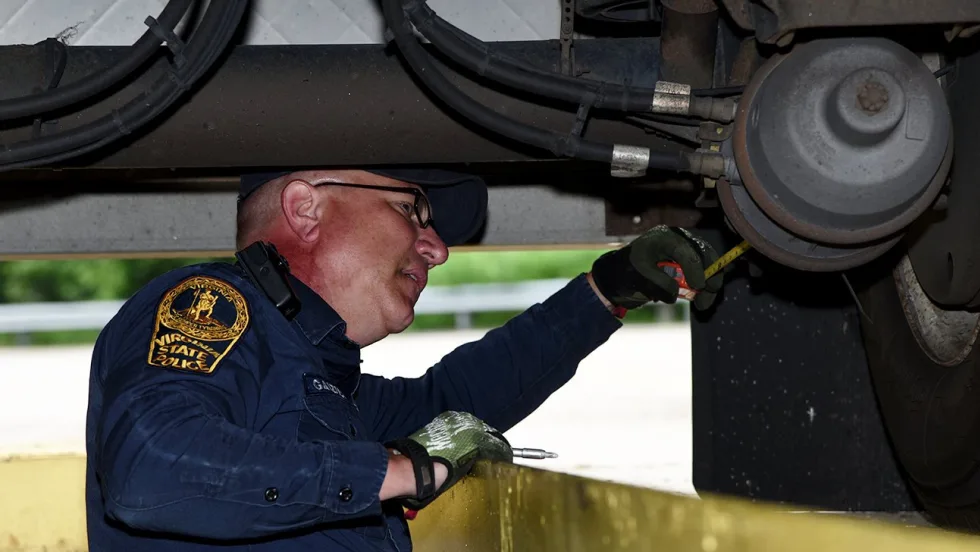
Brake Problems Sideline 15% of Inspected Trucks
During CVSA's 2026 Brake Safety Week, inspectors placed nearly 2,400 commercial vehicles out of service for brake violations, including problems with defective brakes, hoses, drums and rotors.
Read More →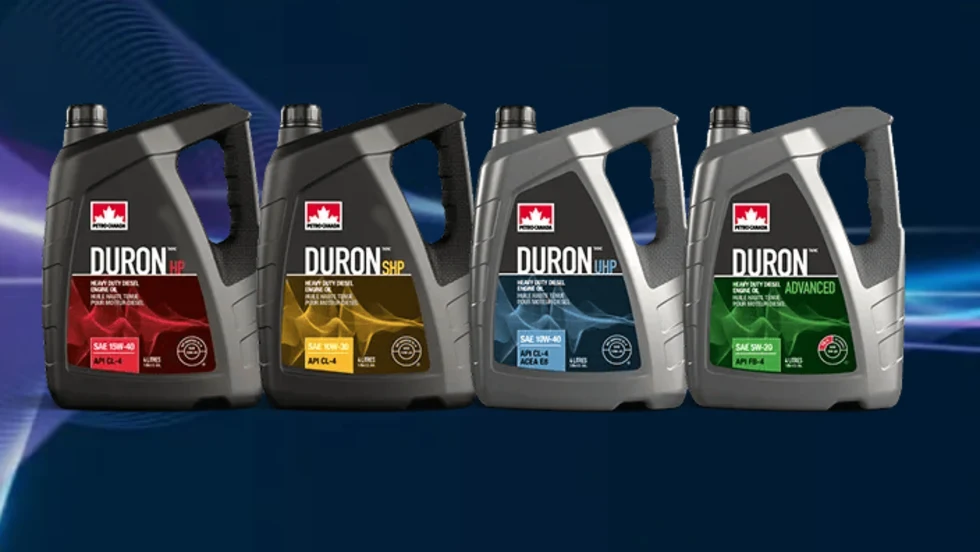
Sponsored•November 6, 2026
Unlocking the performance advantages of PC-12
2027 will mark the arrival of a new generation of heavy-duty engine oils. PC-12 reflects how far engine design has advanced and the demands that progress places on heavy-duty lubricants. Here’s what the transition means to your fleet.
Read More →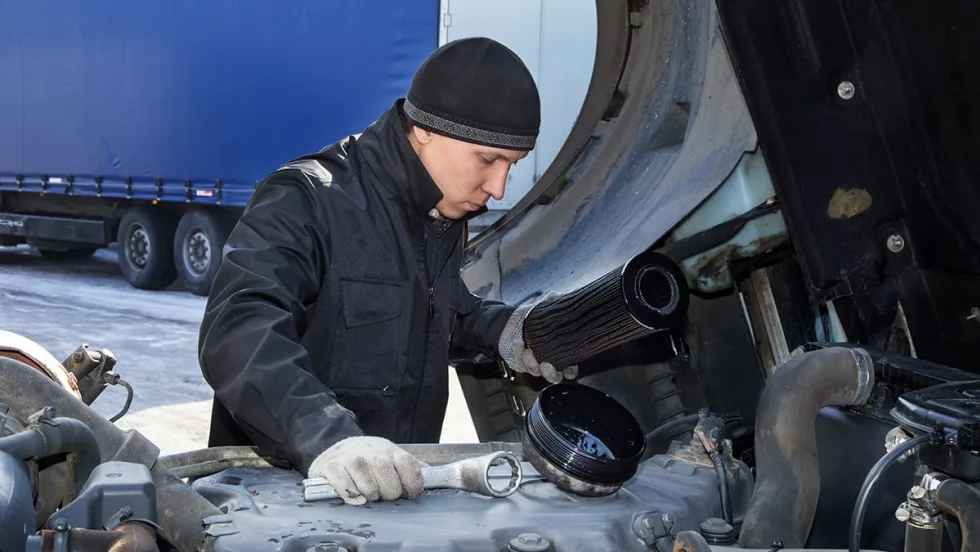
Sponsored•November 3, 2026
6 Tips for Troubleshooting Cold-Weather Truck Problem: Don't Guess, Diagnose it
Cold weather can expose hidden truck problems. Discover six practical troubleshooting tips to pinpoint the cause, avoid unnecessary repairs and keep trucks on the road.
Read More →
How GP Transco Builds Fuel Savings a Fraction at a Time
Aerodynamic specs, solar panels, and driver incentives help GP Transco turn small efficiency gains into savings it can reinvest in its people.
Read More →
Oil Crisis Squeezes Trucking Lubricant Supplies
Fleets report higher lubricant costs as Middle East disruptions tighten supplies of ingredients used in synthetic engine oils and some driveline lubricants.
Read More →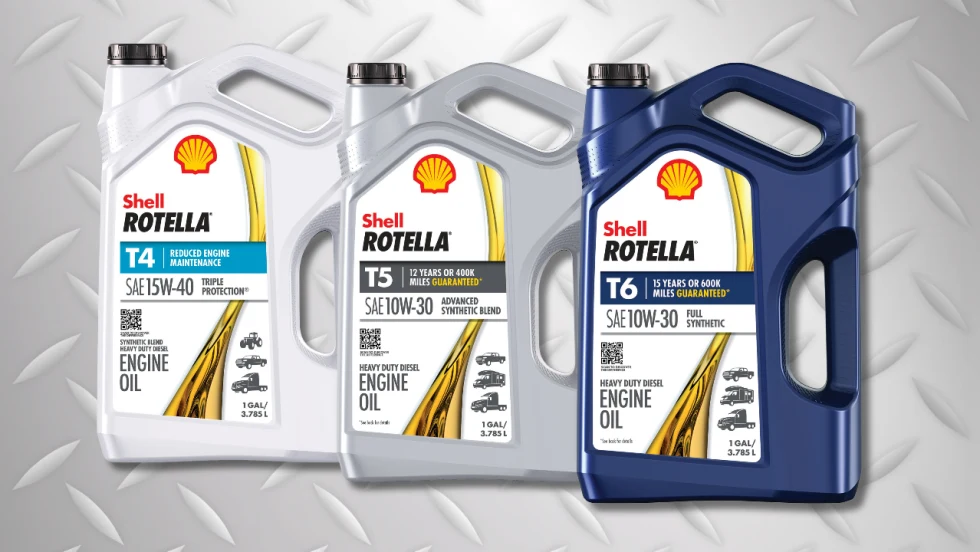
Shell Prepares Rotella Oils for 2027
New CL-4 and FB-4 formulations will begin arriving in early 2027, with improved protection against oil breakdown, wear and deposits, according to Shell.
Read More →
Mack Expands Extended Coverage With Four Chassis System Plans
Mack Trucks' new system-specific coverage options allow heavy-duty fleets to select protection for driveline, cab, HVAC, electronics, and advanced safety components.
Read More →