




Infrastructure Funding Bill: Let the States Pay
Two Republicans on Capitol Hill have re-introduced a controversial bill taking a radical approach to the issue of highway funding -- handing responsibility for infrastructure over to the states.

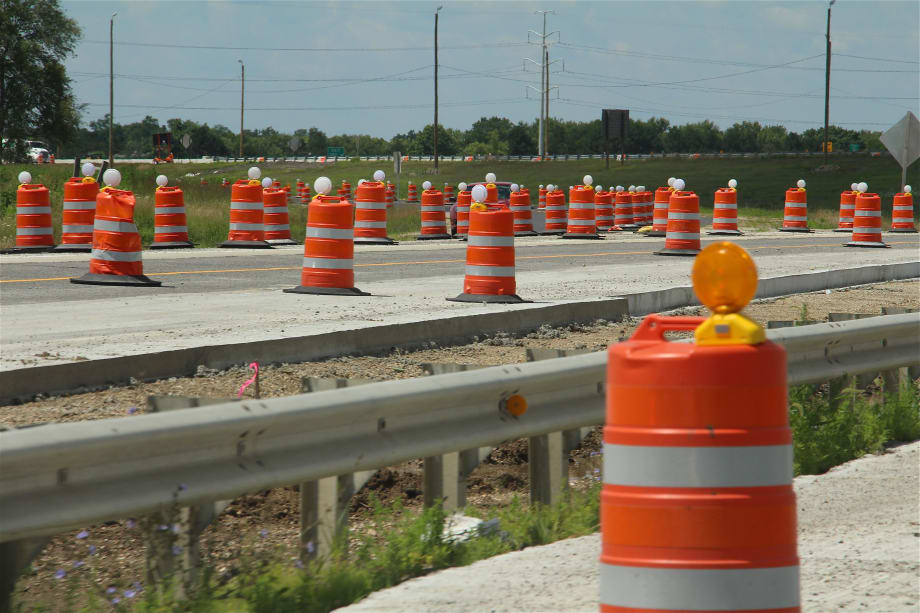
Photo: Evan Lockridge
Photo: Evan Lockridge
Two Republicans on Capitol Hill have re-introduced a controversial bill taking a radical approach to the issue of highway funding -- handing responsibility for infrastructure over to the states.
The Transportation Empowerment Act (TEA), filed in both chambers of Congress by Sen. Mike Lee (R-Utah) and Rep. Ron DeSantis (R-Fla.), would lower the gas tax from 18.4 cents per gallon to 3.7 cents over five years.
At the same time, it would transfer authority over federal highways and transit programs to states and replace congressional appropriations with block grants.
“By cutting out the bureaucratic middle man in Washington, states will be able to keep more of their infrastructure dollars at home where they belong and they will be able to avoid the costly and often duplicative federal regulations that can bring any infrastructure project to a screeching halt,” Lee said in a press release.
The concept, known as “devolution,” is popular with conservatives who say road and transit infrastructure should be left up to states.
Opponents believe the federal government is best suited to handle transportation infrastructure that runs between states, like highways.
On his website, in talking about the bill, Lee focuses on the local commute, but does not address how the bill might affect interstate commerce and travel.
"It aims to open up America’s transportation system to greater local control, better targeted projects, and a more efficient way to maintain and improve the nation’s infrastructure. The bill allows states to respond to the needs of their communities and develop systems that result in less traffic, shorter commutes, access to more affordable homes, and will help families better manage the work-life balance."
It's not the first time this approach has been broached on Capitol Hill. A bill introduced under the same name last year would have done the same. Although the sponsors were different, the concept is the same.
American Trucking Associations and its allies in response to that bill called devolution "abandonment by Congress of its constitutional obligation to promote interstate commerce," saying it "would prove disastrous to state and local governments’ ability to maintain and improve their transportation systems.
Current highway funding legislation expires July 31, after a two-month extension was passed at the end of May -- the 33rd legislative patch slapped into place by Congress to keep road projects funded since 2008.
More Fleet Management

How Telematics Improves Visibility, Control, and Performance in Refrigerated Fleets
Explore how telematics help refrigerated fleets improve visibility, uptime, efficiency, compliance, and cargo protection across connected cold chain operations.
Read More →
What the U.S.-Canada Trade War Means for Trucking
Escalating U.S.-Canada tariffs could disrupt cross-border freight, reduce truck volumes, raise costs, and create new uncertainty for carriers on both sides of the border.
Read More →
What Are Trucking’s Top Concerns for 2026?
The American Transportation Research Institute wants to know what's worrying trucking fleet managers, drivers, and other stakeholders in its annual Industry Issues survey.
Read More →

American Trucking Associations Looks for a New Leader
ATA President and CEO Chris Spear abruptly left his job at the association on August 21, at a pivotal time for the trucking industry.
Read More →
Public Wi-Fi Cybersecurity Risks: How Truck Drivers and Fleets Can Protect Their Data
Public Wi-Fi can expose truck drivers and fleets to credential theft, malware, and other cyber threats. Here’s how to reduce the risk on the road.
Read More →
For Nicky Cupp, Fleet Innovation Starts With Frustration
HDT Truck Fleet Innovator Nicky Cupp turns everyday pain points at Fraley & Schilling into opportunities for better technology and smarter processes.
Read More →
Adam Buttgenbach’s Approach to Electric Trucks: Start With Where They Fit
HDT Truck Fleet Innovator Adam Buttgenbach helped PepsiCo build one of North America’s largest EV fleets by focusing on where electric trucks make operational sense.
Read More →
Deen Albert: Let Automation Do the Math, People Make the Decisions
HDT Truck Fleet Innovator Deen Albert makes sure people are still at the heart of operations at Grand Island Express, even while adopting artificial intelligence tools. AI-assisted dispatch helped boost revenue 25% with the same number of trucks.
Read More →
Trimble’s New AI Agent Takes Aim at Fleet Back-Office Busywork
Arc Agent works across Trimble TMS products to automate repetitive tasks such as freight orders, maintenance, invoices, fuel costs and more.
Read More →
How HDT’s 2026 Truck Fleet Innovators Are Rethinking Fleet Operations
Meet five trucking leaders who are challenging assumptions, solving operational problems, and putting innovative ideas to work.
Read More →