




Infrastructure Funding Bill: Let the States Pay
Two Republicans on Capitol Hill have re-introduced a controversial bill taking a radical approach to the issue of highway funding -- handing responsibility for infrastructure over to the states.


Photo: Evan Lockridge

Photo: Evan Lockridge
Two Republicans on Capitol Hill have re-introduced a controversial bill taking a radical approach to the issue of highway funding -- handing responsibility for infrastructure over to the states.
The Transportation Empowerment Act (TEA), filed in both chambers of Congress by Sen. Mike Lee (R-Utah) and Rep. Ron DeSantis (R-Fla.), would lower the gas tax from 18.4 cents per gallon to 3.7 cents over five years.
At the same time, it would transfer authority over federal highways and transit programs to states and replace congressional appropriations with block grants.
“By cutting out the bureaucratic middle man in Washington, states will be able to keep more of their infrastructure dollars at home where they belong and they will be able to avoid the costly and often duplicative federal regulations that can bring any infrastructure project to a screeching halt,” Lee said in a press release.
The concept, known as “devolution,” is popular with conservatives who say road and transit infrastructure should be left up to states.
Opponents believe the federal government is best suited to handle transportation infrastructure that runs between states, like highways.
On his website, in talking about the bill, Lee focuses on the local commute, but does not address how the bill might affect interstate commerce and travel.
"It aims to open up America’s transportation system to greater local control, better targeted projects, and a more efficient way to maintain and improve the nation’s infrastructure. The bill allows states to respond to the needs of their communities and develop systems that result in less traffic, shorter commutes, access to more affordable homes, and will help families better manage the work-life balance."
It's not the first time this approach has been broached on Capitol Hill. A bill introduced under the same name last year would have done the same. Although the sponsors were different, the concept is the same.
American Trucking Associations and its allies in response to that bill called devolution "abandonment by Congress of its constitutional obligation to promote interstate commerce," saying it "would prove disastrous to state and local governments’ ability to maintain and improve their transportation systems.
Current highway funding legislation expires July 31, after a two-month extension was passed at the end of May -- the 33rd legislative patch slapped into place by Congress to keep road projects funded since 2008.
More Fleet Management
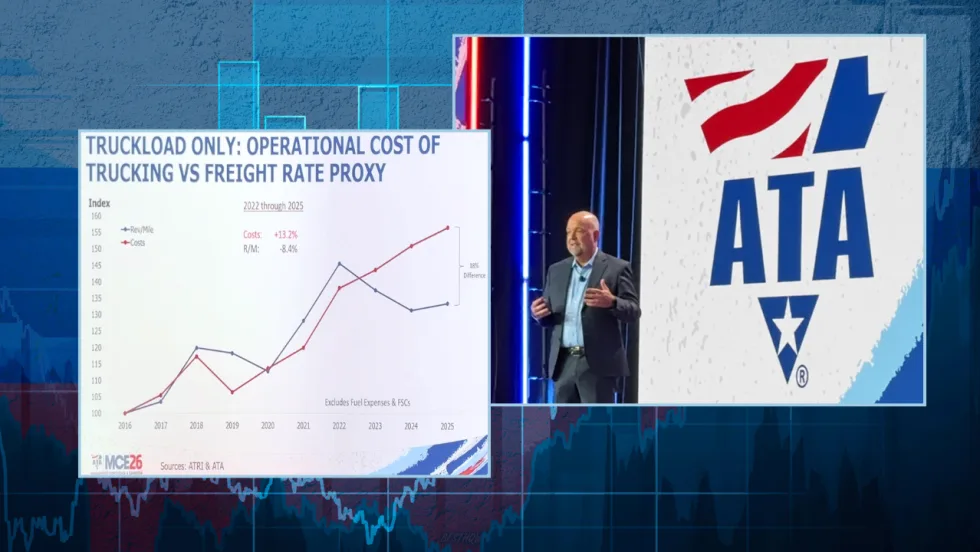
Why This Trucking Recovery Is Different
Freight demand remains sluggish, but rising costs and tougher enforcement have taken enough capacity out of the market to change the outlook for motor carriers.
Read More →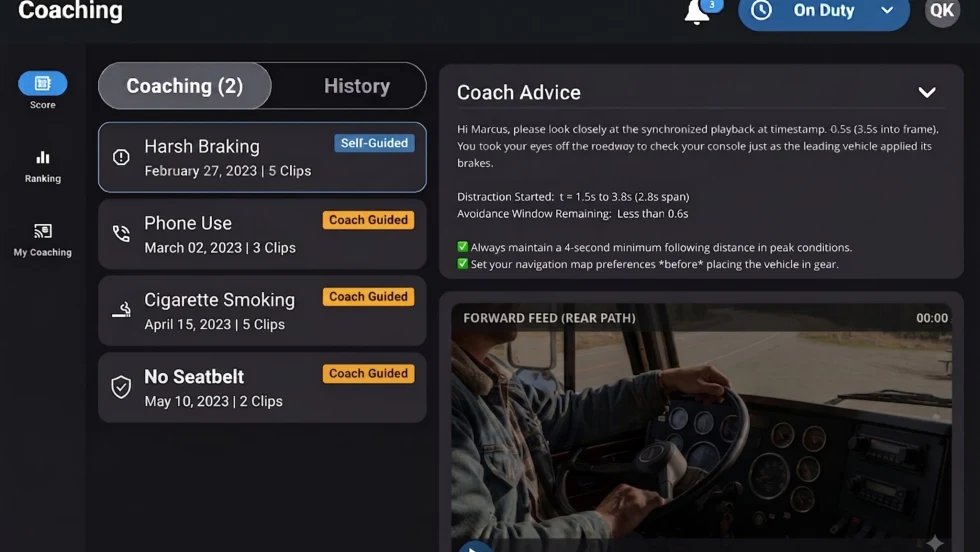
Platform Science Adds Dispatch and Safety Tools
Four additions to PS Fleet help fleets monitor loads, manage driver coaching, share truck locations and adjust video system settings.
Read More →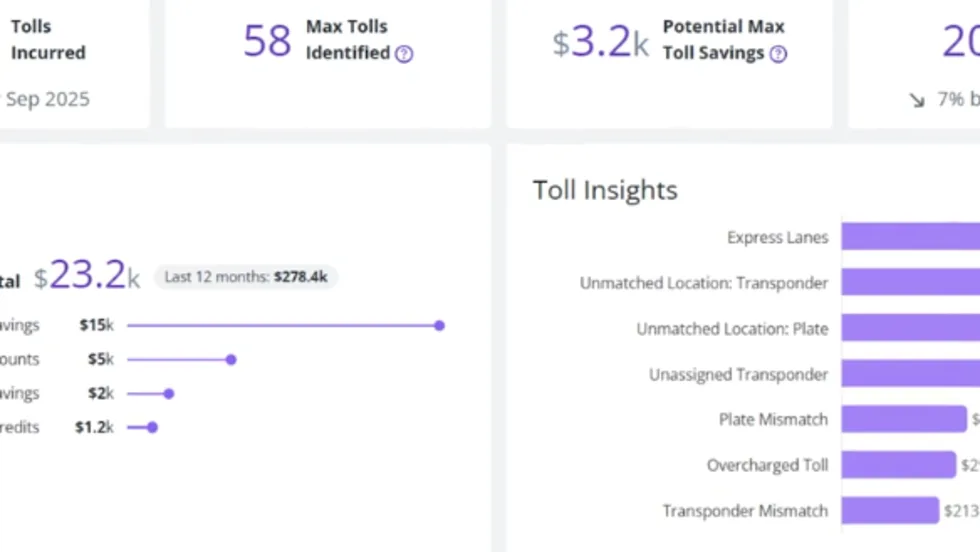
PrePass Intelligence Mines Fleet Bypass, Toll and Safety Data
PrePass Intelligence helps fleets measure bypass savings, flag potential toll overcharges, and spot suspicious transactions by combining data from separate systems.
Read More →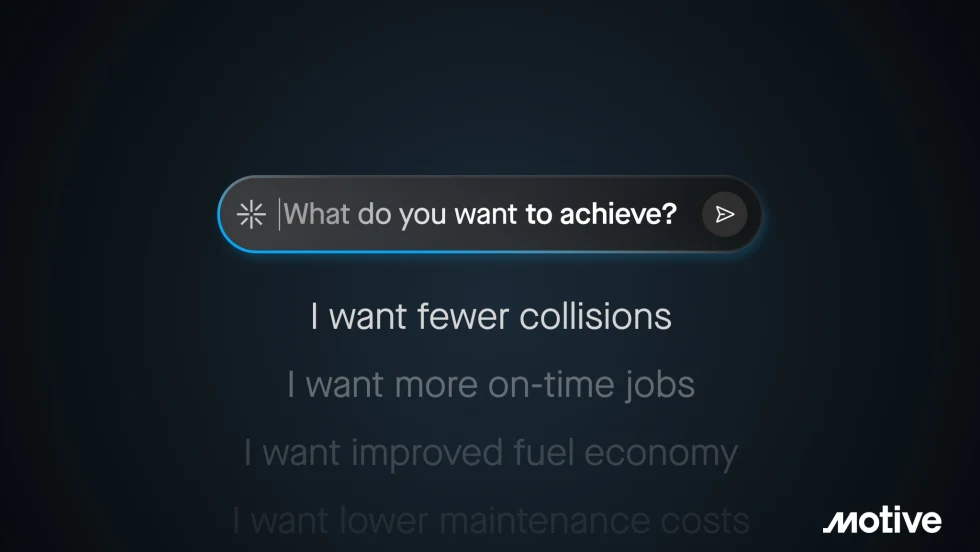
Motive Adds AI Agents for Fleet Operations
New tools automate follow-up on fleet data, from maintenance work orders to driver alerts, with two-way voice conversations planned for later this year.
Read More →
Can You Beat Our Trucking Trivia Challenge?
Test your truck knowledge with 19 trivia questions from Heavy Duty Trucking Exchange. Can you keep up with the fleet pros?
Read More →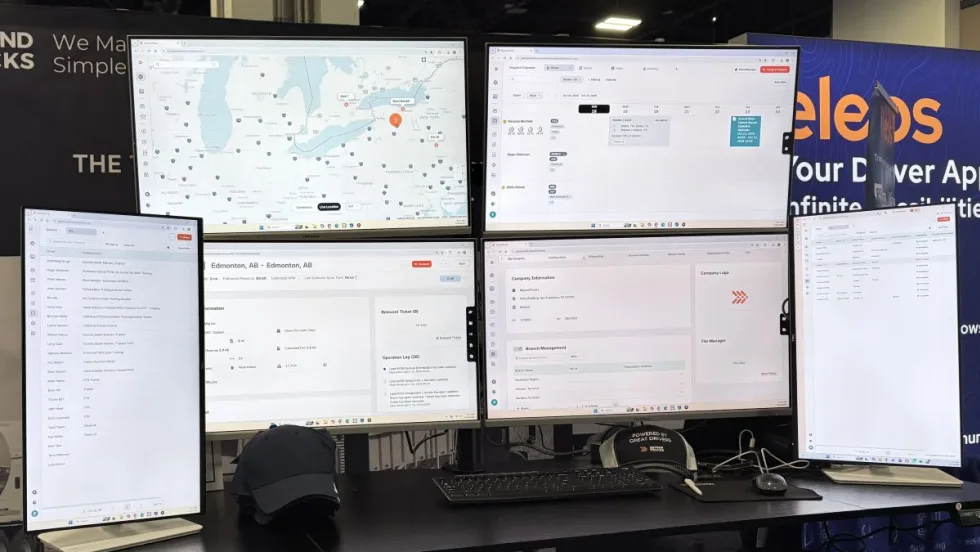
BeyondTrucks Adds Rules Checks to Dispatch
New Compatibility Engine checks driver qualifications, equipment requirements and fleet policies before loads are dispatched.
Read More →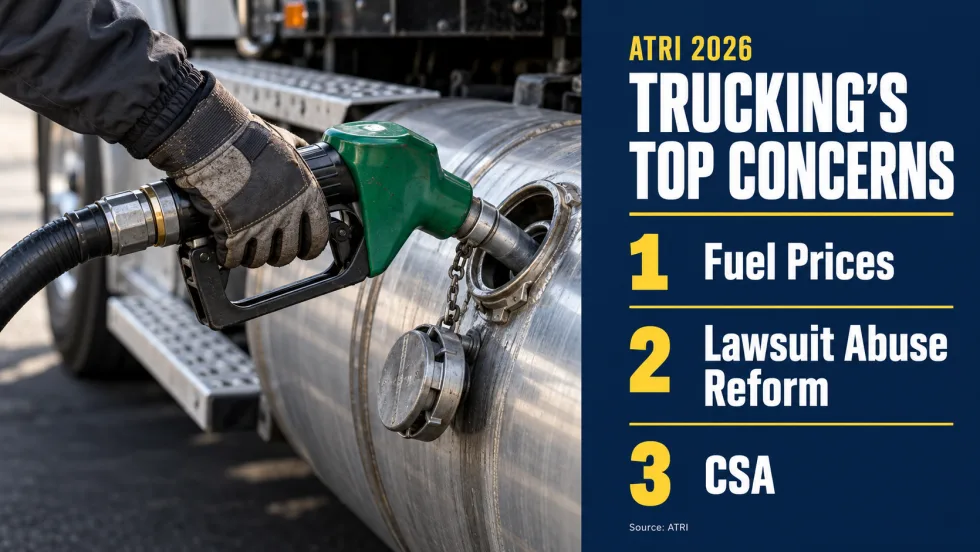
Diesel Prices Hijack Trucking’s Worry List
ATRI’s annual survey finds cautious optimism about freight, but diesel costs, litigation, and insurance continue to squeeze fleets. Drivers have different priorities on several issues.
Read More →
Nomination Deadline Extended for HDT Emerging Leaders
Just a few more days to nominate accomplished trucking fleet professionals under 40 who are making an impact and helping lead the industry forward for the HDT Emerging Leaders award. Deadline extended to October 20!
Read More →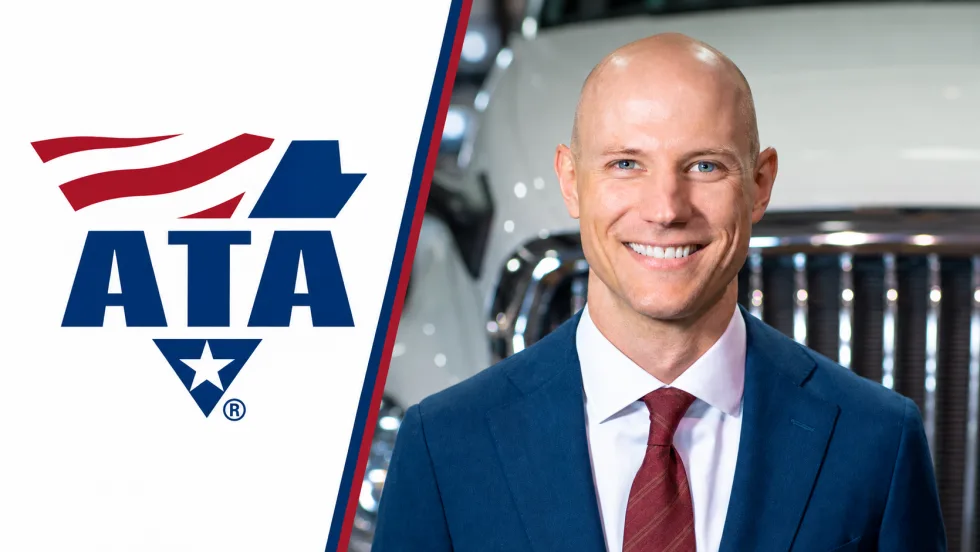
What Will ATA’s New Leader Bring to Trucking's Table?
Incoming President and CEO Mark Colson’s record in Alabama offers clues about his priorities and approach following Chris Spear’s abrupt departure as the head of the American Trucking Associations.
Read More →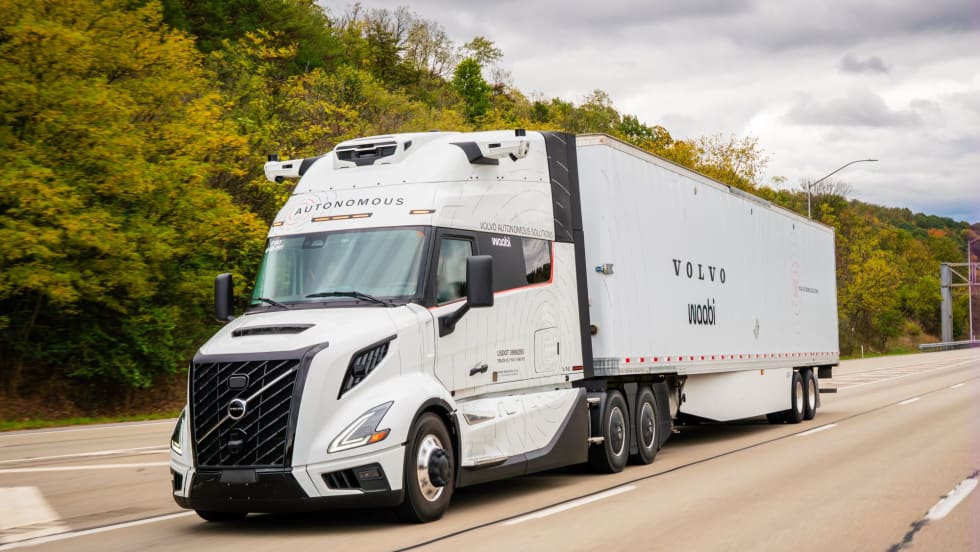
Volvo, Waabi Start Commercial Autonomous Operations in Texas
Volvo VNL Autonomous trucks, powered by the Waabi Driver, are hauling freight directly to third-party facilities for a customer in Texas.
Read More →