





Related: Heavy Duty Trucking Names 2015 Truck Fleet Innovators
Mixer-Truck Drivers Exempted from HOS Break Rule
Drivers of ready-mix concrete trucks have been granted a limited exemption from the minimum 30-minute rest break provision of the hours-of-service regulations by the FMCSA.
April 6, 2015
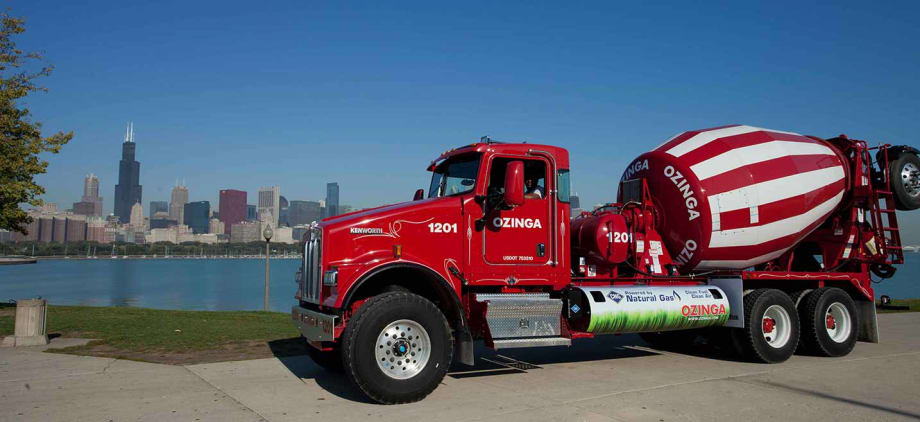
Photo:Ozinga Ready Mix Concrete
2 min to read

Photo:Ozinga Ready Mix Concrete
Drivers of ready-mix concrete trucks have been granted a limited exemption from the minimum 30-minute rest break provision of the hours-of-service regulations by the Federal Motor Carrier Safety Administration.
The exemption went into effect last week, on April 2, and will be in place through April 3, 2017 for mixer truck drivers who possess a sufficient safety rating with both FMSCA and its CSA safety-compliance program.
Under the terms and conditions of the exemption, drivers operating ready-mixed concrete trucks may use 30 minutes or more of on-duty ‘‘waiting time’’ to satisfy the requirement for the 30 minute rest break, provided they do not perform any other work during the break, FMCSA stated in its Federal Register notice.
The agency noted that this exemption affords “these drivers the same regulatory flexibility that 49 CFR 395.1(q) provides for drivers transporting explosives.”
The National Ready Mixed Concrete Association led the effort to obtain the exemption. “As a result of NRMCA’s efforts, much needed regulatory relief has been realized for the ready mixed concrete industry,” said NRMCA chairman Allen Hamblen.
Although the association welcomed the news, it cautioned that “the exemption as written is still only temporary” and making it permanent will “involve convincing members of Congress.”
NRMCA also pointed out that details of the exemption include language stating that if a driver passes the 12-hour threshold contained in the 100 air-mile logging exemption, he or she does not have to take the break, but rather can apply a previous 30-minute “waiting time” period toward the 30-minute break.
In addition, drivers utilizing the exemption must keep a copy of the exemption document in their truck.
More Fleet Management

Sponsored•September 1, 2026
How Telematics Improves Visibility, Control, and Performance in Refrigerated Fleets
Explore how telematics help refrigerated fleets improve visibility, uptime, efficiency, compliance, and cargo protection across connected cold chain operations.
Read More →
What the U.S.-Canada Trade War Means for Trucking
Escalating U.S.-Canada tariffs could disrupt cross-border freight, reduce truck volumes, raise costs, and create new uncertainty for carriers on both sides of the border.
Read More →
What Are Trucking’s Top Concerns for 2026?
The American Transportation Research Institute wants to know what's worrying trucking fleet managers, drivers, and other stakeholders in its annual Industry Issues survey.
Read More →

American Trucking Associations Looks for a New Leader
ATA President and CEO Chris Spear abruptly left his job at the association on August 21, at a pivotal time for the trucking industry.
Read More →
Public Wi-Fi Cybersecurity Risks: How Truck Drivers and Fleets Can Protect Their Data
Public Wi-Fi can expose truck drivers and fleets to credential theft, malware, and other cyber threats. Here’s how to reduce the risk on the road.
Read More →
For Nicky Cupp, Fleet Innovation Starts With Frustration
HDT Truck Fleet Innovator Nicky Cupp turns everyday pain points at Fraley & Schilling into opportunities for better technology and smarter processes.
Read More →
Adam Buttgenbach’s Approach to Electric Trucks: Start With Where They Fit
HDT Truck Fleet Innovator Adam Buttgenbach helped PepsiCo build one of North America’s largest EV fleets by focusing on where electric trucks make operational sense.
Read More →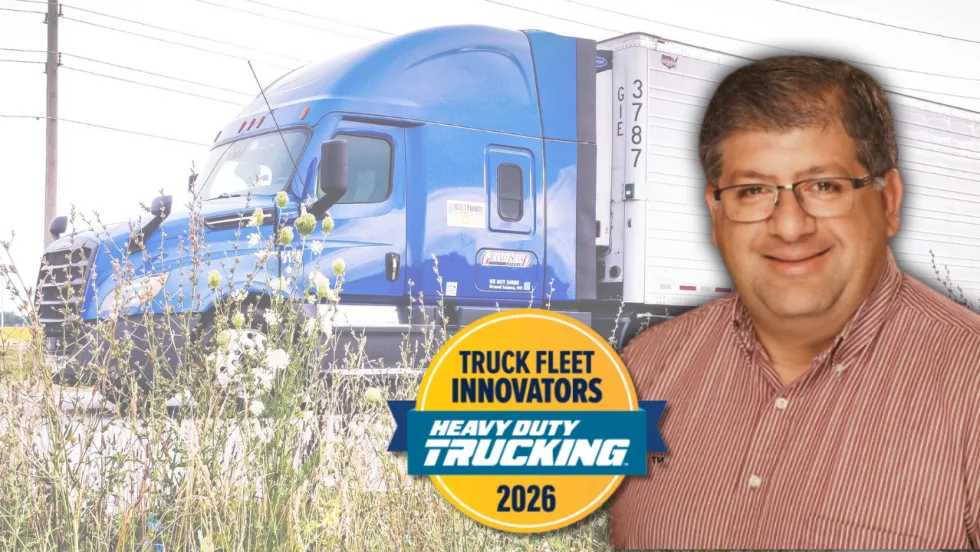
Deen Albert: Let Automation Do the Math, People Make the Decisions
HDT Truck Fleet Innovator Deen Albert makes sure people are still at the heart of operations at Grand Island Express, even while adopting artificial intelligence tools. AI-assisted dispatch helped boost revenue 25% with the same number of trucks.
Read More →
Trimble’s New AI Agent Takes Aim at Fleet Back-Office Busywork
Arc Agent works across Trimble TMS products to automate repetitive tasks such as freight orders, maintenance, invoices, fuel costs and more.
Read More →
How HDT’s 2026 Truck Fleet Innovators Are Rethinking Fleet Operations
Meet five trucking leaders who are challenging assumptions, solving operational problems, and putting innovative ideas to work.
Read More →