




OOIDA Refutes Recent Electronic Logging Device Study
The Owner-Operator Independent Drivers Association responded with criticism on Friday to a recent study by Virginia Tech Transportation Institute, which claims that electronic logging devices would lower truck crash rates.
The Owner-Operator Independent Drivers Association responded with criticism on Friday to a recent study by Virginia Tech Transportation Institute, which claims that electronic logging devices would lower truck crash rates.
"The study's conclusion is flawed because it included all other types of crashes except those that supposedly would be prevented with electronic logging devices," said OOIDA Executive Vice President Todd Spencer.
VTTI’s research it conducted for the Federal Motor Carrier Safety Administration concluded trucks with electronic logging devices have 11.7% fewer preventable crashes and 5.1% fewer non-preventable crashes than trucks without such devices. FMCSA said the research shows ELDs would increase hours-of-service compliance, which would in turn reduce driver fatigue and fatigue-related crashes.
OOIDA claims the report's researchers admit that there wasn't enough data to find any safety benefits when comparing DOT-recordable or fatigue-related crashes and that the small sample size of the study limited the ability to determine a significant difference between trucks with ELDs and trucks without them for fatigue-related crashes.
"The possible changes that hold the most promise in improving highway safety are things like driver training, better working environments, support systems and safe parking," said Spencer. "We'd like to see well-trained drivers put into trucks instead of unproven technology. It is the hallmark of a bureaucracy to embrace billion-dollar mandates in the name of safety while all but ignoring the absence of even basic driver training for new drivers entering the industry."
OOIDA represents both truck drivers and small-business trucking companies.
The FMCSA is currently accepting comments on proposed regulations to require the use of electronic logging devices with the comment period recently being extended until June 26.
More Fleet Management

Motive Adds AI Agents for Fleet Operations
New tools automate follow-up on fleet data, from maintenance work orders to driver alerts, with two-way voice conversations planned for later this year.
Read More →
Can You Beat Our Trucking Trivia Challenge?
Test your truck knowledge with 19 trivia questions from Heavy Duty Trucking Exchange. Can you keep up with the fleet pros?
Read More →
BeyondTrucks Adds Rules Checks to Dispatch
New Compatibility Engine checks driver qualifications, equipment requirements and fleet policies before loads are dispatched.
Read More →
Diesel Prices Hijack Trucking’s Worry List
ATRI’s annual survey finds cautious optimism about freight, but diesel costs, litigation, and insurance continue to squeeze fleets. Drivers have different priorities on several issues.
Read More →
Nomination Deadline Extended for HDT Emerging Leaders
Just a few more days to nominate accomplished trucking fleet professionals under 40 who are making an impact and helping lead the industry forward for the HDT Emerging Leaders award. Deadline extended to October 20!
Read More →
What Will ATA’s New Leader Bring to Trucking's Table?
Incoming President and CEO Mark Colson’s record in Alabama offers clues about his priorities and approach following Chris Spear’s abrupt departure as the head of the American Trucking Associations.
Read More →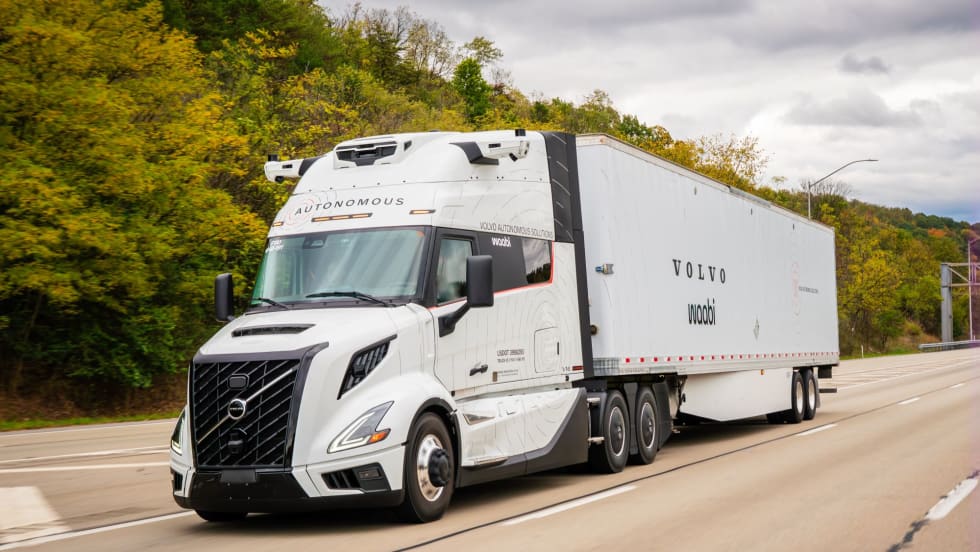
Volvo, Waabi Start Commercial Autonomous Operations in Texas
Volvo VNL Autonomous trucks, powered by the Waabi Driver, are hauling freight directly to third-party facilities for a customer in Texas.
Read More →
Samsara Launches Custom AI Agent Builder
Agent Studio lets fleets create AI tools for hours-of-service monitoring, reporting and driver support, including agents that communicate by phone.
Read More →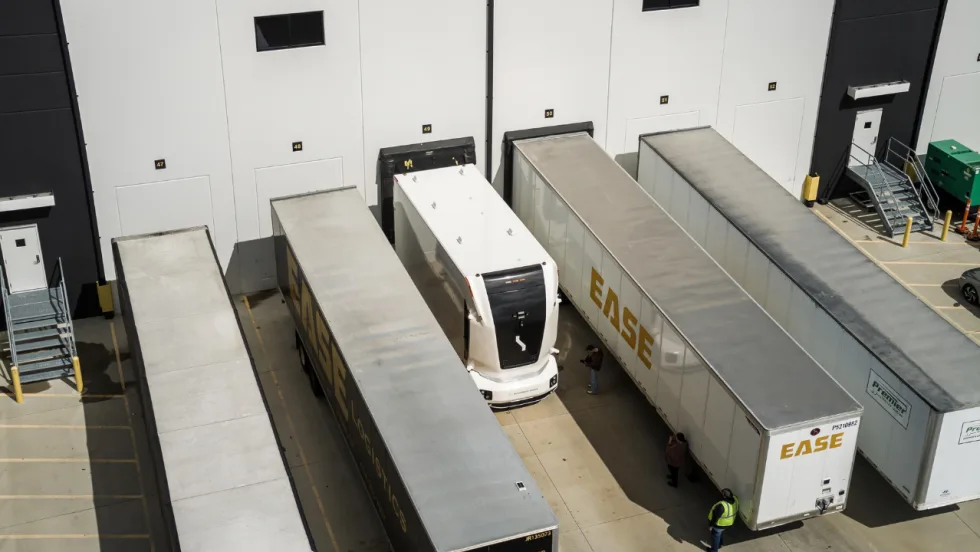
Einride Driverless Electric Trucks Begin Daily Freight Operations in Ohio
Two cabless electric trucks are hauling freight between EASE Logistics facilities in Marysville, Ohio, as part of a multi-state truck automation project.
Read More →
Geotab Links Fleet Card to Vehicle Data
The new card combines fuel discounts with telematics-based purchase controls. Geotab’s analysis also points to potential savings from choosing lower-priced fuel stops.
Read More →