




Canadian Trucking Alliance Wants More Accountability for Medicinal Pot
In a letter, the Canadian Trucking Alliance told Health Canada, the country’s national system of healthcare, that it should not make exceptions for commercial truck drivers using medicinal marijuana while on the job.

Source: Wikimedia Commons

Source: Wikimedia Commons
In a letter, the Canadian Trucking Alliance told Health Canada, the country’s national system of healthcare, that it should not make exceptions for commercial truck drivers using medicinal marijuana while on the job.
The CTA is calling for more oversight from the medical community when prescribing the drug to workers in safety sensitive positions. The CTA reiterated its stance that there should be a zero tolerance policy when it comes to driving under the influence of marijuana.
“As we understand it, many prescribing physicians are unaware of what their patients do for a living,” said Stephen Laskowski, CTA president. “In turn, some people who are medically authorized to use marijuana might believe this somehow exempts them from impaired driving laws. Obviously in the case of safety sensitive work, such as trucking which shares its workplace with the motoring public, this can be of serious concern.”
CTA is asking the Canadian government to follow the U.S. approach of not differentiating between recreational and medical use of pot among drivers. The CTA suggests that physicians should sign-off that they are aware of what their patient does for a living and affirm that marijuana is the most appropriate treatment for the conditions.
“If the true goal is public safety for all road users then it shouldn’t matter whether it’s being used for recreational or medicinal purposes,” said Laskowski. “Commercial drivers are already held to the highest standards of safety and this shouldn’t be any different.”
CTA also echoed statements it made to other government agencies that motor carriers need more legislative support to implement zero tolerance and random testing policies without being at risk of human rights challenges. While there may be opposition toward zero tolerance and random testing requirements for prescribing physicians, CTA’s Laskowski stressed that safety should be the number one priority when dealing with safety sensitive work and the well-being of Canadian motorists.
“While it's already standard industry practice for companies to adhere to strict zero-tolerance policies requiring drivers to be 100% sober while on the job, it is imperative employers are free to apply the appropriate workplace measures that will mitigate additional safety risks to employees and the public that legalized marijuana could bring,” said Laskowski.
More Safety & Compliance
A Camera Isn't a Safety Program. Here's What Brokers Are Screening for Now
Footage alone may not be enough to pass broker vetting processes. Here's what counts as a defensible safety program now.
Read More →
Marijuana and Trucking’s Drug-Testing Dilemma
Marijuana is getting stronger, laws are changing, and drug tests still can’t reliably establish impairment. What does that mean for truck drivers and the fleets that employ them?
Read More →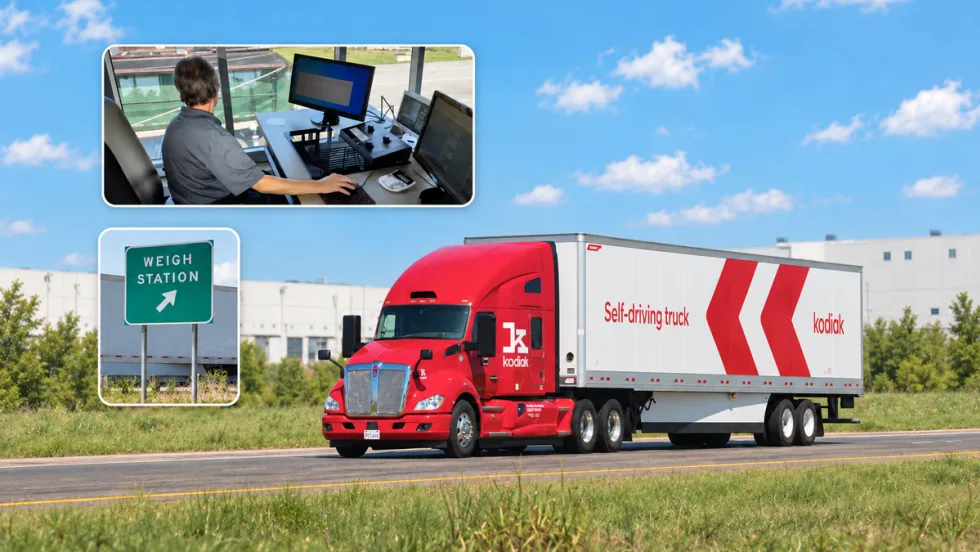
PrePass, Kodiak Connect Driverless Trucks to Roadside Enforcement
The system will allow enforcement agencies to verify Enhanced Inspection information and decide whether Kodiak’s autonomous trucks can bypass roadside screening sites.
Read More →

From One Generation to the Next: How Mentorship Builds Safer Truck Drivers
After three decades in trucking, Harold Perry shares what he's learned about driver safety, mentorship, and helping the next generation build confidence behind the wheel.
Read More →
FMCSA Pauses Biennial-Update Enforcement Amid Motus Transition
Carriers whose updates were due on or after June 1 have more time, while FMCSA works to stabilize its new registration system and warns of phishing sites impersonating its new carrier registration system, Motus.
Read More →
ZF Expands Commercial Vehicle Push in North America
ZF is expanding its North American commercial-vehicle presence with new transmission applications, electrification, trailer technology and autonomous-driving systems.
Read More →
Truck Drivers Need More Than Another Alert
Fleets have more visibility into truck health, safety events, and driver activity than ever. The next challenge is turning all that information into useful guidance for the person who has to decide what to do next.
Read More →
Tesla Wants a Self-Driving Semi. Are Cameras Enough?
Could Tesla’s camera-only autonomous driving technology work on an 80,000-pound Semi? In this commentary, HDT's Deborah Lockridge takes a look at Tesla, Cybercab, and how autonomous trucks see the road.
Read More →
What DOT’s Automated Vehicle Strategy Means for Trucking
The U.S. Department of Transportation issued a new automated-vehicle strategy that outlines plans for driverless-truck regulations, cross-state freight corridors, and federal safety standards.
Read More →
NYC Expands Speed, Pedestrian Safety Tech Across Fleet
New York City is expanding intelligent speed assistance and pedestrian-alert systems across its municipal fleet, moving the technologies from pilot programs into vehicle procurement and retrofit requirements.
Read More →