




Hair Testing More Reliable for Detecting Illegal Drug Use, HHS Panel Told
Five years of dual testing data from the trucking industry, which included over 200,000 DOT driver candidates from more than 25 different motor carriers, demonstrates that urine testing by itself is no longer effective for pre-employment screening.



Hair testing for illegal drug use has gotten a boost following a recent gathering, but it still faces a long way to go before it ever possibly replaces urine testing in trucking.
The drug screening company Omega Laboratories has been assisting the U.S. Department’s Health and Human Services’ Drug Testing Advisory Board with the evaluation of hair specimens for use in the Federal Workplace Drug Testing Program. It says recent concerns and data have emerged challenging the effectiveness of traditional urine-based testing.
The Drug Testing Advisory Board assembled authorities from across the drug abuse testing industry at its July meeting, in order to thoroughly explore the testing of hair specimens as an addition to the Federal Workplace Drug Testing Program.
Members were given presentations by recognized authorities in the drug testing industry, including the laboratory directors from the three largest U.S-based workplace hair-testing laboratories.
David Engelhart, laboratory director of Omega Laboratories, discussed what he belives is the reliability of hair testing. "Proficiency testing has shown consistent results of the hair testing screening processes across multiple laboratories worldwide."
Public comments at this meeting mirrored those from other DTAB meetings over the last several years, which favored the addition of hair as a specimen for testing.
Five years of dual testing data from the trucking industry, which included over 200,000 DOT driver candidates from more than 25 different motor carriers, demonstrates that urine testing by itself is no longer effective for pre-employment screening, according to Omega.
Since 1988, organizations that are required to perform Federal Workplace Drug Testing have been limited to the use of urine specimens. Some motor carriers have chosen to go above and beyond the federal requirements and have added hair testing to ensure that they are screening out potentially dangerous employees.
Hair specimen testing proponents say such screening provides a significantly longer detection window, is very difficult to adulterate, and eliminates collection issues associated with urine. As a result, hair testing has consistently identified over three times as many illegal substance users as urine testing in regulated industry pre-employment trial programs.
The DTAB is an advisory committee for the Substance Abuse and Mental Health Services Administration, who established the board to "improve the quality of systems for drug testing." The decision to evaluate hair testing comes only 18 months after the DTAB fast-tracked the review of laboratory-based oral fluid testing, which allegedly also offers many advantages over traditional testing methods.
Before the U.S. DOT can authorize hair testing for illegal drugs in place of urine testing, the U.S. Department of Health and Human Service would likely have to authorize such standards first.
Related Stories:
All That's Trucking Blog: Why is the DOT Taking so Long to Move on Hair Testing for Drugs?
2011 HDT Feature: A Better Way to Drug Test?
More Drivers

Platform Science Adds Dispatch and Safety Tools
Four additions to PS Fleet help fleets monitor loads, manage driver coaching, share truck locations and adjust video system settings.
Read More →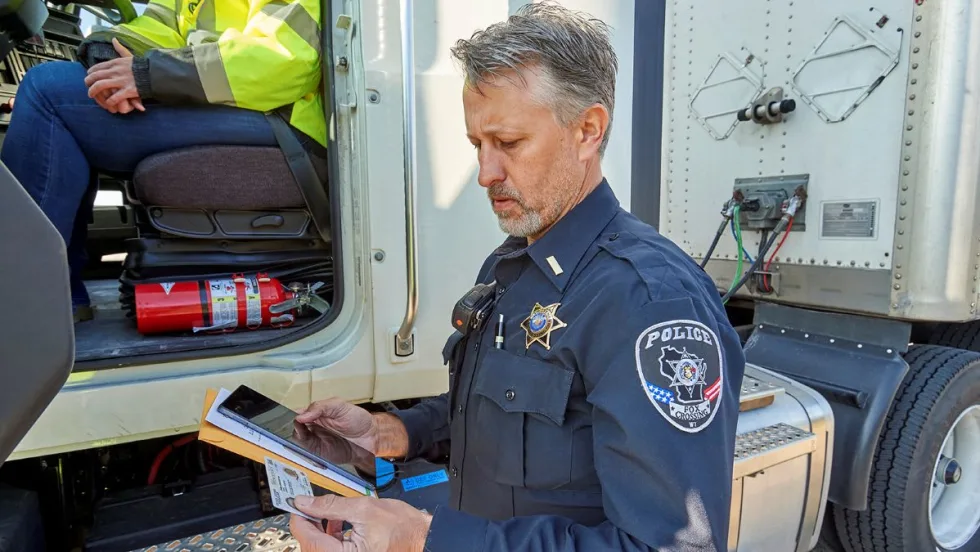
When Language Stops the Truck: The Return of ELP Out-of-Service Orders
English language proficiency rules for commercial drivers aren’t new, but renewed out-of-service enforcement has raised the stakes. Here’s what carriers need to know before a driver reaches a roadside inspection.
Read More →
Samsara Launches Custom AI Agent Builder
Agent Studio lets fleets create AI tools for hours-of-service monitoring, reporting and driver support, including agents that communicate by phone.
Read More →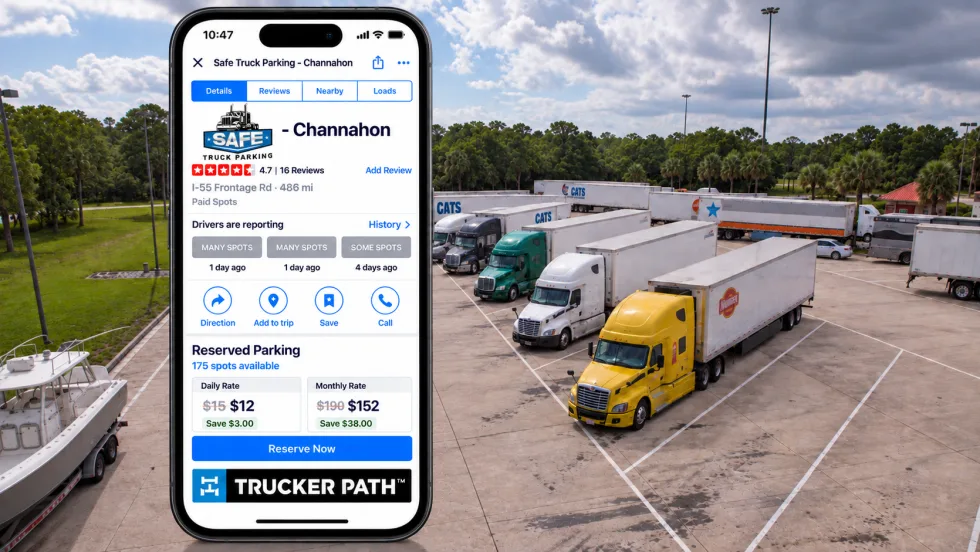
Trucker Path Expands Reserved Parking Network
Trucker Path has added close to 6,000 more truck parking spaces to its Trucker Path Reserved Parking Network with the addition of Safe Truck Parking.
Read More →
EEOC Sues Texas Trucking Company Over Driver Age Limits
The agency says Trancasa USA rejected applicants over 65 and applied tougher driving-record standards to those over 60.
Read More →
Nussbaum, Roehl Announce Second Driver Pay Increase This Year
This year has seen a swath of major truck driver pay increases as freight capacity has tightened.
Read More →
From One Generation to the Next: How Mentorship Builds Safer Truck Drivers
After three decades in trucking, Harold Perry shares what he's learned about driver safety, mentorship, and helping the next generation build confidence behind the wheel.
Read More →
Truck Drivers Need More Than Another Alert
Fleets have more visibility into truck health, safety events, and driver activity than ever. The next challenge is turning all that information into useful guidance for the person who has to decide what to do next.
Read More →
FMCSA Removes 110 Truck Driver Training Schools from Certified ELDT List
Federal regulators also are targeting more than 160 additional training providers and launching a nationwide audit of third-party CDL skills testers as part of a broader crackdown on trucking fraud.
Read More →
Hours of Service Pilot Programs: FMCSA Readies for 2027 Rollout
Two pilot programs could eventually reshape hours-of-service rules, giving truck drivers options to pause their 14-hour clock or use longer split sleeper rest periods.
Read More →