




ELDs: What Happens When You Have to Rent a Truck?
Truck rental and leasing companies say the electronic logs mandate presents problems for them and their customers.

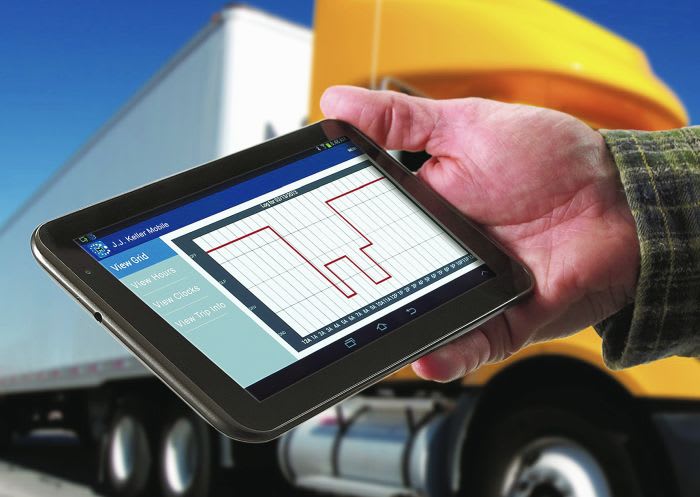
Photo: J.J. Keller
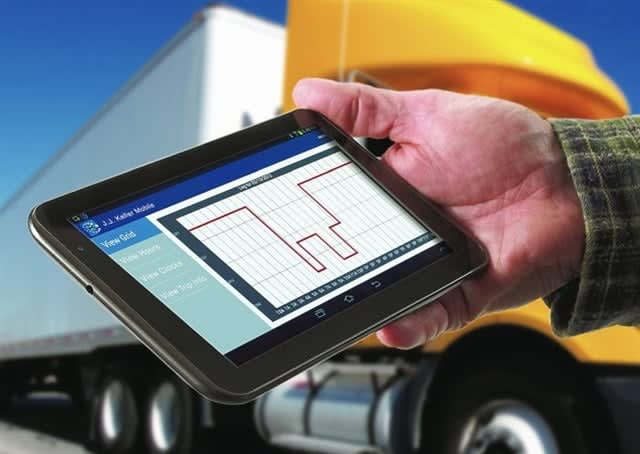
Photo: J.J. Keller
The electronic logging device mandate might seem to an outsider like a simple change that was desired to improve highway safety and driven into being by the advance of technology. But trucking experts know all too well that implementing the ELD rule, which takes effect in December of next year, to replace paper logs with electronic recordings is not a simple matter of out with the old and in with the new.
Add to the list of hiccups the concern of truck rental and leasing companies that the rule doesn’t address the difficulty in recording and accessing ELD data coming from different technology sources.
When the final ELD rule was rolled out last December, the Truck Rental and Leasing Association said it was “disappointed to learn that its comments regarding a rental vehicle exemption were not accepted by FMCSA for the final rule.” TRALA’s concern centers on when trucks are rented to multiple consumer and commercial customers who have varying obligations to comply with electronic log requirements.
TRALA also contends that since many different technology platforms will be used by many different drivers and companies, it “could be difficult to reconcile, with no clear indication by FMCSA as to whether the owner of the vehicle or the operator would be required to maintain [ELD] data.”
While the association concedes that the vast majority of member customers would be exempt from the rules (due to their 100- and 150-mile radius exemptions), a certain percentage of those customers are covered by hours of service regulations.
“In effect,” said TRALA, “the rule could require that every truck in a company’s rental fleet be retrofitted and equipped with an ELD to ensure compliance, whether or not the rental customer needs to utilize the technology.”
“This issue presents a great challenge to truck and lease companies as well as fleets,” says Jim Griffin, chief technology officer for Fleet Advantage, Fort Lauderdale, Fla., which provides business analytics and equipment financing to large private fleets.
He says having to deal with ELD data generated by different devices and platforms makes it essential for fleets “to identify the right telematics partner that has the technology to capture and analyze ELD data from many disparate sources,” including trucks and engines of different makes and vintage.
Before selecting an ELD solution, Griffin recommends that fleets first answer these key questions:
Is the technology limited to compliance with the ELD mandate?
Does the technology provide easy access to reliable applications and reports that can provide actionable information for improving operating performance and safety?
Does the technology provide a “growth path” to leverage the value of predictive and descriptive diagnostics? “Many providers will tell you they are providing it today,” Griffin says. ”However, this is an emerging area still in its infancy that will continue to evolve. Don’t get left behind by choosing a limited technology partner.”
Does the provider have the resources, understanding and cultural climate to navigate this journey with your organization and be a true partner?
“Although the thought of implementing the new ELD mandate with a telematics solution can appear to be overwhelming,” he contends, “the benefits of doing so will be well worth the investment of cost, time and effort.”
More Safety & Compliance

Kodiak Lines Up Fleets for Driverless Trucking
An agreement for 75 trucks, a new Texas freight lane, and progress on safety validation move Kodiak closer to its planned driverless highway launch.
Read More →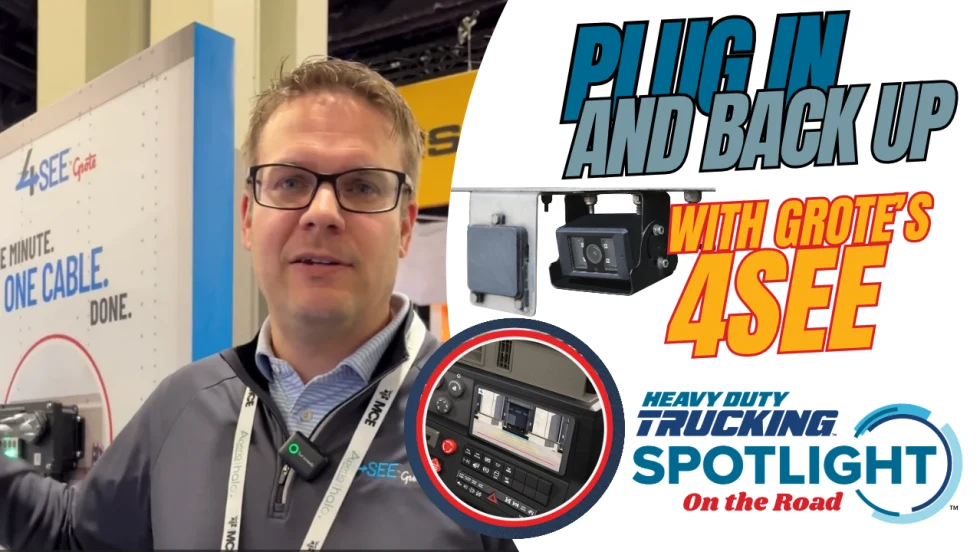
More Trailer Data Through the Same Seven-Way [Video]
Can trucking’s standard seven-way connector handle more cameras and trailer data? Grote’s Adam Slade shows HDT how the company is using new technology with its 4See trailer system, not only to add a new backup camera but also to expand other capabilities — without adding another connection.
Read More →
PrePass Intelligence Mines Fleet Bypass, Toll and Safety Data
PrePass Intelligence helps fleets measure bypass savings, flag potential toll overcharges, and spot suspicious transactions by combining data from separate systems.
Read More →
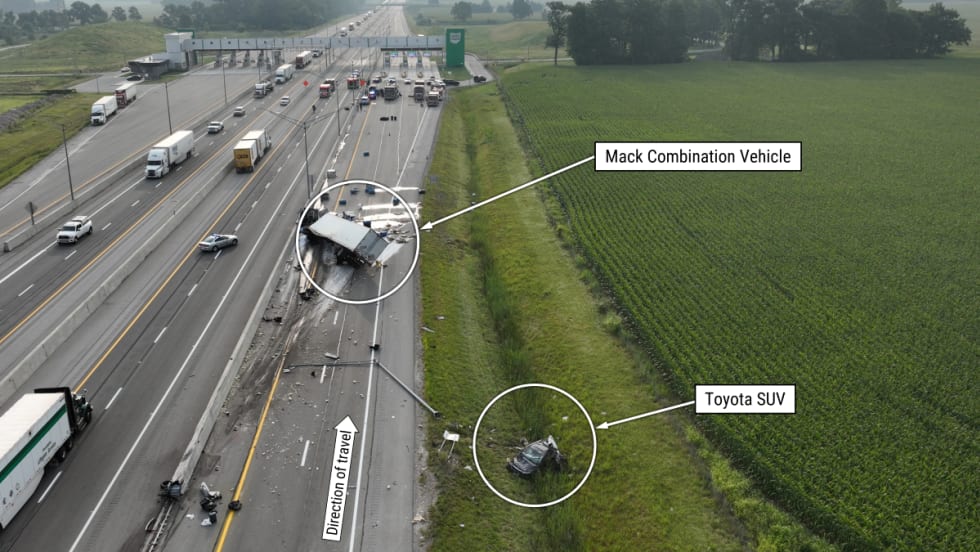
Fatal Crash Exposes Toll Plaza Risks
An NTSB investigation found that last-minute lane changes and large speed differences at an Ohio toll plaza created a hazard the truck driver couldn't avoid in time.
Read More →
When Language Stops the Truck: The Return of ELP Out-of-Service Orders
English language proficiency rules for commercial drivers aren’t new, but renewed out-of-service enforcement has raised the stakes. Here’s what carriers need to know before a driver reaches a roadside inspection.
Read More →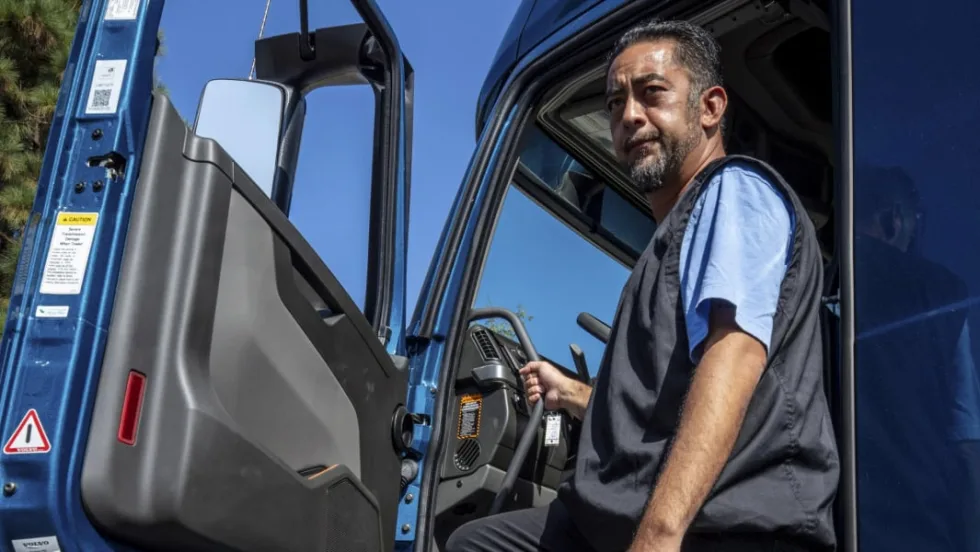
A Camera Isn't a Safety Program. Here's What Brokers Are Screening for Now
Footage alone may not be enough to pass broker vetting processes. Here's what counts as a defensible safety program now.
Read More →
Marijuana and Trucking’s Drug-Testing Dilemma
Marijuana is getting stronger, laws are changing, and drug tests still can’t reliably establish impairment. What does that mean for truck drivers and the fleets that employ them?
Read More →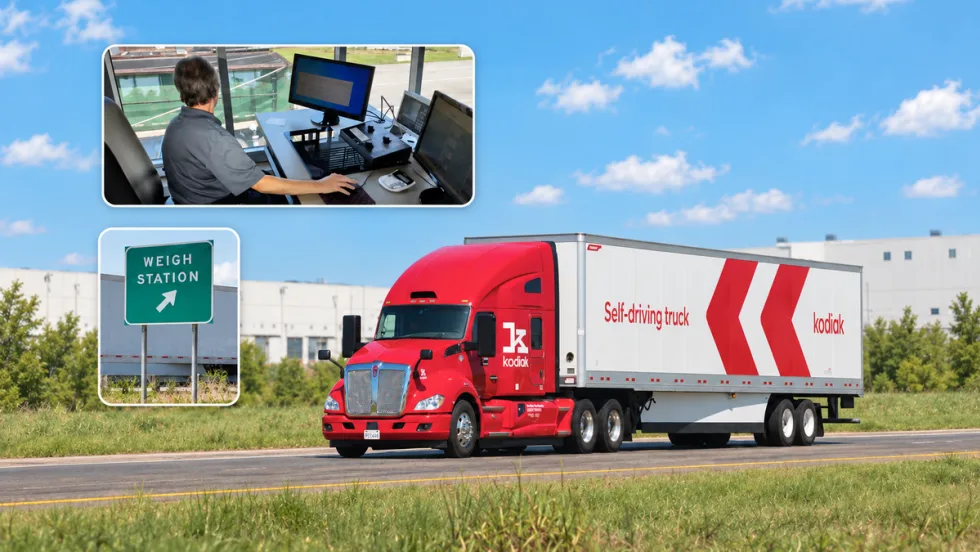
PrePass, Kodiak Connect Driverless Trucks to Roadside Enforcement
The system will allow enforcement agencies to verify Enhanced Inspection information and decide whether Kodiak’s autonomous trucks can bypass roadside screening sites.
Read More →
From One Generation to the Next: How Mentorship Builds Safer Truck Drivers
After three decades in trucking, Harold Perry shares what he's learned about driver safety, mentorship, and helping the next generation build confidence behind the wheel.
Read More →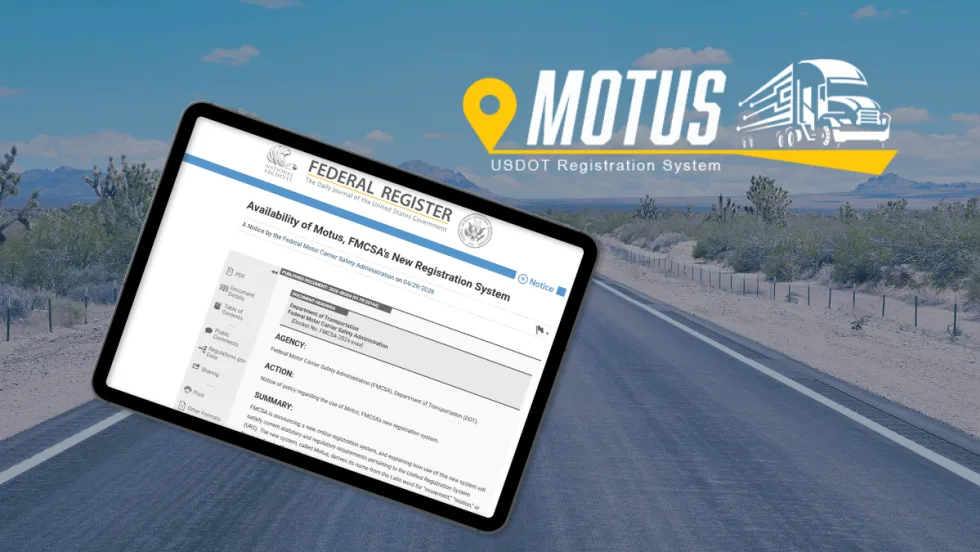
FMCSA Pauses Biennial-Update Enforcement Amid Motus Transition
Carriers whose updates were due on or after June 1 have more time, while FMCSA works to stabilize its new registration system and warns of phishing sites impersonating its new carrier registration system, Motus.
Read More →