




Safety & Compliance: Preparing For a Crash
Drivers and others at your company need to know what to do in the aftermath of a serious accident.


Even if it doesn't appear to be a serious accident, the driver should get photos at the scene.
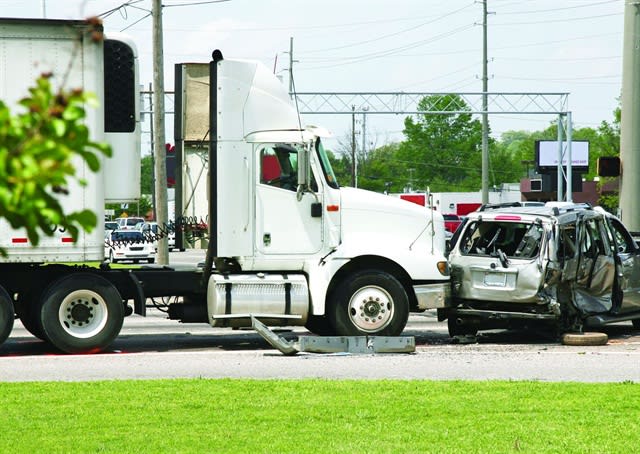
Even if it doesn't appear to be a serious accident, the driver should get photos at the scene.
Fleets should prepare for and practice what to do in the event of a serious accident just like they would for fire drills – from top management to dispatchers to drivers, according to Don Jerrell, a safety expert at HNI Risk Services.
Jerrell, a former driver and safety manager who’s now associate vice president of transportation for HNI, told attendees of the Fleet Safety Conference earlier this year that what drivers and other company personnel do immediately following an accident can help you win a lawsuit or cause you to lose one.
The key, he said, is proper preparation and proper training. Drivers should go through live exercises simulating the aftermath of a crash. Company spokespeople (have you designated who that should be?) should go through simulations of interviews with a camera in their face.
Because the driver is the one on the scene, Jerrell outlined seven steps drivers need to take when involved in an accident. These should be ingrained in them through proper training and practice:
1. Remain calm.
“Before you do anything, take a deep breath,” Jerrell recommended telling drivers. “There’s a high probability you’re the only person on this scene who’s a professional. The people on the scene expect you to do things right, the courts expect you to do things right.” Don’t admit fault to anyone – even a simple “I’m sorry” could be construed by a court as an admittance of guilt.
2. Stop.
Drivers should not move the unit from the crash site unless told to do so by police or signs posted on the highway. If stopping to give aid to a crash a driver is not involved in, he or she should not park the truck behind the crash to protect the people involved. While a driver’s heart may be in the right place, if another vehicle then hits your vehicle, the driver is at fault. If at all possible, tell drivers, get beyond the scene of the accident, on the less-traveled part of the road.
3. Secure the scene.
Failure to secure the scene properly can result in major liability issues. Drivers need to put reflectors out as soon as they can. There’s a big misconception, Jerrell said, that drivers have 10 minutes to do that. But the rules say that if you’re going to be stopped for more than 10 minutes, you have to put reflectors out right away. One reflector goes 10 feet behind the vehicle, a second one 100 feet behind. The third reflector goes 100 feet in front (if it’s not a divided highway) or 100 feet behind the second reflector.
4. Get help.
In most cases that will mean a driver calling 911 with a cell phone. However, if for some reason that doesn’t work, Jerrell said, a driver should send many people for help in many directions. Just one person, once they get away from the scene, could decide someone else will make the call and just go on their way.
What about giving first aid to the injured? This topic triggered a discussion with the audience about whether giving drivers first aid training could help or harm a company in a lawsuit. Yes, there’s always a risk, Jerrell said, but a prosecuting attorney also could make the case that training drivers in first aid would be a reasonable thing for companies to do – and that not doing so could put you at fault.
If you decide your drivers should offer such aid, make sure they have the training and the supplies needed, including training about blood pathogens and a first aid kit with gloves. Sometimes the best thing a driver can do is cover someone with a blanket to help combat shock and stay with them until help arrives.
5. Get witness information.
Drivers should politely get the name, address, phone number and license plate number of any witnesses. Keep in mind that a driver’s behavior during this exercise will help determine whether their testimony is favorable to you or not. If they can’t get the information verbally, they can snap a picture of the car and its license plate. But drivers should not spend too much time with witnesses, as that could be seen in court as an attempt to coerce them and coach them what to say.
6. Notify the company.
When a driver calls in, the natural human tendency is to try to defend himself. Encourage drivers to give a neutral report. In fact, ask them to lean the other way and imagine if they were the other party, what negative things they might have to say about the accident.
Make sure that the person taking that call is trained and prepared. Any message they send, anything they say, any notes they write can be used in court. If a driver calls, do they know the information the company needs? Do they have a form to fill out?
7. Take photos, take photos, take photos.
These days, most drivers have cellphones that can take pictures. Train them how to use the time-stamp feature. This is another good activity for orientation – show them how, then have them take a picture with a time stamp and send it to you. That’s the best thing that can happen, if drivers send photos directly from the scene.
Drivers should take photos from all sides of the vehicle – their own and any others involved. Get close-ups of any damage or other details, but make sure to include something in the photo to indicate relative size of what they’re trying to document. Take a panoramic photo of the scene. This could identify details or even witnesses you aren’t aware of at the time. Take photos even if it’s a minor incident and the other party agrees there is no damage.
These steps should be taught in orientation, practiced, and reviewed on an ongoing basis, Jerrell said. Laminated cheat-sheets outlining the steps that are kept in the cab can help drivers remember the steps in the confusion of an actual crash aftermath.
More Safety & Compliance
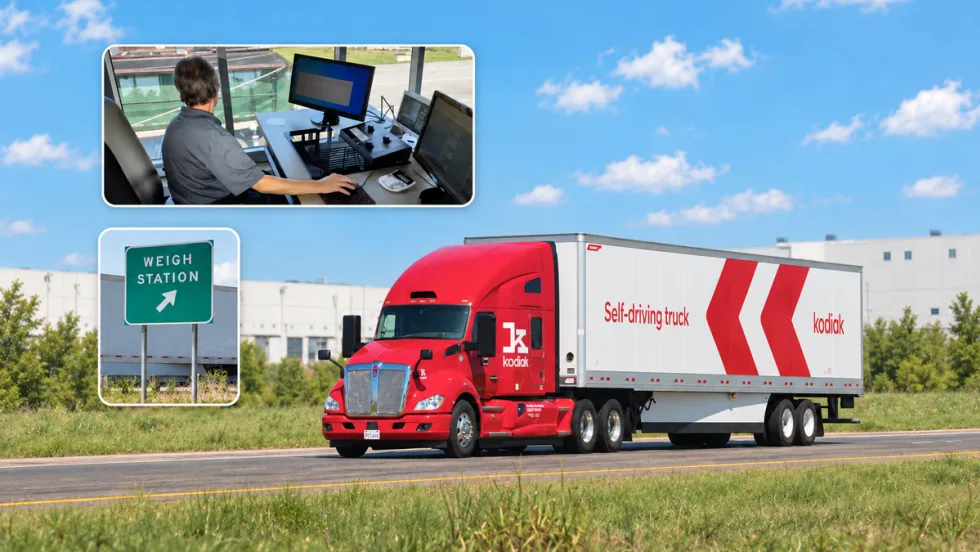
PrePass, Kodiak Connect Driverless Trucks to Roadside Enforcement
The system will allow enforcement agencies to verify Enhanced Inspection information and decide whether Kodiak’s autonomous trucks can bypass roadside screening sites.
Read More →
From One Generation to the Next: How Mentorship Builds Safer Truck Drivers
After three decades in trucking, Harold Perry shares what he's learned about driver safety, mentorship, and helping the next generation build confidence behind the wheel.
Read More →
FMCSA Pauses Biennial-Update Enforcement Amid Motus Transition
Carriers whose updates were due on or after June 1 have more time, while FMCSA works to stabilize its new registration system and warns of phishing sites impersonating its new carrier registration system, Motus.
Read More →
ZF Expands Commercial Vehicle Push in North America
ZF is expanding its North American commercial-vehicle presence with new transmission applications, electrification, trailer technology and autonomous-driving systems.
Read More →
Truck Drivers Need More Than Another Alert
Fleets have more visibility into truck health, safety events, and driver activity than ever. The next challenge is turning all that information into useful guidance for the person who has to decide what to do next.
Read More →
Tesla Wants a Self-Driving Semi. Are Cameras Enough?
Could Tesla’s camera-only autonomous driving technology work on an 80,000-pound Semi? In this commentary, HDT's Deborah Lockridge takes a look at Tesla, Cybercab, and how autonomous trucks see the road.
Read More →
What DOT’s Automated Vehicle Strategy Means for Trucking
The U.S. Department of Transportation issued a new automated-vehicle strategy that outlines plans for driverless-truck regulations, cross-state freight corridors, and federal safety standards.
Read More →
NYC Expands Speed, Pedestrian Safety Tech Across Fleet
New York City is expanding intelligent speed assistance and pedestrian-alert systems across its municipal fleet, moving the technologies from pilot programs into vehicle procurement and retrofit requirements.
Read More →
FMCSA Removes 110 Truck Driver Training Schools from Certified ELDT List
Federal regulators also are targeting more than 160 additional training providers and launching a nationwide audit of third-party CDL skills testers as part of a broader crackdown on trucking fraud.
Read More →
Beyond DOT Compliance: What Makes a Trucking Fleet Truly Safe?
A trucking fleet can follow every rule and still make unsafe decisions. The real test comes when safety conflicts with freight, productivity, or cost.
Read More →