




Momentum’s GreenLync 2.0 Provides Natural Gas Engine Information
Momentum Fuel Technologies has introduced the GreenLync 2.0 electronics communication system for its line of compressed natural gas fuel system solutions for Class 6 to Class 8 trucks.
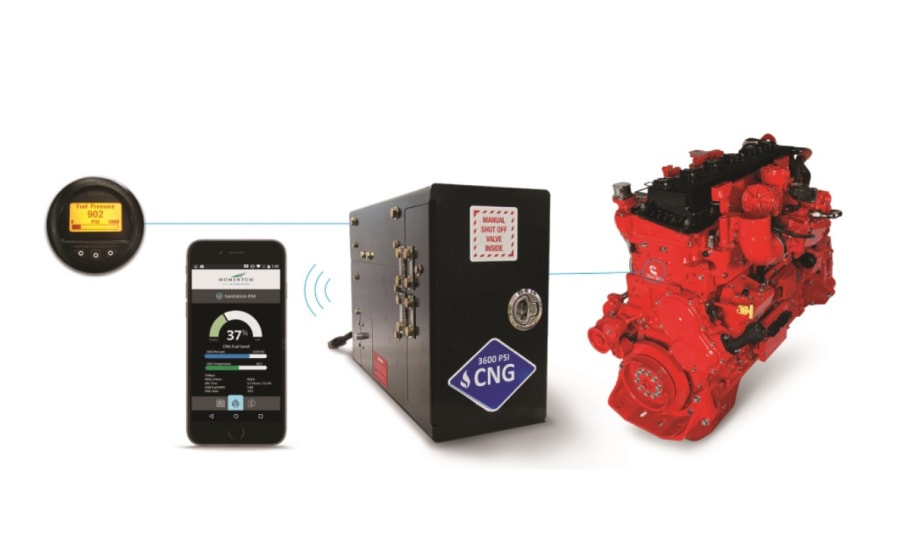
The GreenLync 2.0 driver message center displays the live fuel pressure reading, temperature-compensated fuel level and distance-to-empty for natural gas engines. Photo via Momentum Fuel Technologies

Momentum Fuel Technologies has introduced the GreenLync 2.0 electronics communication system for its line of compressed natural gas fuel system solutions for Class 6 to Class 8 trucks.
GreenLync 2.0 technology provides drivers with information on natural gas engines to driver confidence and providing a more diesel-like experience. Through collaboration with Cummins, the system is designed to reduce false occurrences of engine fault codes. The GreenLync 2.0 technology can integrate with telematics platforms to enable fleet managers to understand their vehicle performance and optimize fuel management.
The GreenLync 2.0 driver message center displays the live fuel pressure reading, temperature-compensated fuel level and distance-to-empty. GreenLync 2.0 technology calculates a number of factors to deliver a distance-to-empty reading to the driver message center, reducing range anxiety and giving drivers more confidence in the system.
Real-time fuel pressure and temperature-compensated fuel levels give drivers an even more detailed picture of their system’s performance to help maximize their efficiency.
“Customers told us they wanted a gauge that was more like they ones in their diesel vehicles,” said Mike Zimmerman, general manager, Momentum Fuel Technologies. “Now, with the distance-to-empty information at their fingertips, drivers can have a diesel-like experience and an easier transition to CNG vehicles.”
If a vehicle is equipped with a factory-installed in-dash fuel gauge, GreenLync 2.0 technology will drive the gauge as well as its own driver message center. Momentum’s GreenLync 2.0 electronics package has been tested and verified for use on all U.S. truck OEM chassis makes/models with factory gauges and wiring.
All Momentum CNG fuel systems are designed and built in collaboration with Cummins. Through this development work, Cummins’ diagnostic system can now recognize when a CNG fuel system is low on fuel, which helps to reduce false occurrences of engine faults codes. All Momentum systems are able to integrate with Cummins Westport L9N, B6.7N and the new ISX12N.
GreenLync 2.0 technology can fully integrate with compatible telematics platforms, allowing drivers and fleet managers to be alerted of any need immediately, so maintenance or service can be completed before it becomes an issue. Using telematics, drivers and fleet managers can also monitor their fuel levels and usage stats and optimize their fuel consumption.
Momentum Supports Medium Duty CNG Trucks
Momentum has also announced an expansion of its CNG fuel system offerings, including a 40-gallon equivalent side-mount system for medium-duty trucks in its compressed natural gas fuel system solutions.
Like all Momentum products, the medium-duty version’s design includes the features, benefits and durability of the existing product line for heavy-duty trucks, but with a smaller diameter tank, allowing for optimal fuel storage on a lower-profile vehicle. Momentum’s new system can be installed on a variety of medium-duty truck platforms.
“We are proud of our commitment to investing in green technologies,” said Zimmerman. “The expansion of Momentum’s product line to medium-duty allows us to support an even wider range of customers who choose CNG-powered vehicles.”
Grant funding for natural gas vehicles is currently available in several states for those seeking medium-duty CNG vehicles. The medium-duty system is currently in production and ready for delivery. Momentum’s product line covers nearly all Class 4-8 truck applications in North America, from over-the-road to vocational, with numerous configurations that integrate with multiple body OEMs.
More Fuel Smarts
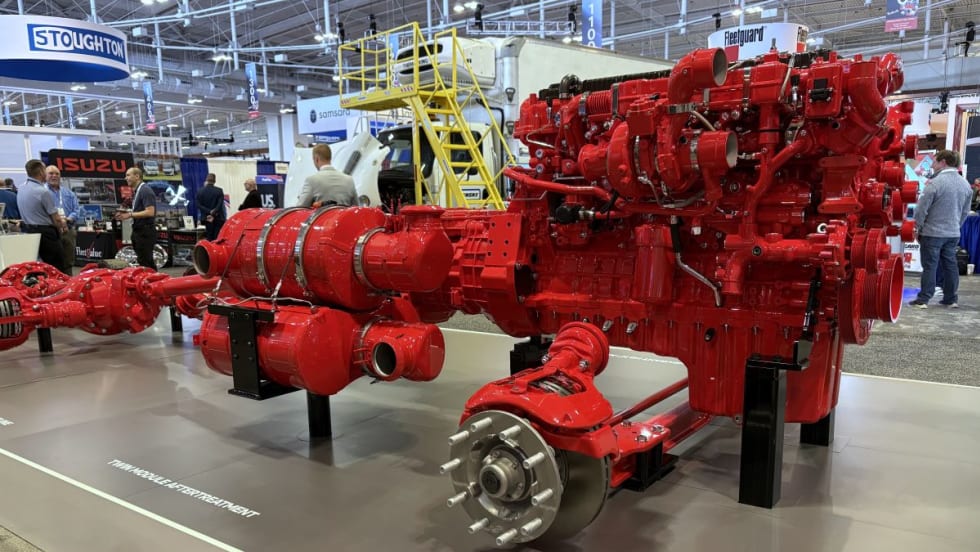
Cummins Adjusts 2027 Engine Rollout After EPA Proposal
The engine maker will gradually introduce its new Model Year 2027 diesel engines while continuing to offer current models during the transition, citing the EPA's proposed emissions rule changes.
Read More →
EPA Proposal Could Ease 2027 Truck Costs and Buying Uncertainty
The proposal doesn't change the tougher NOx standard, but it would revise key implementation requirements that manufacturers say have driven up costs and complicated fleet purchasing decisions.
Read More →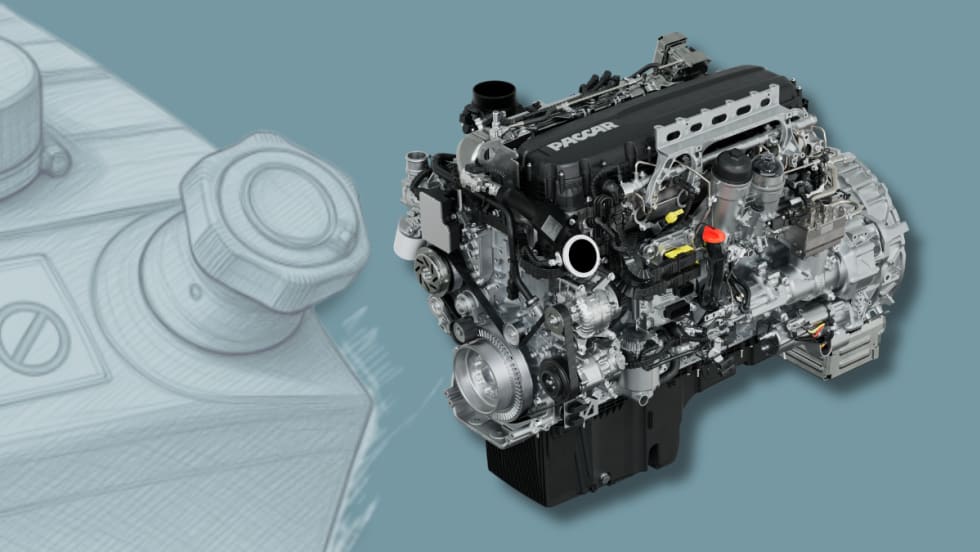
Cummins, Paccar Ease DEF Derates After EPA Guidance
Updated diesel engine software gives truck operators more time to address emissions-system issues while staying compliant with EPA emissions standards.
Read More →
Maintenance in the Messy Middle Part 3: Biodiesel
Biodiesel can reduce emissions, improve fuel-system lubricity and use existing diesel infrastructure. But NACFE’s Messy Middle maintenance report says fleets must actively manage storage, cold-weather operation, filters and oil drain intervals to avoid problems.
Read More →
Enhance Fleet Performance with High-Efficiency Auxiliary Power Units
Drive sustainable cost savings while increasing driver comfort during short- and long-haul logistics operations.
Read More →
Maintenance in the ‘Messy Middle’ Part 2: Renewable Diesel Fuel
NACFE's latest Messy Middle Powertrain Service & Maintenance report says renewable diesel gives fleets an opportunity to reduce carbon emissions without changing trucks, fueling infrastructure or maintenance practices. But technicians still need to understand several important operational differences.
Read More →
The Diesel Engine Enters NACFE’s ‘Messy Middle’
NACFE’s new Messy Middle Powertrain Service & Maintenance report says keeping modern diesel engines running now depends as much on software, diagnostics and data as traditional mechanical service.
Read More →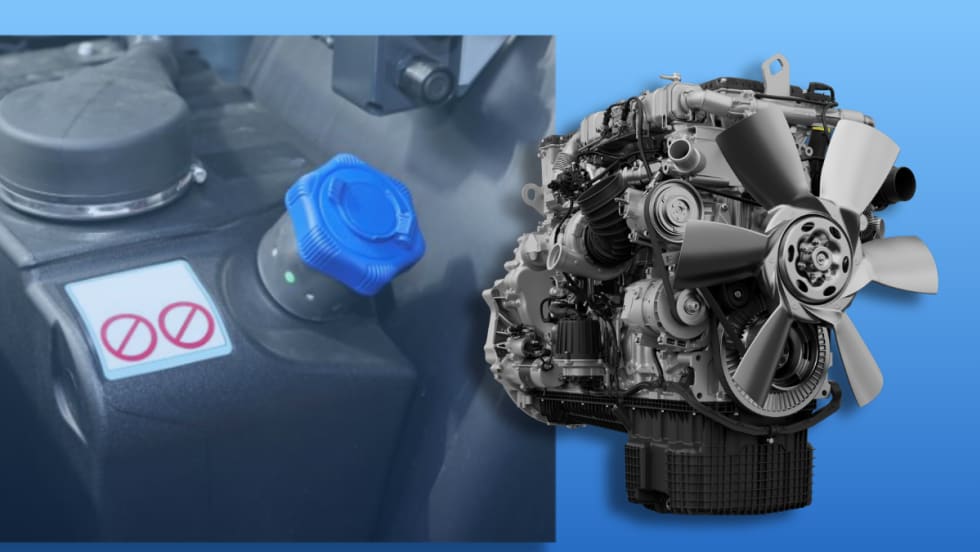
DTNA Software Update Gives Truckers More Time Before DEF Derates Take Effect
The changes reflect EPA guidance aimed at reducing downtime caused by emissions-system faults while maintaining compliance requirements.
Read More →
New Agentic Predictive Maintenance Report Demonstrates How Degraded Aftertreatment Systems Waste Fuel
Questar analyzed a large mixed-class fleet and discovered it was wasting as much as $30 in fuel per vehicle, per day, because of mechanically degraded aftertreatment systems.
Read More →
New York City's Microhub Project is Delivering Results
Trucking, last-mile delivery companies, and environmental advocates like what they are seeing so far with New York's microhub program.
Read More →