




Related: Renewable Fuel Boosts Diesel's Dominance, Tech Forum Says
Cummins Approves Renewable Diesel for Medium-Duty Engines
Cummins announced that its B4.5, B6.7 and L9 engine platforms are compatible with certain kinds of renewable diesel fuels.
by Staff
May 31, 2017
Photo: Cummins
2 min to read

Cummins announced that its B4.5, B6.7, and L9 engine platforms are compatible with certain kinds of renewable diesel fuels.
Both on-highway and off-highway versions of the engines and all vintages are approved to use paraffinic renewable diesel fuels meeting the EN 15940 specification. Compared to conventional diesel fuels, paraffinic diesel fuels can potentially reduce greenhouse gas emissions by 40% to 90% over the total life of the vehicles, according to Cummins.
Cummins held an 18-month field test of its engines running 100% paraffinic diesel fuels in order to study the effects of the fuel on engine performance, aftertreatment and fuel system durability. Engine performance remained stable and consistent while using the paraffinic fuel, Cummins found. Depending on the application and engine duty cycle, fuel economy could take a hit of up to 6%, mostly due to the lower density of paraffinic fuels compared to regular diesel.
Cummins approval for the use of renewable diesel with B6.7 and L9 engines aligns with the introduction of EN 15940, a final European CEN specification for paraffinic diesel fuels. Paraffinic fuels include hydrotreated vegetable oil, gas-to-liquids, and biomass-to-liquids. Operators of Cummins-powered trucks and buses are required to source all paraffinic fuels from high-purity suppliers meeting EN 15940, as this ensures that the fuel contains the necessary lubricity additive for use in a diesel engine.
The company is currently putting other light-duty, heavy-duty and high-horsepower engine platforms through similar field tests; Cummins will announce the results of the studies later in the year.
"Focused on energy diversity and enabling the power of choice, Cummins has provided another approved fuel option to help the continued reduction of emissions," said Jim Fier, Cummins vice president, engineering. “The use of paraffinic diesel allows customers to minimize their emissions-based footprints without additional capital investment. Plus, they have the comfort of knowing that Cummins conducted a thorough analysis prior to approval.”
More Fuel Smarts

Maintenance in the Messy Middle Part 3: Biodiesel
Biodiesel can reduce emissions, improve fuel-system lubricity and use existing diesel infrastructure. But NACFE’s Messy Middle maintenance report says fleets must actively manage storage, cold-weather operation, filters and oil drain intervals to avoid problems.
Read More →
Sponsored•July 1, 2026
Enhance Fleet Performance with High-Efficiency Auxiliary Power Units
Drive sustainable cost savings while increasing driver comfort during short- and long-haul logistics operations.
Read More →
Maintenance in the ‘Messy Middle’ Part 2: Renewable Diesel Fuel
NACFE's latest Messy Middle Powertrain Service & Maintenance report says renewable diesel gives fleets an opportunity to reduce carbon emissions without changing trucks, fueling infrastructure or maintenance practices. But technicians still need to understand several important operational differences.
Read More →

The Diesel Engine Enters NACFE’s ‘Messy Middle’
NACFE’s new Messy Middle Powertrain Service & Maintenance report says keeping modern diesel engines running now depends as much on software, diagnostics and data as traditional mechanical service.
Read More →
DTNA Software Update Gives Truckers More Time Before DEF Derates Take Effect
The changes reflect EPA guidance aimed at reducing downtime caused by emissions-system faults while maintaining compliance requirements.
Read More →
New Agentic Predictive Maintenance Report Demonstrates How Degraded Aftertreatment Systems Waste Fuel
Questar analyzed a large mixed-class fleet and discovered it was wasting as much as $30 in fuel per vehicle, per day, because of mechanically degraded aftertreatment systems.
Read More →
New York City's Microhub Project is Delivering Results
Trucking, last-mile delivery companies, and environmental advocates like what they are seeing so far with New York's microhub program.
Read More →
Lessons Learned About Alternative Fuels: Start Small, Stay Flexible
Practical advice on adopting alternative fuels and ZEVs from HDT's 2026 Top Green Fleets, from renewable diesel and natural gas to electric trucks.
Read More →
Kempower Adds Flex EV Charger to Help Support Transition to Megawatt Charging
The Kempower Mega Satellite Flex has both a CCS and MCS connector, allowing operators to serve both types of heavy-duty vehicles.
Read More →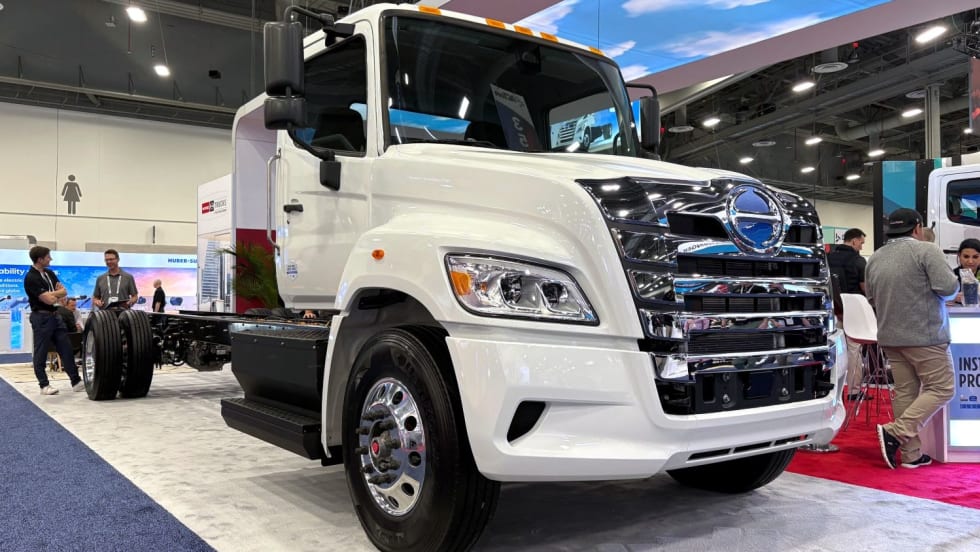
Hino Adds Electric Class 6/7 Truck
Hino says the Le Series is an important step in the company's efforts to reduce environmental impact and support its customers’ sustainability goals.
Read More →