




Related: What You Should Know About Today's CNG Fuel Systems
Onboard Diagnostics Pitched as a Leveler for Natural Gas Trucks
Agility Fuel Solutions has introduced Blue iQ, a proprietary technology developed with Cummins to optimize fuel consumption and uptime through on-board diagnostics.
by Staff
March 8, 2017
2 min to read
Agility Fuel Solutions has introduced Blue iQ, a proprietary technology developed with Cummins to optimize fuel consumption and uptime through on-board diagnostics.
Blue iQ integrates with Cummins Connected Diagnostics, Insite service tool and QuickServe support to connect vehicles, drivers, managers, and technicians for real-time management, diagnostics, and service. The company said this technology will help natural gas vehicle operators keep up with current diesel engine standards for on-board diagnostics and fuel efficiency data.
Blue iQ has access to Cummins proprietary engine data. Its Smart Gauge dashboard has a Vehicle Range Monitor to determine how far drivers can go with the fuel on board, EcoMode to help avoid unplanned refueling at low fuel levels, and Limp Home Mode to get drivers safely out of traffic at extremely low fuel levels. There’s also a Cold Start Logic feature to eliminate downtime on cold mornings.
By allowing customers to more precisely manage fuel efficiency, maintenance, and downtime, natural gas vehicles can now better compete with diesel equivalents, according to Agility.
“The best path to a sustainable planet is to make sustainability good business,” says Kathleen Ligocki, CEO, Agility Fuel Solutions. “Blue iQ allows natural gas vehicles to operate on a level playing field with diesel, but with lower fuel costs, quieter engines, and less emissions.”
Agility Fuel Solutions is a provider of natural gas fuel systems and Type 4 cylinders for medium- and heavy-duty commercial vehicles in local, regional and long-haul applications.
More Fuel Smarts
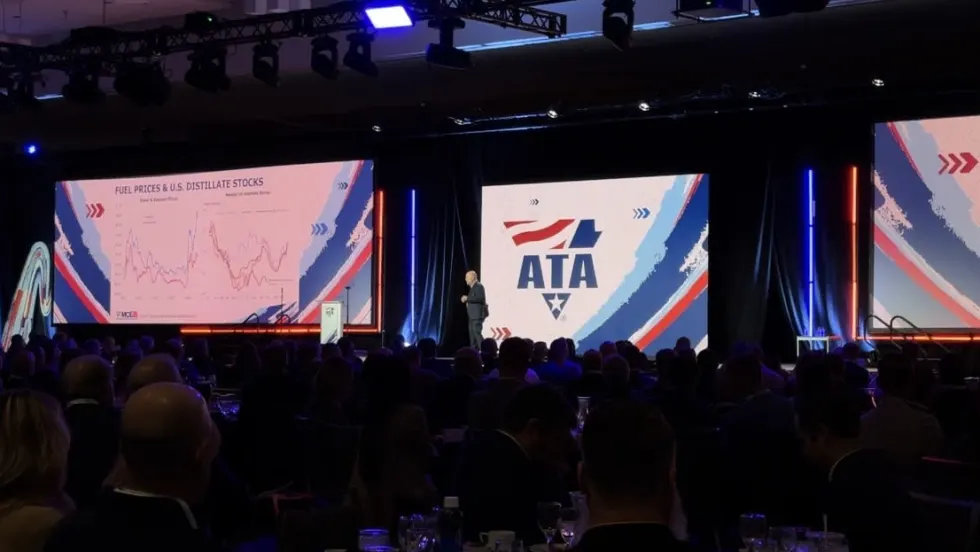
Trucking’s Diesel Squeeze Isn’t Letting Up
With diesel topping $6 a gallon nationally, ATA's Bob Costello explains why fleets should prepare for continued pressure at the pump.
Read More →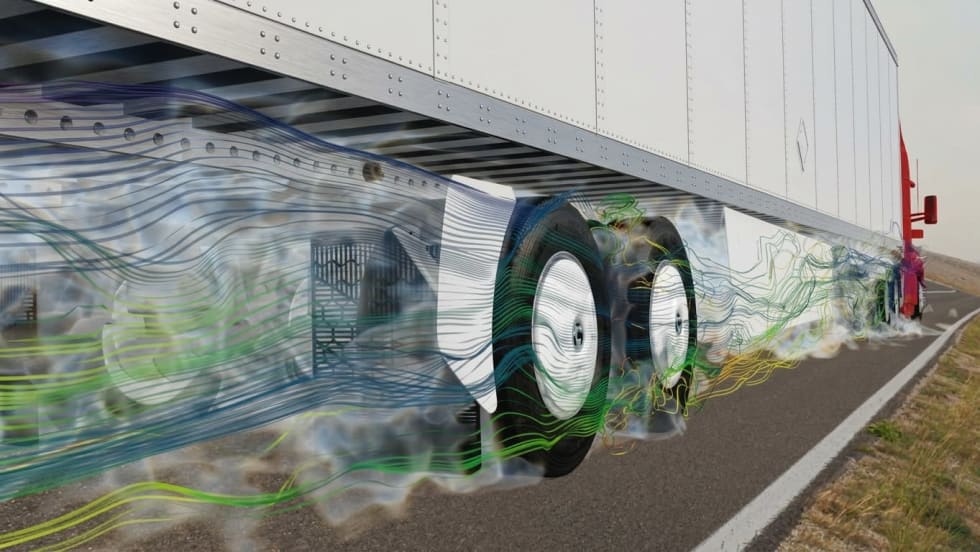
FlowBelow Redesigns Trailer AeroSlider to Cut Fuel Use
The lighter trailer aerodynamic system installs in less than 45 minutes, according to the company, with potential payback in under a year depending on fuel prices and trailer mileage.
Read More →
Why Diesel Price Relief Efforts May Fall Short
Diesel prices have eased from September’s record high, but doubts about additional Russian supply and limits on dyed-diesel tax relief mean trucking fleets still face expensive fuel. And prices could go higher.
Read More →
Why Small Fuel Savings Matter in Trucking
Can better fuel economy help pay for driver raises? In this podcast, GP Transco explains how small efficiency gains create room to reinvest in its people.
Read More →
How GP Transco Cuts Trucking Fuel Costs, a Tenth of a Gallon at a Time
What’s another tenth of a mile per gallon worth? GP Transco shares how equipment upgrades and driver coaching turn small gains into meaningful fuel savings.
Read More →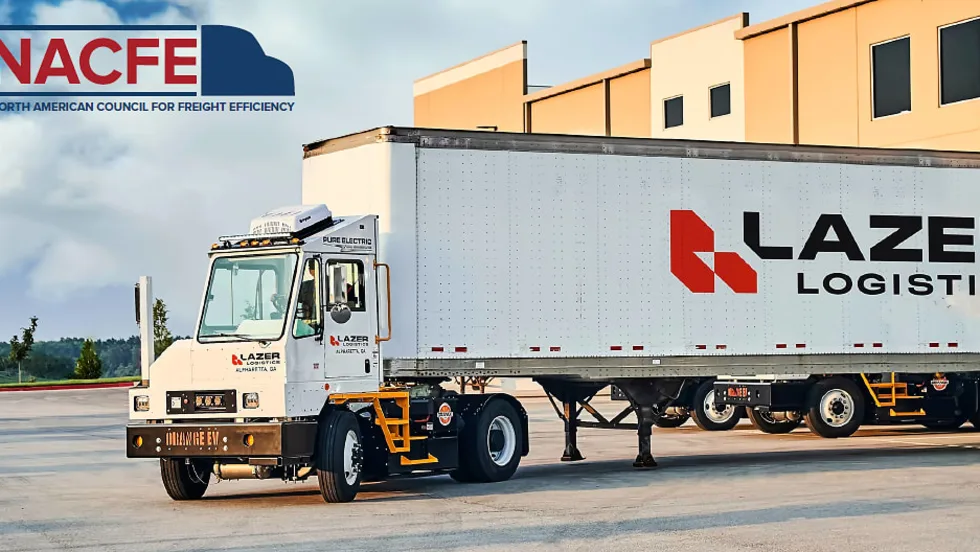
Electric Yard Tractors Move Beyond Pilots
Operating-cost savings have overtaken sustainability goals as the leading reason surveyed fleets are adopting battery-electric terminal tractors, according to new NACFE research.
Read More →
Geotab Links Fleet Card to Vehicle Data
The new card combines fuel discounts with telematics-based purchase controls. Geotab’s analysis also points to potential savings from choosing lower-priced fuel stops.
Read More →
Fleet Economics Shape Electric Truck Outlook
ACT Research expects costs, charging infrastructure, and technology improvements to drive zero-emission commercial vehicle adoption as federal regulations and incentives retreat.
Read More →
Wex Adds Cardless Fuel Payments for Over-the-Road Customers
A new fuel card feature for Wex customers offers convenience and security.
Read More →
New California Law Could Shed Light on Electric Truck Prices
Why do battery-electric Class 8 trucks remain so expensive? A California bill signed by Gov. Gavin Newsom would give fleets and state agencies more visibility into what manufacturers charge.
Read More →