




Utilities Increase Commitment to Electric Vehicles
More than 70 investor-owned electric utilities announced they will increase investment in electric vehicles for their fleets by an estimated $50 million per year, or $250 million over five years, starting in 2015.
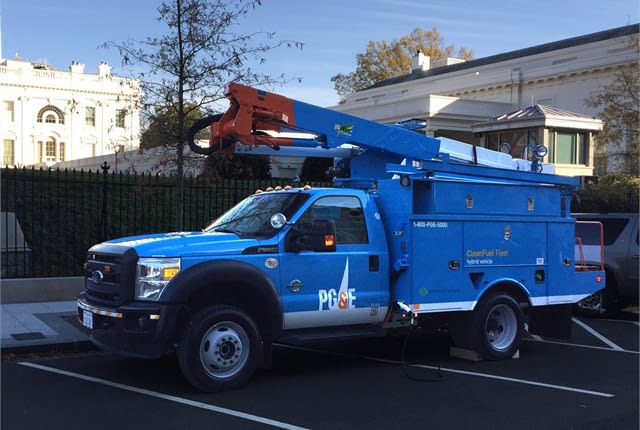
PG&E/Efficient Drivetrains Inc. Electric Hybrid bucket truck: Photo via PG&E
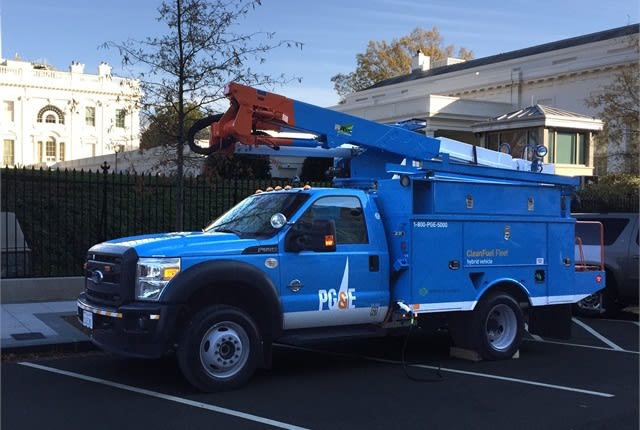
PG&E/Efficient Drivetrains Inc. Electric Hybrid bucket truck: Photo via PG&E
More than 70 investor-owned electric utilities announced they will increase investment in electric vehicles for their fleets by an estimated $50 million per year, or $250 million over five years, starting in 2015.
"The commitment… isn’t just about purchasing more vehicles, and it's not just about utilities," said Tony Earley, chairman and CEO of PG&E Corp., parent of Pacific Gas & Electric Co. and one of the companies involved in the effort. "It's about encouraging clean energy innovation, growing the marketplace for electric drive technologies and positioning our country — and our customers — to take full advantage of the incredible opportunity that electrification represents."
The initiatives are part of a broad industry effort to accelerate the adoption of plug-in electric vehicles (PEVs) and technologies by utilities. The effort is led by Edison Electric Institute’s electric transportation task force, which is co-chaired by Earley and Jim Piro, CEO and president of Portland General Electric.
PG&E meanwhile unveiled what it says is the utility industry's first plug-in hybrid-electric-drive Class 5 bucket truck. Developed by PG&E in partnership with Efficient Drivetrains Inc. and Altec Industries, both based in Dixon, Calif., the truck has an all-electric range of up to 40 miles, and "electrifies" all on-board equipment including the boom, eliminating the need to idle the truck’s engine while at job sites.
The electric bucket truck was designed, built and tested at EDI's plant in Dixon. It will reduce emissions by up to 80% compared to conventional-fuel vehicles, the company says. PG&E estimates that each EDI truck will save the utility more than 850 gallons of fuel per year.
PG&E operates the nation’s greenest utility fleet, according to Earley, including nearly 1,500 electric and electric-hybrid vehicles, and a total of 3,500 alternative-fuel vehicles. It was named an HDT Top 50 Green Fleet and has received numerous other awards for its sustainability efforts.
"Advancing plug-in electric vehicles and technologies is an industry priority, and we are proud to undertake our new initiative to encourage PEV adoption among our more than 500,000 employees," said EEI President Tom Kuhn in an event at the White House anouncing the initiative. "Through these combined efforts, we look forward to continuing to work with the administration to build on the current successes of the electric transportation market and to accelerate deployment even further."
EEI earlier this year released a white paper titled, "Transportation Electrification: Utility Fleets Leading the Charge."
More Fuel Smarts
Trucking’s Diesel Squeeze Isn’t Letting Up
With diesel topping $6 a gallon nationally, ATA's Bob Costello explains why fleets should prepare for continued pressure at the pump.
Read More →
FlowBelow Redesigns Trailer AeroSlider to Cut Fuel Use
The lighter trailer aerodynamic system installs in less than 45 minutes, according to the company, with potential payback in under a year depending on fuel prices and trailer mileage.
Read More →
Why Diesel Price Relief Efforts May Fall Short
Diesel prices have eased from September’s record high, but doubts about additional Russian supply and limits on dyed-diesel tax relief mean trucking fleets still face expensive fuel. And prices could go higher.
Read More →
Why Small Fuel Savings Matter in Trucking
Can better fuel economy help pay for driver raises? In this podcast, GP Transco explains how small efficiency gains create room to reinvest in its people.
Read More →
How GP Transco Cuts Trucking Fuel Costs, a Tenth of a Gallon at a Time
What’s another tenth of a mile per gallon worth? GP Transco shares how equipment upgrades and driver coaching turn small gains into meaningful fuel savings.
Read More →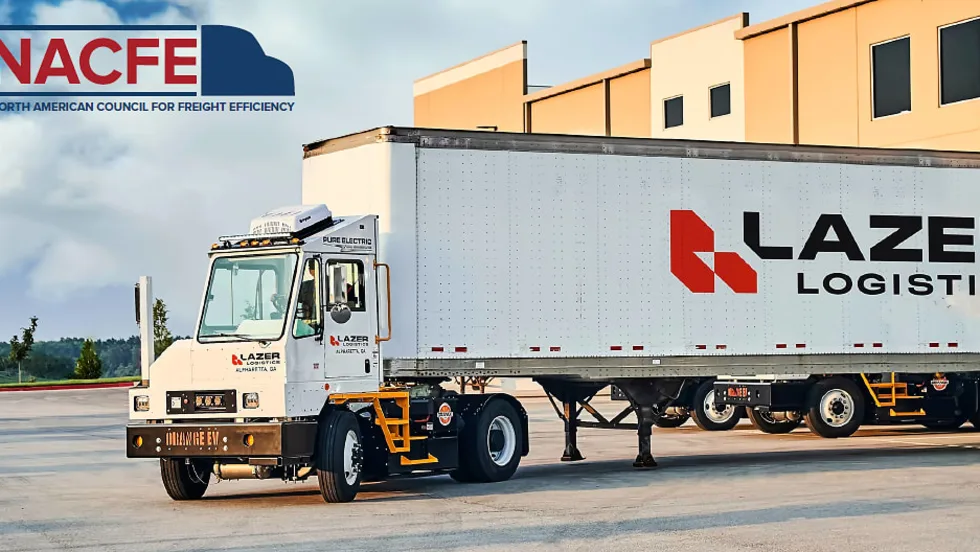
Electric Yard Tractors Move Beyond Pilots
Operating-cost savings have overtaken sustainability goals as the leading reason surveyed fleets are adopting battery-electric terminal tractors, according to new NACFE research.
Read More →
Geotab Links Fleet Card to Vehicle Data
The new card combines fuel discounts with telematics-based purchase controls. Geotab’s analysis also points to potential savings from choosing lower-priced fuel stops.
Read More →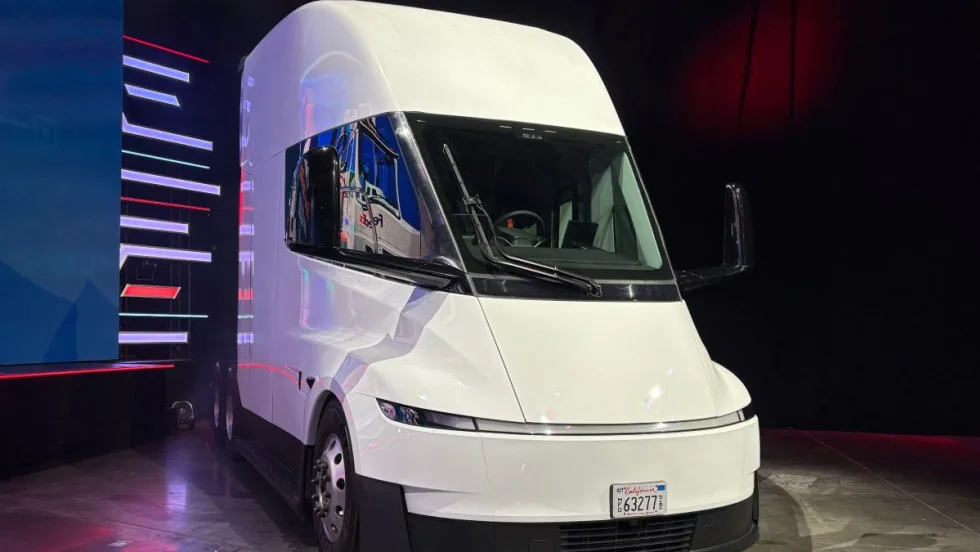
Fleet Economics Shape Electric Truck Outlook
ACT Research expects costs, charging infrastructure, and technology improvements to drive zero-emission commercial vehicle adoption as federal regulations and incentives retreat.
Read More →
Wex Adds Cardless Fuel Payments for Over-the-Road Customers
A new fuel card feature for Wex customers offers convenience and security.
Read More →
New California Law Could Shed Light on Electric Truck Prices
Why do battery-electric Class 8 trucks remain so expensive? A California bill signed by Gov. Gavin Newsom would give fleets and state agencies more visibility into what manufacturers charge.
Read More →