




Smith’s Alive, CEO Plans Volume Production
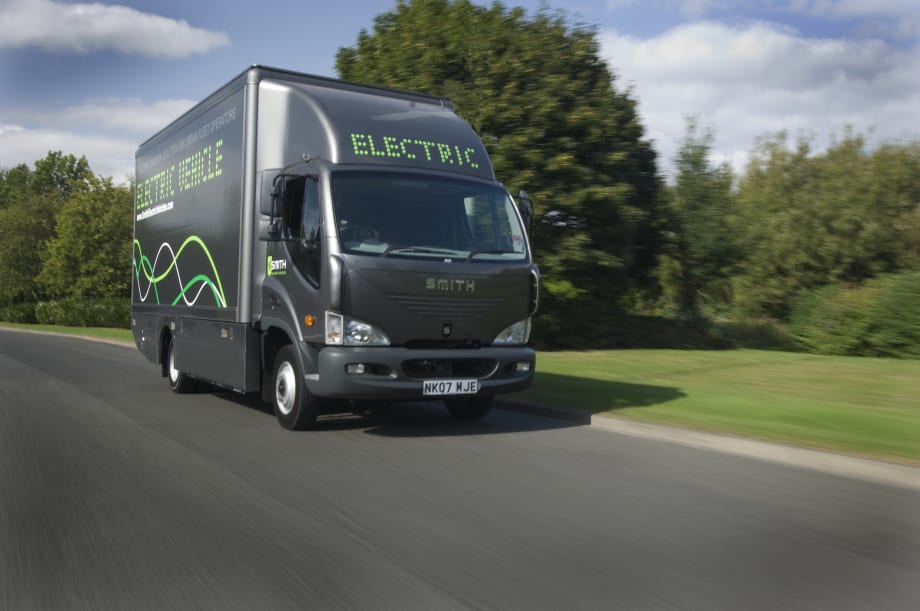
Smith Electric Vehicles is alive and operating, even if it’s not building trucks for a while, according to Bryan Hensel, the specialty builder’s CEO and co-founder, refuting reports that the company had closed.

Smith Electric Vehicles is alive and operating, even if it’s not building trucks for a while, according to Bryan Hensel, the specialty builder’s CEO and co-founder, refuting reports that the company had closed.
A “strategic decision” to stop money-losing production around the first of the year resulted in layoffs of assembly line workers, he said, but the plant and office in Kansas City, Mo., remains staffed with about 100 engineering, manufacturing, sales, marketing and support people.
Component manufacturing is being moved from the United Kingdom to Malaysia, where motors, controllers and other parts will be made at less cost and with higher quality, Hensel said. As before, components will be shipped to Kansas City for final assembly when production resumes in mid summer.
New Generation 3 trucks will include 16,000- to 26,000-pound-GVW Newton low-cab-forward and stripped chassis models, he said. Generation 2 trucks produced until the shutdown “were built to validate the technology and get quantities of trucks out there to validate that it was what we and customers needed.”
The Edison model that used a Ford Transit van chassis has been discontinued, even though the new Transit will be built locally, in Kansas City. “We sat down with Ford and decided that it wasn’t going to make sense to electrify the new Transit,” Hansel said.
Outside investors are being added to financial backers who include current stockholders, he said. The amount of backing will be announced in May.
Previous operations incurred heavy loses, but “we feel very confident that we will have a positive return on our investment,” Hansel continued. “The previous supply chain was low volume. Now it’s time to go from hundreds of trucks produced to thousands. We think demand will be higher than ever, but we’re not publicly stating any production forecasts.”
Asked why calls to Smith Electric’s Kansas City office were not picked up last Friday, as we previously reported, Hansel explained that the company was closed for Good Friday and IT problems crippled answering devices. A test call made Tuesday was promptly fielded by a lady who cheerfully said, “Oh, yes. We’re here!”
Related Stories:
More Fuel Smarts
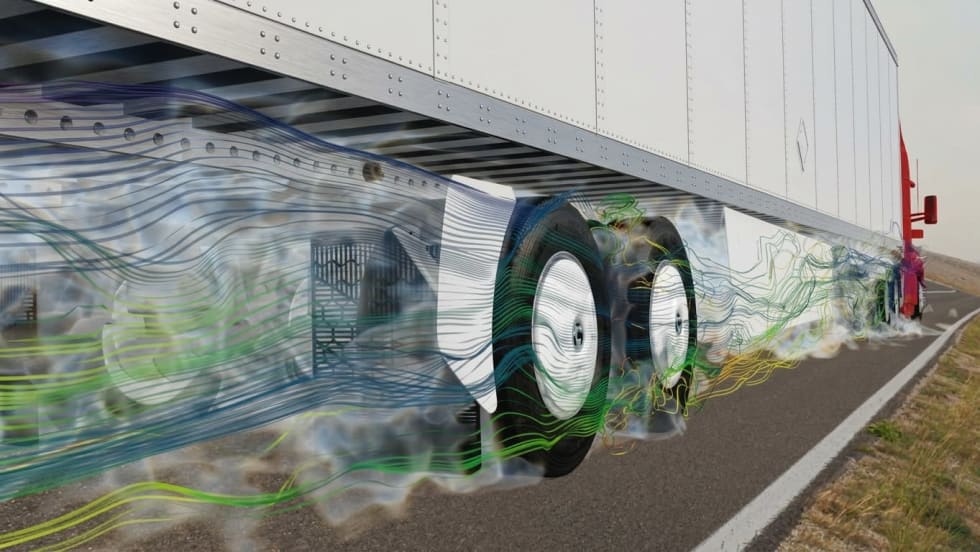
FlowBelow Redesigns Trailer AeroSlider to Cut Fuel Use
The lighter trailer aerodynamic system installs in less than 45 minutes, according to the company, with potential payback in under a year depending on fuel prices and trailer mileage.
Read More →
Why Diesel Price Relief Efforts May Fall Short
Diesel prices have eased from September’s record high, but doubts about additional Russian supply and limits on dyed-diesel tax relief mean trucking fleets still face expensive fuel. And prices could go higher.
Read More →
Why Small Fuel Savings Matter in Trucking
Can better fuel economy help pay for driver raises? In this podcast, GP Transco explains how small efficiency gains create room to reinvest in its people.
Read More →
How GP Transco Cuts Trucking Fuel Costs, a Tenth of a Gallon at a Time
What’s another tenth of a mile per gallon worth? GP Transco shares how equipment upgrades and driver coaching turn small gains into meaningful fuel savings.
Read More →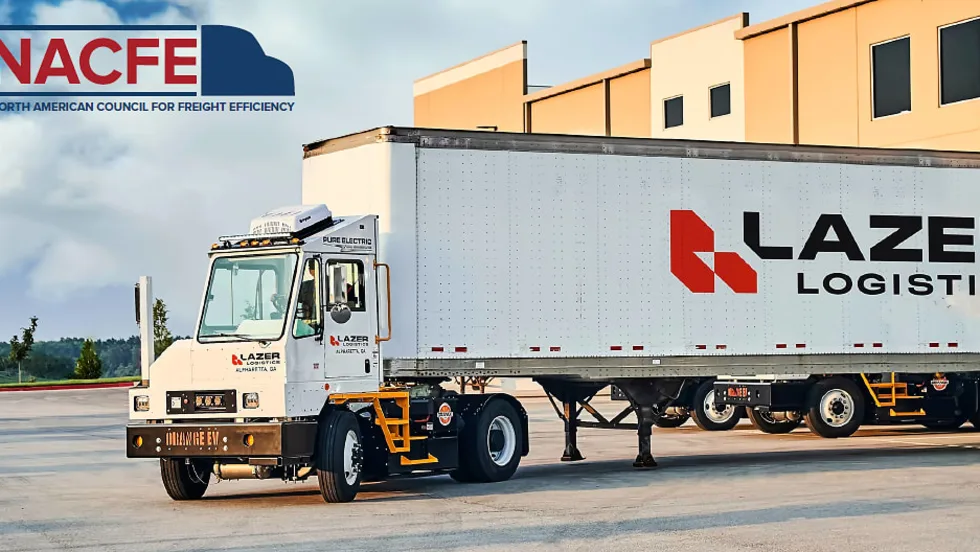
Electric Yard Tractors Move Beyond Pilots
Operating-cost savings have overtaken sustainability goals as the leading reason surveyed fleets are adopting battery-electric terminal tractors, according to new NACFE research.
Read More →
Geotab Links Fleet Card to Vehicle Data
The new card combines fuel discounts with telematics-based purchase controls. Geotab’s analysis also points to potential savings from choosing lower-priced fuel stops.
Read More →
Fleet Economics Shape Electric Truck Outlook
ACT Research expects costs, charging infrastructure, and technology improvements to drive zero-emission commercial vehicle adoption as federal regulations and incentives retreat.
Read More →
Wex Adds Cardless Fuel Payments for Over-the-Road Customers
A new fuel card feature for Wex customers offers convenience and security.
Read More →
New California Law Could Shed Light on Electric Truck Prices
Why do battery-electric Class 8 trucks remain so expensive? A California bill signed by Gov. Gavin Newsom would give fleets and state agencies more visibility into what manufacturers charge.
Read More →
How Volvo Updated Its D13 for EPA 2027 [Watch]
Volvo’s updated D13 promises lower emissions without sacrificing performance or fuel economy. Take a closer look at what changed inside the engine in this HDT Spotlight video.
Read More →