




Pennsylvania Passes Transportation Plan Changing Fuel Tax Structure
Pennsylvania Gov. Tom Corbett is expected to sign legislation passed by state lawmakers on Thursday providing $2.3 billion over five years for transportation, about a 40% hike, but it’s leaving some questions unanswered.



Pennsylvania Gov. Tom Corbett is expected to sign legislation passed by state lawmakers on Thursday providing $2.3 billion over five years for transportation, about a 40% hike, but it’s leaving some questions unanswered.
One of the biggest has to do with fuel taxes, especially how much of an increase there will be.
The measure eliminates the 12 cents-a-gallon liquid fuels tax, replacing it with a fuel tax at the wholesale level.
PennDOT Secretary Barry Schoch says it does not include an immediate increase of 28 cents per gallon, as has been reported by some new outlets. He says such an estimate is based on the wholesale price of fuel in 2018 and it is not possible to predict the price per gallon five years from now.
However, Gov. Corbett has publicly said fuel taxes will rise, but how much depends on how much oil companies pass the wholesale tax increase along to consumers.
Others claim the legislation will leave the Keystone state with the highest fuel taxes in the nation.
The plan also generates more money by putting additional fees on both truck drivers and four wheelers.
One of the other questions that remains is, now that more funding is in sight, will the state throttle back on action it took earlier this year increasing truck weight limits along some 1,000 bridges?
The Pennsylvania DOT says it made the move earlier this year due to legislative inaction over transportation funding, resulting in problems for some in trucking.
Finally, the legislation increases the maximum speed limit on Pennsylvania interstates from 65 to 70 mph. However, it will be up to the state DOT to study and determine where it will be safe to raise the speed limits.
More Fuel Smarts
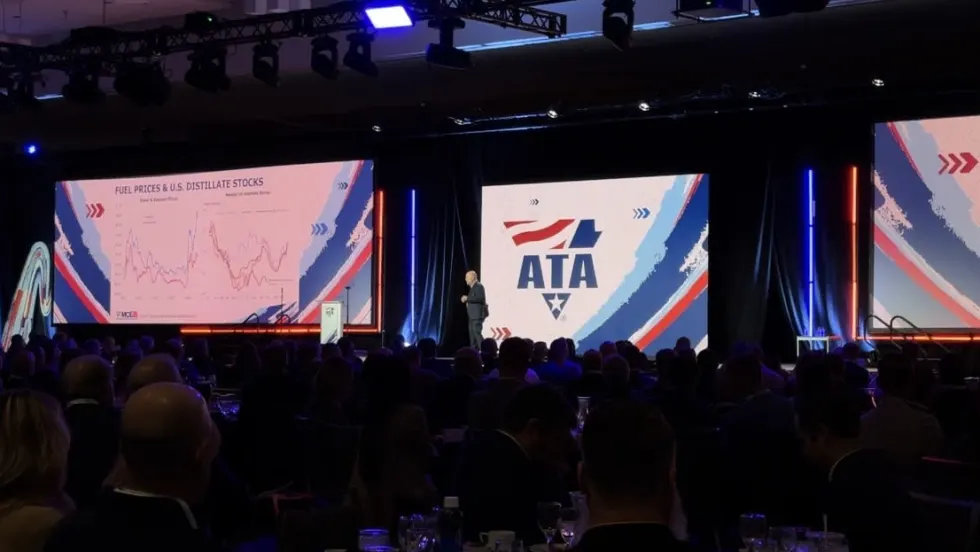
Trucking’s Diesel Squeeze Isn’t Letting Up
With diesel topping $6 a gallon nationally, ATA's Bob Costello explains why fleets should prepare for continued pressure at the pump.
Read More →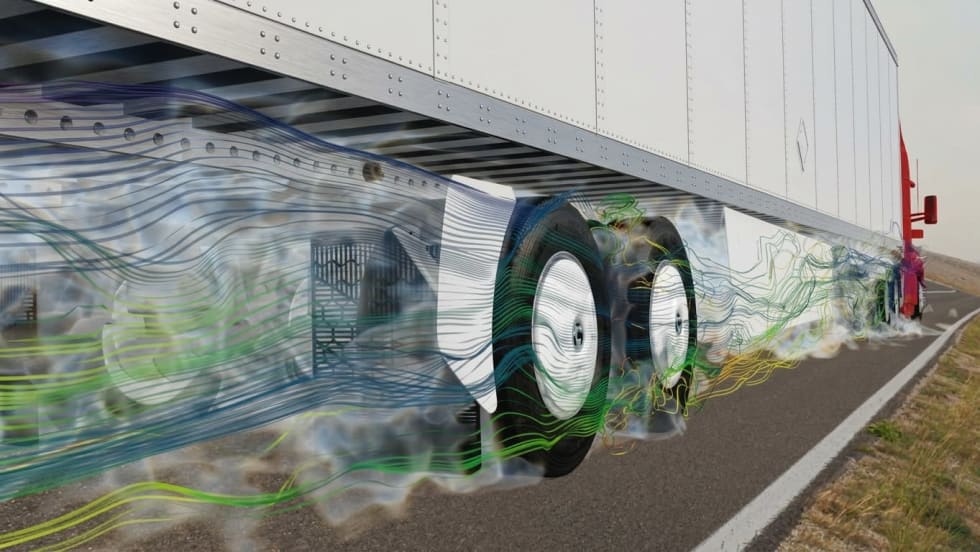
FlowBelow Redesigns Trailer AeroSlider to Cut Fuel Use
The lighter trailer aerodynamic system installs in less than 45 minutes, according to the company, with potential payback in under a year depending on fuel prices and trailer mileage.
Read More →
Why Diesel Price Relief Efforts May Fall Short
Diesel prices have eased from September’s record high, but doubts about additional Russian supply and limits on dyed-diesel tax relief mean trucking fleets still face expensive fuel. And prices could go higher.
Read More →
Why Small Fuel Savings Matter in Trucking
Can better fuel economy help pay for driver raises? In this podcast, GP Transco explains how small efficiency gains create room to reinvest in its people.
Read More →
How GP Transco Cuts Trucking Fuel Costs, a Tenth of a Gallon at a Time
What’s another tenth of a mile per gallon worth? GP Transco shares how equipment upgrades and driver coaching turn small gains into meaningful fuel savings.
Read More →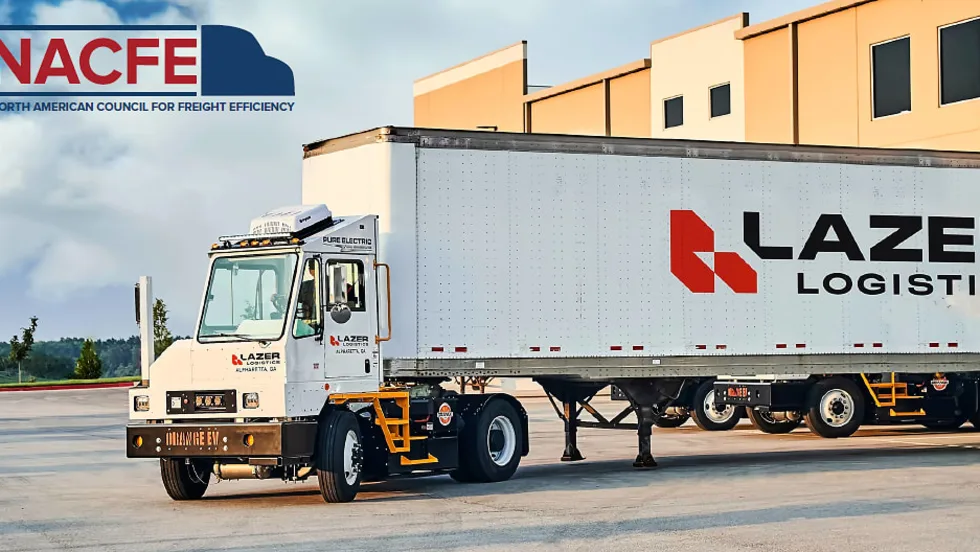
Electric Yard Tractors Move Beyond Pilots
Operating-cost savings have overtaken sustainability goals as the leading reason surveyed fleets are adopting battery-electric terminal tractors, according to new NACFE research.
Read More →
Geotab Links Fleet Card to Vehicle Data
The new card combines fuel discounts with telematics-based purchase controls. Geotab’s analysis also points to potential savings from choosing lower-priced fuel stops.
Read More →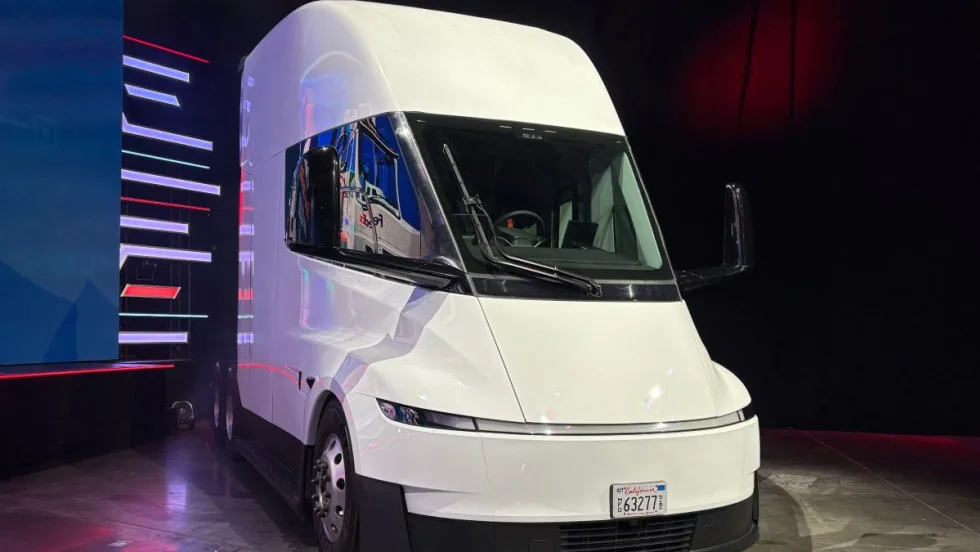
Fleet Economics Shape Electric Truck Outlook
ACT Research expects costs, charging infrastructure, and technology improvements to drive zero-emission commercial vehicle adoption as federal regulations and incentives retreat.
Read More →
Wex Adds Cardless Fuel Payments for Over-the-Road Customers
A new fuel card feature for Wex customers offers convenience and security.
Read More →
New California Law Could Shed Light on Electric Truck Prices
Why do battery-electric Class 8 trucks remain so expensive? A California bill signed by Gov. Gavin Newsom would give fleets and state agencies more visibility into what manufacturers charge.
Read More →