




SmartTruck Refutes Recent Test Results
UPDATED -- Officials with SmartTruck fired back at testing results announced a month ago showing trailer undercarriage air deflectors result in fuel savings far less than some manufacturers are claiming, releasing its own third-party research at the American Trucking Associations' annual convention.


SmartTruck said a recent third-party computational fluid dynamics study conducted by CD-adapco showed SmartTruck’s UT6 trailer aerodynamics system reduces drag by more than 10%, translating into highway fuel savings of approximately 7%
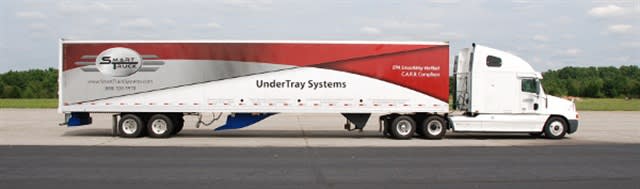
SmartTruck said a recent third-party computational fluid dynamics study conducted by CD-adapco showed SmartTruck’s UT6 trailer aerodynamics system reduces drag by more than 10%, translating into highway fuel savings of approximately 7%
ORLANDO (UPDATED)—Officials with SmartTruck fired back at testing results announced a month ago showing trailer undercarriage air deflectors result in fuel savings far less than some manufacturers are claiming.
Speaking to the press during the American Trucking Association’s Management Conference and Exhibition this week, SmartTruck said a recent third-party computational fluid dynamics study conducted by CD-adapco showed SmartTruck’s UT6 trailer aerodynamics system reduces drag by more than 10%, translating into highway fuel savings of approximately 7%.
CD-adapco is the world's largest independent CFD-focused provider of engineering simulation software, support and services, according to SmartTruck, which says the company has more than 30 years of experience in delivering industrial-strength engineering simulation. The full report is expected to be available in November, providing additional analysis and methodology for the study results.
On its website SmartTruck claims a 5.5% fuel saving for its basic UT1 undertray device, and up to a 10.5% improvement for the more elaborate UT6 configuration. However, track tests by Quebec-based Performance Innovation Transport found undercarriage trailer systems offered by SmartTruck and other makers improved fuel economy by no more than 2.2%.
SmartTruck says the results from CD-adapco are right in line with not only SmartTruck’s internal testing using multiple methods, but also with what “customers are reporting out on the road—even in comparison to other aerodynamic products.”
SmartTruck says it is at the forefront of additional testing methods such as CFD and “coast-down testing” in addition to SAE J1321 testing, as well as using smaller fleets and owner-operators to provide real-world results that it says match up with its many other testing methods.
“Testing is not a perfect process,” said Mike Henderson, chief scientist for SmartTruck, while he was in Orlando. “You have to test many times. You have to take repeat runs. You have to take the average and you have to watch the weather because it will ruin some kinds of testing.”
When asked if SmartTruck has ever worked directly with PIT, he said SmartTruck attempted one test with them but “dropped out of it because they took shortcuts.”
In a separate interview with PIT at the show, Yves Provencher, director of PIT, said that this was actually the second time the group had tested the SmartTruck fairings; the first time was about two years ago, and again the results were less than what SmartTruck had obtained in other testing. PIT, he said, wanted to run the test again to double-check the results.
"We always make sure we run it with stringent proocols," Provencher said, and get confirmation in writing from supplier representatives on-site that devices are installed properly and the test is run as it is supposed to.
Related Story:
More Fuel Smarts

Record Diesel Prices Squeeze Trucking Fleets
Average U.S. diesel prices have climbed to nearly $6 a gallon, surpassing the 2022 record as tight refinery capacity and Middle East disruptions keep fuel costs elevated.
Read More →
How Fuel Delivery Shapes Engine Performance
Fuel delivery depends on more than what happens at the injector. For fleet, maintenance and technical professionals, looking at the full path from pump to injector can provide useful context for understanding engine performance.
Read More →
East Coast Port Launches $45M Electric Truck Push
The Port Authority of New York and New Jersey announced millions in incentives for zero-emission drayage trucks, yard tractors, and new charging hubs near the port.
Read More →

California Bill Could Shed Light on Electric Truck Prices
Why do battery-electric Class 8 trucks remain so expensive? A California bill headed to Gov. Gavin Newsom would give fleets and state agencies more visibility into what manufacturers charge.
Read More →
Detroit Opens Orders for EPA 2027 Engines
Detroit isn’t starting from scratch to meet EPA 2027 diesel emissions standards. Its Gen 6 DD13 and DD15 engines keep much of today’s platform while updating the fuel and aftertreatment systems.
Read More →
Zero-Emission Truck Corridor Planned for West Coast
California, Oregon, Washington, British Columbia and Baja California are coordinating plans for truck charging and hydrogen fueling from Canada to Mexico.
Read More →
A Closer Look at Kenworth’s Electric T880E Vocational Truck [Video]
Learn more about Kenworth's T880E battery-electric vocational truck at the Paccar Technical Center, including its range, applications, upfitting considerations, and PTO options, in this HDT Spotlight video.
Read More →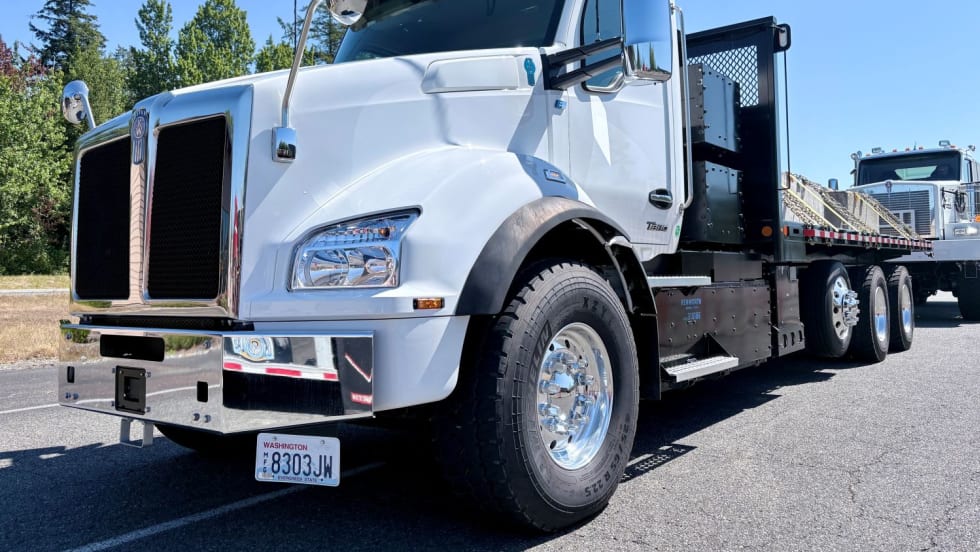
Kenworth T880E Brings EV Power to Vocational Trucks
A closer look at the Kenworth T880E’s range, charging, powertrain and upfit options — and where fleets are showing the most interest.
Read More →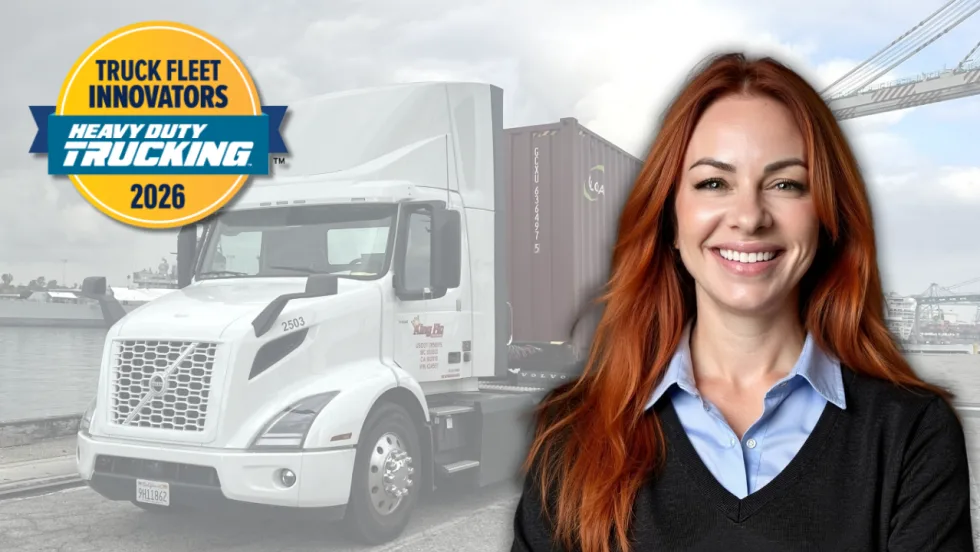
Jennie Abarca Is Proving Electric Trucks Can Do the Job
HDT Truck Fleet Innovator Jennie Abarca is building confidence in fleet electrification one load at a time while openly sharing the challenges she encounters along the way as a small-fleet owner.
Read More →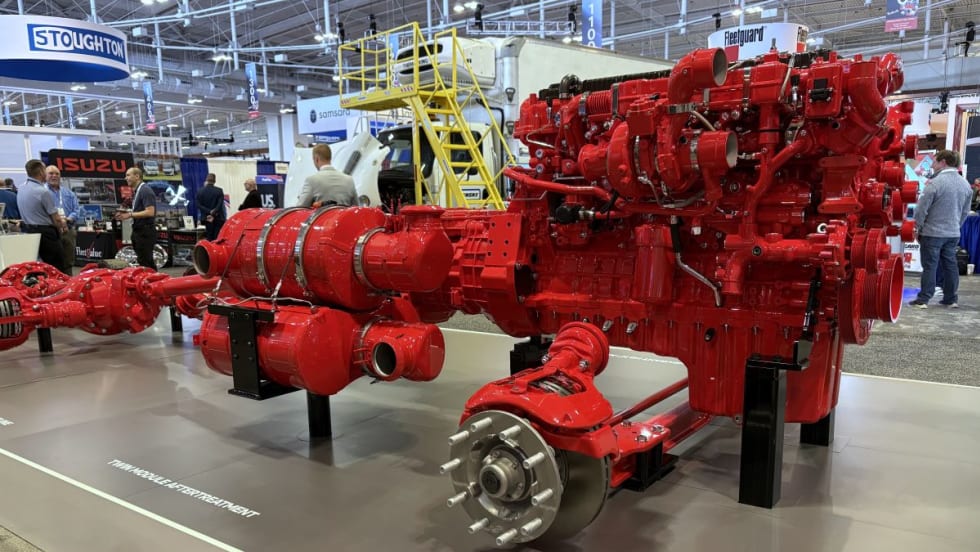
Cummins Adjusts 2027 Engine Rollout After EPA Proposal
The engine maker will gradually introduce its new Model Year 2027 diesel engines while continuing to offer current models during the transition, citing the EPA's proposed emissions rule changes.
Read More →