




Part 1: Emissions Yesterday, Today and Tomorrow: Where We've Been
Emissions Yesterday, Today and Tomorrow: Changing the Focus
A great deal of controversy already surrounds this next phase of the fuel economy and GHG reduction effort, as President Obama demanded in February of last year.
by Rolf Lockwood
April 15, 2015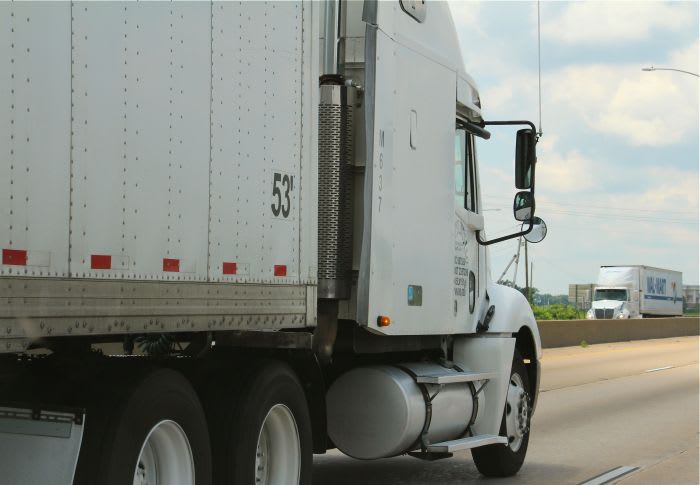
Photo: Evan Lockridge
3 min to read
Photo: Evan Lockridge
After more than a decade of painful NOx and particulate emissions regulations, things got interesting in altogether new ways with a 2010 decree by President Obama that the EPA, working with the National Highway Traffic Administration, should attack things differently.
The 2014 fuel economy and greenhouse gas regulations, finalized in August 2011, are known as Phase 1 of a longer-term GHG plan. Given the breadth of applications in the truck world, they're complex and at first blush seem arbitrary. The GHG targets are mainly carbon dioxide (CO2) but also methane and nitrous oxide.
Official projections tell us that this effort will save 530 million barrels of oil, 270 million metric tons of GHGs, and US$50 billion in fuel costs.
The rules divide trucks into three groups, starting at 8,500 lb GVW, thus including medium- and heavy-duty pick-ups and vans, trailer-pulling tractors, and vocational vehicles. Note that whole tractor-trailers are not targeted.
Starting with 2014, tractors must achieve as much as a 20% reduction in CO2 emissions and fuel consumption by 2017. There are separate engine standards; heavy-duty engines had to have a 3% improvement last year rising to 6% by 2017.
For heavy-duty pickup trucks and vans, the standard demands a phased-in improvement reaching 15% by the 2018 model year.
Mixers, refuse haulers, and other vocational machines have to get to a 10% reduction in fuel consumption by 2017. Again, separate engine standards apply, which called for a 5% improvement last year, rising to 9% by 2017.
In practice, none of this caused a stir last year, and by all accounts targets were met with ordinary improvements of existing hardware and software. Obviously, things will get tougher as 2017 approaches but it's unlikely that radically new hardware -- like waste-heat recovery -- will be required.
And Phase 2?
A great deal of controversy already surrounds this next phase of the fuel economy and GHG reduction effort, as President Obama demanded in February of last year. Nothing is yet clear.
We do know that the second phase will demand even tougher carbon dioxide and fuel-consumption reductions in heavy- and medium-duty trucks. And we know that we'll see the first draft of a rule in June followed by a final regulation some time in 2016. (Originally the draft was due in March.) Our firm knowledge stops there.
It's likely that testing procedures will change. Phase 1 is being dealt with entirely by computer modelling, and while that general approach is likely to continue, things seem bound to get more rigorous.
Among the key issues is whether trailers should be added to the mix. It's likely, and it's equally likely that certain aerodynamic devices will be required.
The biggest single issue may be the way engines are dealt with. There are two camps, one saying they should continue to be tested separately, the other -- not surprisingly led by the truck makers with their own diesels -- urging that the whole truck should be tested.
We'll have a closer look at this and other Phase 2 issues in the next installment.
Subscribe to Our Newsletter
More Fuel Smarts
Trucking’s Diesel Squeeze Isn’t Letting Up
With diesel topping $6 a gallon nationally, ATA's Bob Costello explains why fleets should prepare for continued pressure at the pump.
Read More →
FlowBelow Redesigns Trailer AeroSlider to Cut Fuel Use
The lighter trailer aerodynamic system installs in less than 45 minutes, according to the company, with potential payback in under a year depending on fuel prices and trailer mileage.
Read More →
Why Diesel Price Relief Efforts May Fall Short
Diesel prices have eased from September’s record high, but doubts about additional Russian supply and limits on dyed-diesel tax relief mean trucking fleets still face expensive fuel. And prices could go higher.
Read More →
Why Small Fuel Savings Matter in Trucking
Can better fuel economy help pay for driver raises? In this podcast, GP Transco explains how small efficiency gains create room to reinvest in its people.
Read More →
How GP Transco Cuts Trucking Fuel Costs, a Tenth of a Gallon at a Time
What’s another tenth of a mile per gallon worth? GP Transco shares how equipment upgrades and driver coaching turn small gains into meaningful fuel savings.
Read More →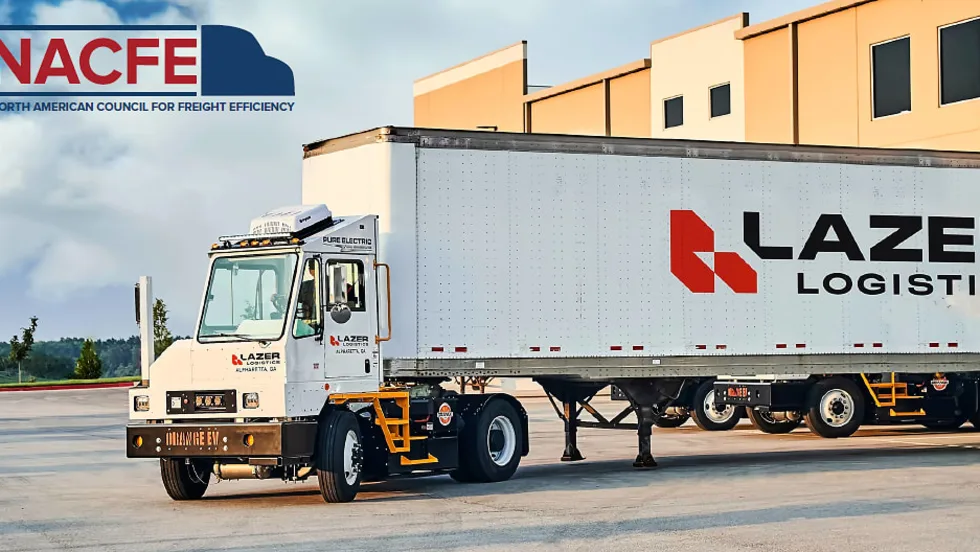
Electric Yard Tractors Move Beyond Pilots
Operating-cost savings have overtaken sustainability goals as the leading reason surveyed fleets are adopting battery-electric terminal tractors, according to new NACFE research.
Read More →
Geotab Links Fleet Card to Vehicle Data
The new card combines fuel discounts with telematics-based purchase controls. Geotab’s analysis also points to potential savings from choosing lower-priced fuel stops.
Read More →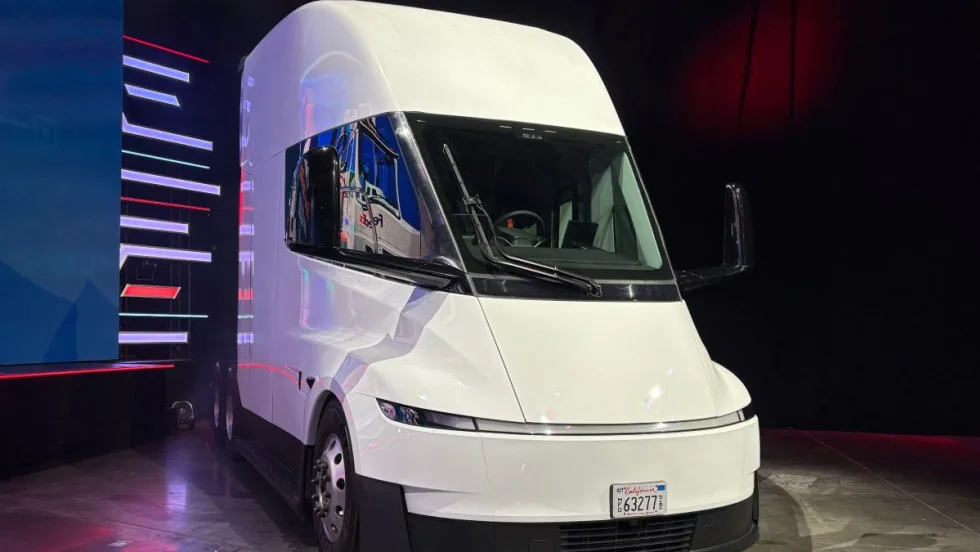
Fleet Economics Shape Electric Truck Outlook
ACT Research expects costs, charging infrastructure, and technology improvements to drive zero-emission commercial vehicle adoption as federal regulations and incentives retreat.
Read More →
Wex Adds Cardless Fuel Payments for Over-the-Road Customers
A new fuel card feature for Wex customers offers convenience and security.
Read More →
New California Law Could Shed Light on Electric Truck Prices
Why do battery-electric Class 8 trucks remain so expensive? A California bill signed by Gov. Gavin Newsom would give fleets and state agencies more visibility into what manufacturers charge.
Read More →