





Related: ELDs So Far— Stories From the Road
FMCSA: Carriers Stymied by PeopleNet AOBRD Issue May Seek Exemption
The FMCSA is considering a request by one motor carrier for a one-year exemption from electronic logging rules so that its AOBRD/ELD provider can provide a specific type of software as having been made “on behalf of all motor carriers in similar situations concerning the integration of PeopleNet’s ELD software into fleet management systems.”
February 1, 2018

Old Dominion Freight Line is seeking a one-year exemption from the ELD mandate. Photo: ODFL
2 min to read

The Federal Motor Carrier Safety Administration is considering a request by one motor carrier for a one-year exemption from electronic logging rules so that its AOBRD/ELD provider can provide a specific type of software as having been made “on behalf of all motor carriers in similar situations concerning the integration of PeopleNet’s ELD software into fleet management systems.”
The agency’s announcement, published in the Federal Register for Jan. 31, includes a call for public comment on the notice of application for exemption made by Old Dominion Freight Line. Presumably, given FMCSA’s assertion about what the ODFL application represents, comments may include remarks by fleets that amount to requests for the very same exemption.
Earlier last month, FMCSA issued a 90-day exemption to ODFL and other PeopleNet customers to address a portion of the ELD rule’s grandfather clause, which states that if a fleet adds any trucks between now and 2019, they must use an ELD, not an AOBRD. That short-term exemption gives affected fleets until March 18, 2018 to integrate their existing AOBRDs to fleet management and safety systems.
“Old Dominion requests this exemption to allow the company to install ELD devices running on automatic on-board recording device (AOBRD) software in commercial motor vehicles added to the company’s fleet for up to one year from the December 18, 2017, ELD mandate compliance date,” FMCSA explained in its Jan. 31 notice. “If granted, this modified ELD phase-in period will allow Old Dominion’s AORBD/ELD provider, PeopleNet, to complete the development of the software necessary to integrate ELD data with the company’s fleet management and safety systems to fully meet the ELD mandate.”
FMCSA further explained that ODFL began equipping trucks with PeopleNet AOBRDs in 2010 and that data from the AOBRDs feed directly into the company’s fleet management and safety systems. However, before the AOBRD system that ODFL uses can meet ELD requirements, certain AOBRD software changes must be made by PeopleNet, including disabling the ‘‘skip feature;’’ limiting the auto-duty status change threshold to 5 miles; and limiting geofencing of yard time to 0.5 miles. The agency added that, according to ODFL, once these changes are fully implemented, the PeopleNet system it uses will meet the ELD requirements.
Comments, identified by docket number FMCSA–2018–0002 must be received on or before March 2, 2018, and may be submitted here.
More Fleet Management
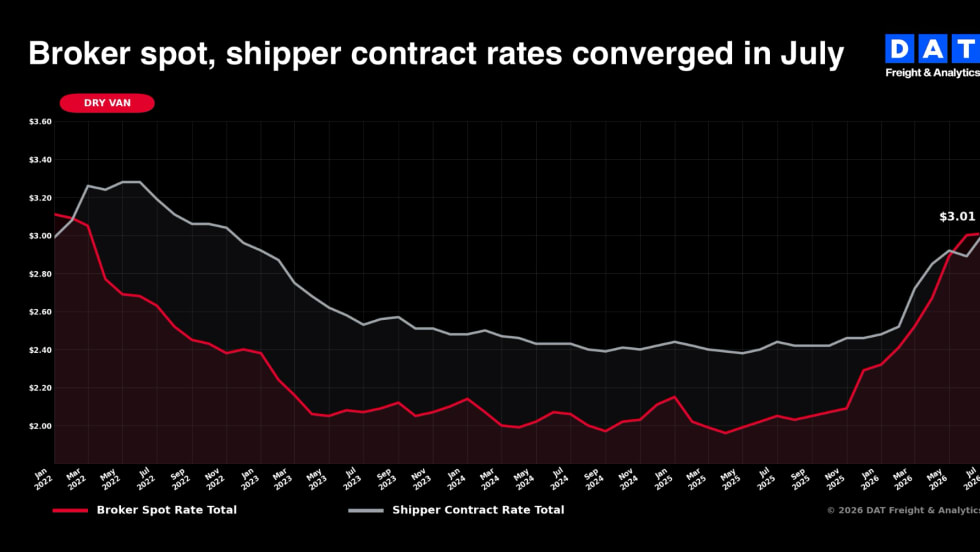
Tight Trucking Capacity Pushes Rates Higher Even as Freight Volumes Fall
“Spot rates moving ahead of contract rates have historically signaled a tightening market, but we haven’t seen a capacity-driven market quite like this one,” said DAT's Dean Croke.
Read More →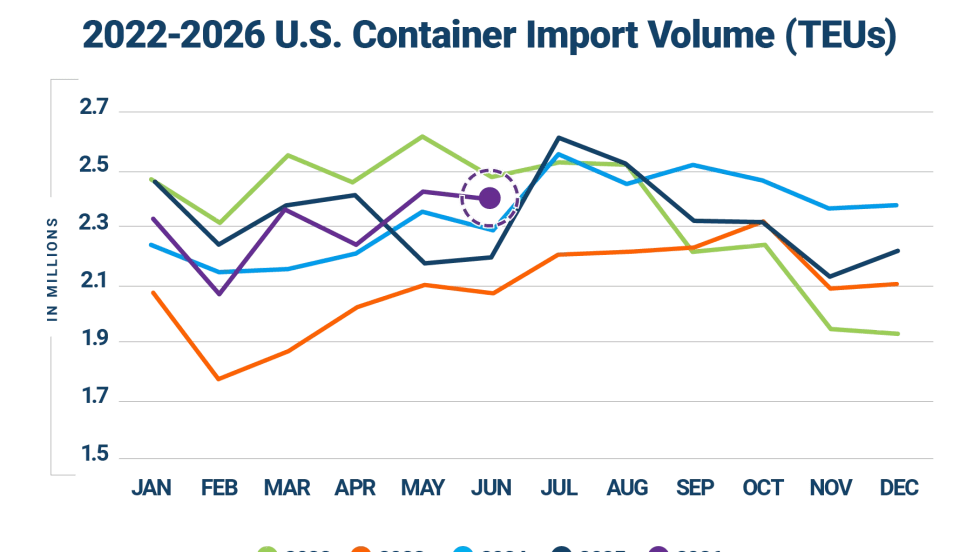
Import Cargo’s Early Peak Season is Winding Down
There was an early start to peak season this year at the nation's gateway ports, as retailers brought in merchandise ahead of tariff changes in late July and responded to other supply chain uncertainties,
Read More →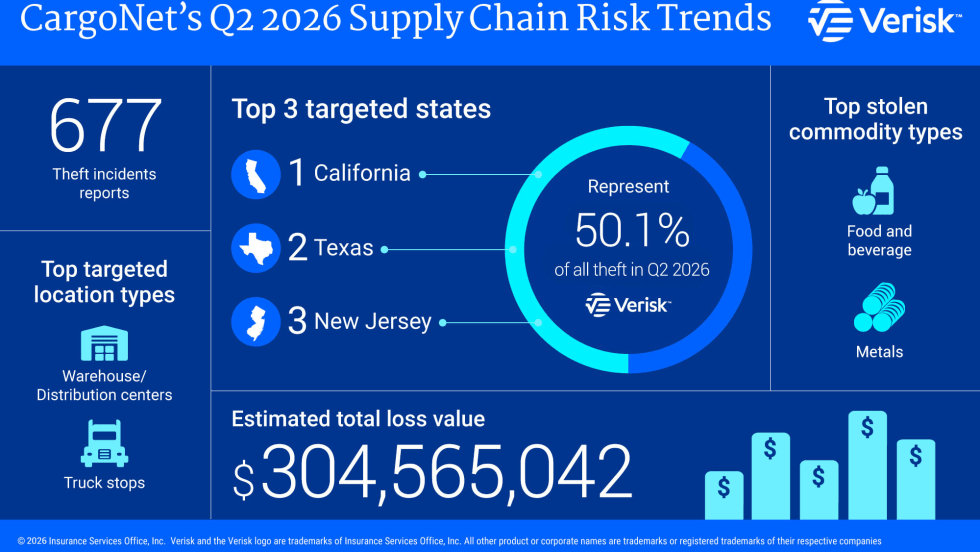
Fewer Cargo Thefts, Bigger Losses: Criminals Target Higher-Value Loads
CargoNet says organized theft rings are stealing fewer shipments but choosing more valuable freight, including metals and technology, resulting in record losses.
Read More →
How Innovative Trucking Leaders Turn Change Into an Advantage
As the pace of change accelerates in trucking, the fleets that adapt best have more than the latest technology. They have cultures that embrace improvement.
Read More →
Freight Broker Bonds Just Got Harder to Get. Here's What That Means for Your Fleet.
When it gets harder for a freight broker to prove they are financially sound, the ones who cannot clear that bar get pushed out of the market. And those are exactly the brokers who used to leave motor carriers holding the bag.
Read More →
Long-Awaited Canadian Border Bridge to Open in Detroit
For trucking, the bridge opening should offer immediate improvements in efficiency and reliability, with new customs facilities, expanded inspection capacity, and direct freeway-to-freeway connections.
Read More →
Aurora Rolls Out Next Generation of Driverless Trucks for Commercial Freight
Aurora's latest autonomous trucks it's rolling out with International feature lower-cost hardware designed for a million miles as the company expands commercial driverless freight operations across the U.S. Sun Belt.
Read More →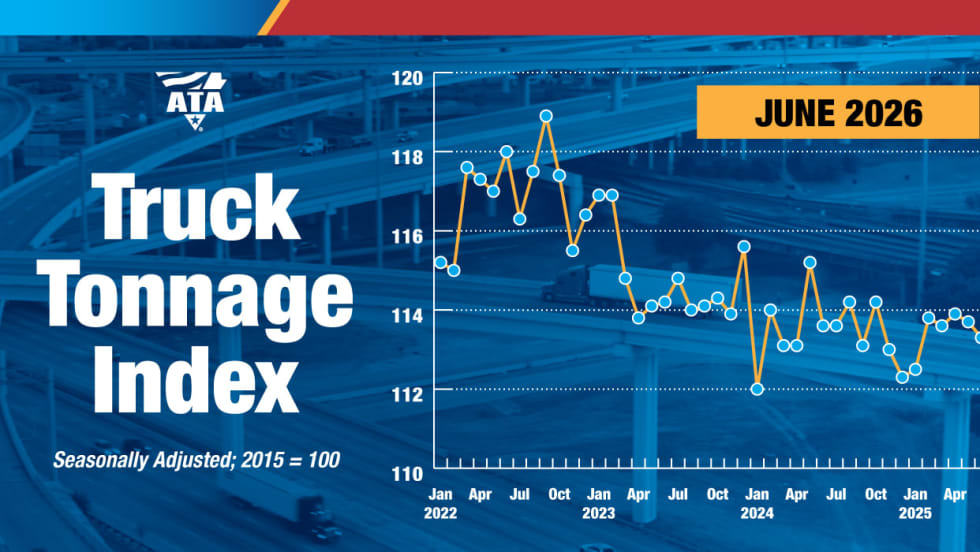
Freight Tonnage Down, Rates up, as Lower Capacity Powers Trucking Recovery
The recovery from the freight recession continues to be driven by reduction in capacity rather than by increased demand.
Read More →
Think Your Trucking Fleet Isn't Using Much AI? Think Again
Shadow AI — the use of unauthorized artificial intelligence tools at work — is becoming increasingly common, putting sensitive company data at risk. Learn how trucking fleets can protect sensitive data while embracing AI.
Read More →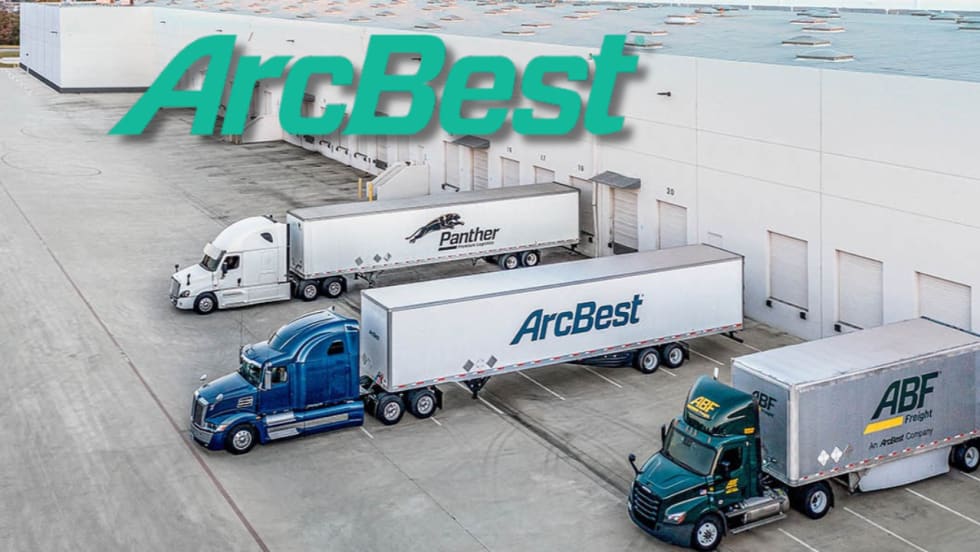
ArcBest Consolidates Brands, Cuts Workforce
The company will bring three business units under the ArcBest brand, eliminate about 2% of positions, and expects the changes to generate $40 million in annual savings.
Read More →