




NHTSA: Highway Deaths Rise Again, Including Those Involving Trucks
The latest traffic crash data compiled by the National Highway Traffic Safety Administration shows that 37,461 lives were lost on U.S. roads in calendar year 2016 – marking a significant increase of 5.6% over the same period in 2015.

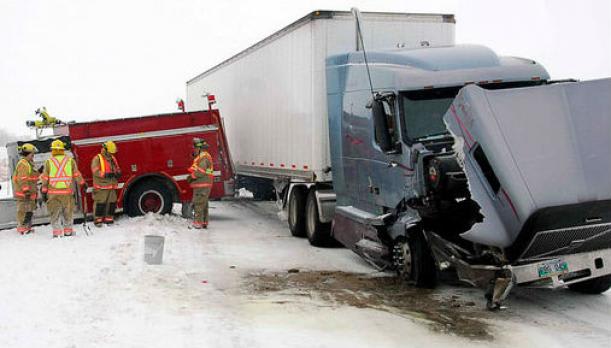
Photo: FMCSA
Photo: FMCSA
The latest traffic crash data compiled by the National Highway Traffic Safety Administration shows that 37,461 lives were lost on U.S. roads in calendar year 2016 – marking a significant increase of 5.6% over the same period in 2015.
NHTSA also found that the number of vehicle miles traveled on U.S. roads increased by 2.2% last year. That resulted in a fatality rate of 1.18 deaths per 100 million VMT – equating to 2.6% increase from the previous year.
As to fatalities resulting from crashes involving large trucks, the agency recorded a 5.4% jump in those over 2015, the highest since 2007. Of those 4,317 fatalities, 16.7% (722 persons) were occupants of large trucks, 10.8% were “non-occupants,” and 72.4% were occupants of other vehicles.
Another key finding was a drop in overall fatalities tied to distracted and drowsy driving. Distraction-related deaths fell 2.2% (3,450 fatalities) and drowsy-driving deaths dropped 3.5% (803 fatalities).
On the other hand, deaths related to “other reckless behaviors – including speeding, alcohol impairment, and not wearing seat belts – continued to increase.”
Also of interest: Motorcyclist and pedestrian deaths together accounted for more than a third of the year-to-year increase in total highway fatalities.
Here are the categories that saw increases in the rate of fatalities for 2016:
Drunk-driving deaths (10,497 fatalities) increased 1.7%
Speeding-related deaths (10,111 fatalities) increased 4.0%
Unbelted deaths (10,428 fatalities) increased by 4.6%
Motorcyclist deaths (5,286 fatalities – the largest number of motorcyclist fatalities since 2008) increased 5.1%
Pedestrian deaths (5,987 fatalities – the highest number since 1990) increased by 9.0%
Bicyclist deaths (840 fatalities – the highest number since 1991) increased 1.3%
NHTSA stated that some 94% of serious crashes involve drivers who make “poor choices.”
The agency noted in a statement that it will continue to promote vehicle technologies that “hold the potential to reduce the number of crashes and save thousands of lives every year, and may eventually help reduce or eliminate human error and the mistakes that drivers make behind the wheel.”
More Fleet Management
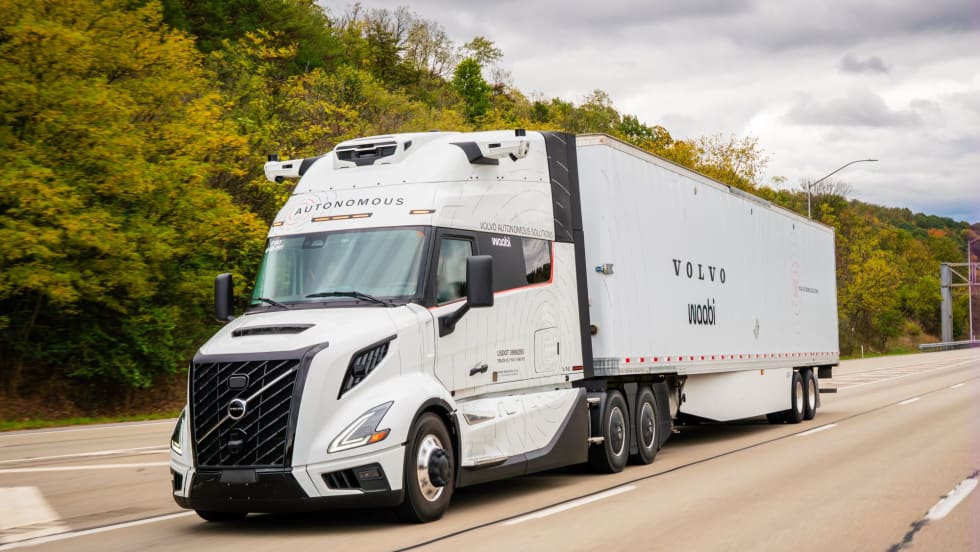
Volvo, Waabi Start Commercial Autonomous Operations in Texas
Volvo VNL Autonomous trucks, powered by the Waabi Driver, are hauling freight directly to third-party facilities for a customer in Texas.
Read More →
Samsara Launches Custom AI Agent Builder
Agent Studio lets fleets create AI tools for hours-of-service monitoring, reporting and driver support, including agents that communicate by phone.
Read More →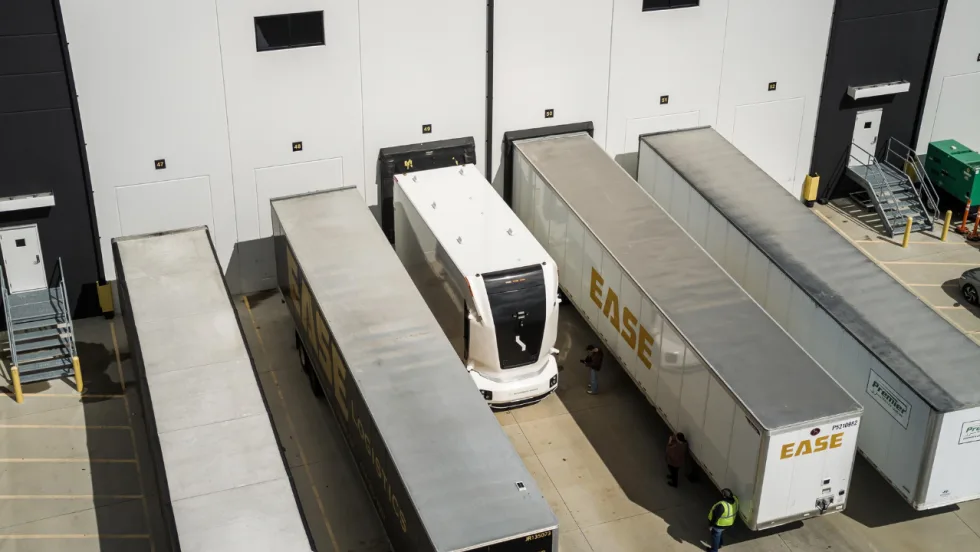
Einride Driverless Electric Trucks Begin Daily Freight Operations in Ohio
Two cabless electric trucks are hauling freight between EASE Logistics facilities in Marysville, Ohio, as part of a multi-state truck automation project.
Read More →
Geotab Links Fleet Card to Vehicle Data
The new card combines fuel discounts with telematics-based purchase controls. Geotab’s analysis also points to potential savings from choosing lower-priced fuel stops.
Read More →
How MFA Helps Protect Trucking Fleets
Multi-factor authentication adds protection when passwords are stolen. Here’s how it works and where fleets should start.
Read More →
How Better Freight Data Helps Trucking Teams Get Ahead of Disruption
Trucking and logistics teams have plenty of data. The problem is getting the right information in front of the right people soon enough to act. Better-connected data can help teams spot trouble earlier and make smarter decisions before small problems become big ones.
Read More →
Trimble: Taking Artificial Intelligence in Trucking Beyond Faster Tasks
At Insight 2026, Trimble executives argued that fleets may need to redesign workflows to get more from AI as it introduced new products and enhancements. AI’s value will depend on how fleets combine automation with their people's knowledge.
Read More →
Build a bulletproof fleet: Uniting ELDs and dash cams for total compliance
An ELD can prove compliance, but it cannot always prove what happened on the road. Discover how uniting accurate ELD data with AI-powered dash cam video can help your fleet strengthen compliance, defend against liability, protect drivers and reduce operational costs.
Read More →
Nominations Open for HDT Emerging Leaders
Heavy Duty Trucking is looking for accomplished trucking fleet professionals under 40 who are making an impact and helping lead the industry forward.
Read More →
Why Private Fleets Are Taking More Freight
Private fleets are putting their own trucks on demanding customers and high-cost lanes as companies seek greater control over service, costs, and capacity.
Read More →