




Highway Deaths Climbed 7.2% in 2015; Those Involving Large Trucks Rose 4.1%
Traffic crashes took the lives of 35,092 persons in 2015, marking a 7.2% increase. The number of deaths attributed specifically to crashes involving large trucks jumped 4.1%.

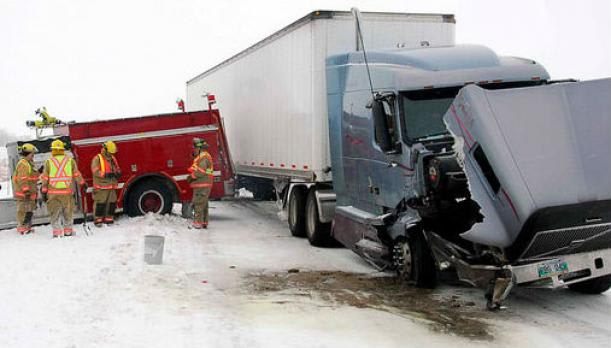
Image: FMCSA
Image: FMCSA
Traffic crashes took the lives of 35,092 persons in 2015, according to final data released Aug 29 by the National Highway Traffic Safety Administration.
That 7.2% increase in highway fatalities from 2014 marks the end of a nearly 50-year trend toward declining fatalities. The largest percentage increase previously was the 8.1-percent rise recorded from 1965 to 1966.
The number of deaths attributed specifically to crashes involving large trucks jumped 4.1%, marking the highest increase in this statistic since 2008. Of the 4,067 large-truck fatalities, 16.4% were occupants of large trucks, 10.1% were non-occupants, and 73.5% were occupants of other vehicles.
The 2015 data also showed that the estimated number of people injured on the roads increased as well, from 2.34 to 2.44 million people, as did the number of police-reported crashes, from 6.0 to 6.3 million.
NHTSA said that traffic deaths increased across nearly every segment of the population, including passenger vehicle occupants, passengers of large trucks, pedestrians and motorcyclists. Also up were alcohol-impaired driving fatalities. Fatalities of drivers of large trucks was one of the few groups that remained unchanged.
Per NHTSA, the number of traffic deaths was nearly 25% higher ten years ago, with 42,708 fatalities reported in 2005. “Since then,” the agency stated, “safety programs have helped lower the number of deaths by increasing seat belt use and reducing impaired driving. Vehicle improvements, including air bags and electronic stability control, have also contributed to reducing traffic fatalities.”
However, NHTSA also pointed out that recently “job growth and low fuel prices… have led to increased driving, including increased leisure driving and driving by young people. More driving can contribute to higher fatality rates. In 2015, vehicle miles traveled (VMT) increased 3.5% over 2014, the largest increase in nearly 25 years.”
Given the sharp reversal 2015 marks in what had been a long-running positive trend, NHTSA, the Department of Transportation and the White House have jointly announced a “call to action” aimed at involving a range of stakeholders to help determine why highway deaths have increased.
For its part, NHTSA said it will share its Fatality Analysis Reporting System with safety partners, state and local officials, policy experts and others. The agency also said that “private sector partners using new data collection technologies will be offering access to unprecedented amounts of data and new visualizations tools.”
"The data tell us that people die when they drive drunk, distracted, or drowsy, or if they are speeding or unbuckled," said NHTSA Administrator Mark Rosekind. "While there have been enormous improvements in many of these areas, we need to find new solutions to end traffic fatalities."
Secretary of Transportation Anthony Foxx said that "solving this problem will take teamwork, so we're issuing a call to action and asking researchers, safety experts, data scientists, and the public to analyze the fatality data and help find ways to prevent these tragedies.”
More Fleet Management

Color Match Smarter: Tools That Restore & Perform
For fleet managers and collision repair professionals keeping heavy-duty trucks on the road, getting the color right the first time isn't just about appearance — it's about efficiency, turnaround time, and bottom-line results. Discover how today's digital color tools are transforming the repair process from guesswork to precision.
Read More →
FMCSA Pauses Biennial-Update Enforcement Amid Motus Transition
Carriers whose updates were due on or after June 1 have more time, while FMCSA works to stabilize its new registration system and warns of phishing sites impersonating its new carrier registration system, Motus.
Read More →
2026 Blueprint for Countering Smarter Supply Chain Theft
Cargo theft is no longer just the cost of doing business. It's a multi-billion-dollar criminal enterprise exploiting vulnerabilities across your fleet, drivers, and supply chain.
Read More →


How Telematics Improves Visibility, Control, and Performance in Refrigerated Fleets
Explore how telematics help refrigerated fleets improve visibility, uptime, efficiency, compliance, and cargo protection across connected cold chain operations.
Read More →
What the U.S.-Canada Trade War Means for Trucking
Escalating U.S.-Canada tariffs could disrupt cross-border freight, reduce truck volumes, raise costs, and create new uncertainty for carriers on both sides of the border.
Read More →
What Are Trucking’s Top Concerns for 2026?
The American Transportation Research Institute wants to know what's worrying trucking fleet managers, drivers, and other stakeholders in its annual Industry Issues survey.
Read More →
American Trucking Associations Looks for a New Leader
ATA President and CEO Chris Spear abruptly left his job at the association on August 21, at a pivotal time for the trucking industry.
Read More →
Public Wi-Fi Cybersecurity Risks: How Truck Drivers and Fleets Can Protect Their Data
Public Wi-Fi can expose truck drivers and fleets to credential theft, malware, and other cyber threats. Here’s how to reduce the risk on the road.
Read More →
For Nicky Cupp, Fleet Innovation Starts With Frustration
HDT Truck Fleet Innovator Nicky Cupp turns everyday pain points at Fraley & Schilling into opportunities for better technology and smarter processes.
Read More →
Adam Buttgenbach’s Approach to Electric Trucks: Start With Where They Fit
HDT Truck Fleet Innovator Adam Buttgenbach helped PepsiCo build one of North America’s largest EV fleets by focusing on where electric trucks make operational sense.
Read More →