




Independence Day to Bring Increased Traffic, Cargo Theft Risk
More Americans than ever will be traveling, and a security firm warns that holiday weekends are notorious risks for for manufacturers and logistics providers because of the high numbers of unattended shipments.
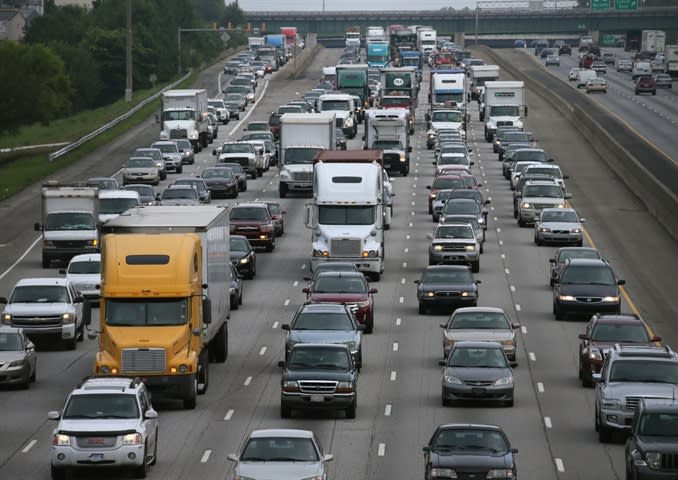
Photo: U.S. Department of Transportation
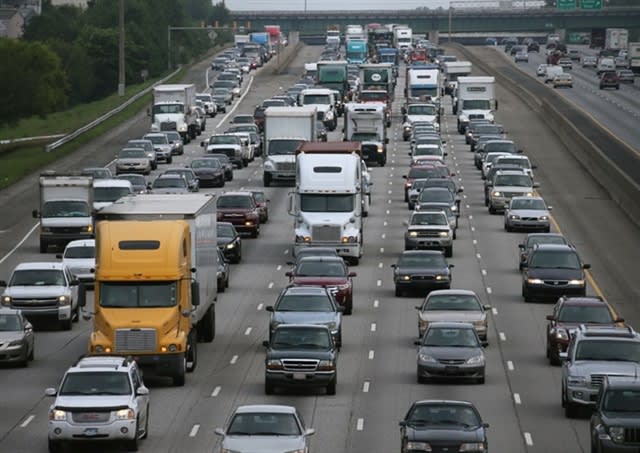
Photo: U.S. Department of Transportation
This Independence Day could see the most traveled 4th of July holiday weekend ever, according to the American Automobile Association, which expects a record-breaking 44.2 million Americans to travel over 50 miles from home this year.
The number is 1.25 million higher than the number of travelers in 2016, a 2.9% increase. The vast majority of travelers, 37.5 million Americans, will drive to their holiday destinations this year, while 3.44 million travelers will fly -- an increase of 4.6% over last year.
“Combined, strong employment, rising incomes and higher consumer confidence bode well for the travel industry, in particular, this Independence Day weekend,” said Bill Sutherland, AAA senior vice president for travel and publishing.
All this traffic contributes to the fact that the 4th of July is officially the most dangerous day to drive in the U.S., according to a study by Geotab, a fleet management company. Over a 10-year period, Independence Day averaged 119 deadly crashes with a fatal crash rate of 14.9. The 4th of July also had the highest percentage of fatal crashes involving alcohol or drugs, with an average of 47%.
Geotab produced an interactive graphic which shows which states have the highest risk of a fatal crash in a year, as well as which day is the most dangerous in each state. The map is accessible here.
“The future of connected vehicle data will enable Geotab to produce more services to help improve road safety and vehicle operating efficiency," said Colin Sutherland, executive vice president.
The extended holiday weekend can also bring increased cargo theft. SensiGuard Supply Chain Intelligence Center warns that holiday weekends are a notoriously high risk for manufacturers and logistics-related organizations because of the high numbers of unattended shipments.
Organized cargo theft rings are often more active during these time periods. This year’s 4th of July falling on a Tuesday means that many facilities will be closed on Monday, extending the weekend and resulting in longer stage times and lower security staffing.
SensiGuard found that in 2015-2016, the average loss value over Independence Day weekend was $365,453, which is 120% higher than the average loss value over the last two calendar years. The company recommends that logistics and security personnel ensure that security protocols are up-to-date and in line with industry best practices for both in-transit and warehouse operations.
SensiGuard strongly suggests confirming in advance that receiver’s hours of operation are consistent with scheduled delivery times. Covert GPS tracking and active monitoring of high-value shipments are highly recommended, as they have proven to be the most effective protocols to both mitigate in-transit theft and facilitate successful recovery of stolen product.
Corrected 1 p.m. EDT June 29 to correct the author of the interactive "Most Dangerous Day to Drive" map. We apologize for any confusion.
More Fleet Management
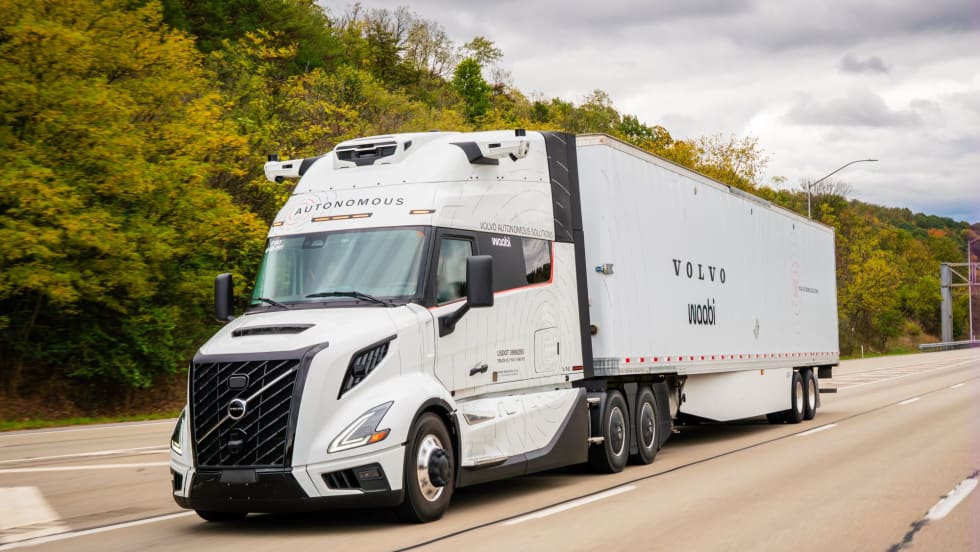
Volvo, Waabi Start Commercial Autonomous Operations in Texas
Volvo VNL Autonomous trucks, powered by the Waabi Driver, are hauling freight directly to third-party facilities for a customer in Texas.
Read More →
Samsara Launches Custom AI Agent Builder
Agent Studio lets fleets create AI tools for hours-of-service monitoring, reporting and driver support, including agents that communicate by phone.
Read More →
Geotab Links Fleet Card to Vehicle Data
The new card combines fuel discounts with telematics-based purchase controls. Geotab’s analysis also points to potential savings from choosing lower-priced fuel stops.
Read More →

How MFA Helps Protect Trucking Fleets
Multi-factor authentication adds protection when passwords are stolen. Here’s how it works and where fleets should start.
Read More →
How Better Freight Data Helps Trucking Teams Get Ahead of Disruption
Trucking and logistics teams have plenty of data. The problem is getting the right information in front of the right people soon enough to act. Better-connected data can help teams spot trouble earlier and make smarter decisions before small problems become big ones.
Read More →
Trimble: Taking Artificial Intelligence in Trucking Beyond Faster Tasks
At Insight 2026, Trimble executives argued that fleets may need to redesign workflows to get more from AI as it introduced new products and enhancements. AI’s value will depend on how fleets combine automation with their people's knowledge.
Read More →
Build a bulletproof fleet: Uniting ELDs and dash cams for total compliance
An ELD can prove compliance, but it cannot always prove what happened on the road. Discover how uniting accurate ELD data with AI-powered dash cam video can help your fleet strengthen compliance, defend against liability, protect drivers and reduce operational costs.
Read More →
Nominations Open for HDT Emerging Leaders
Heavy Duty Trucking is looking for accomplished trucking fleet professionals under 40 who are making an impact and helping lead the industry forward.
Read More →
Why Private Fleets Are Taking More Freight
Private fleets are putting their own trucks on demanding customers and high-cost lanes as companies seek greater control over service, costs, and capacity.
Read More →
Color Match Smarter: Tools That Restore & Perform
For fleet managers and collision repair professionals keeping heavy-duty trucks on the road, getting the color right the first time isn't just about appearance — it's about efficiency, turnaround time, and bottom-line results. Discover how today's digital color tools are transforming the repair process from guesswork to precision.
Read More →