




ATA Again Questions How Rhode Island Will Police Truck-Toll Dodgers
Continuing to battle Rhode Island’s truck-only tolling plan, the American Trucking Associations is again questioning how the Ocean State will restrict trucks from avoiding its planned new automated tolls.

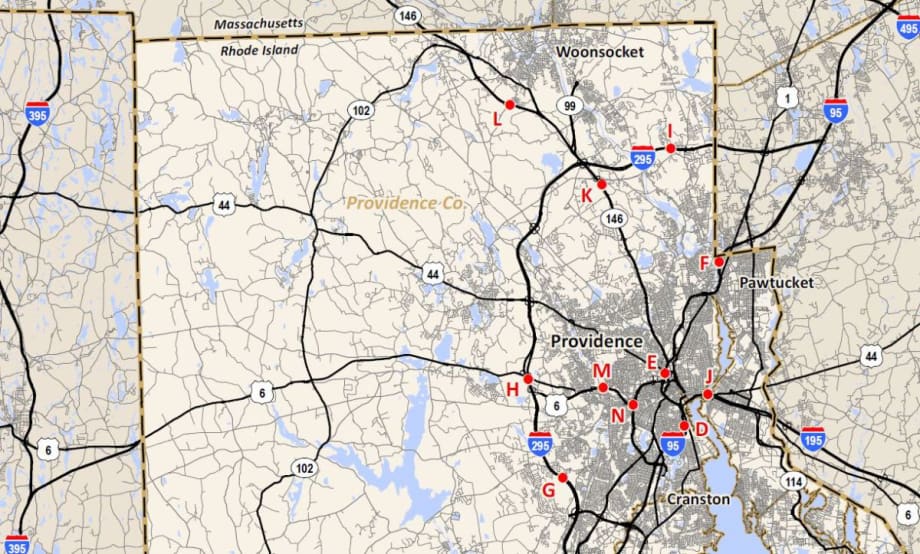
Map shows most of the originally proposed truck-only toll locations in Rhode Island. Image: RI DOT

Continuing to battle Rhode Island’s truck-only tolling plan, the American Trucking Associations is again questioning how the Ocean State will restrict trucks from avoiding its planned new automated tolls.
The R.I. Dept. of Transportation said on Oct. 5 that it has executed 13 Memoranda of Understanding with the Federal Highway Administration. “These MOUs make clear that the federal government agrees with Rhode Island's program to implement bridge tolls on large commercial vehicles” at the specified locations.
ATA said on Oct. 7 that it has asked Rhode Island to provide information about “outreach the state has done to communities that are likely to be affected by an increase in truck traffic as a result of the state’s extortionary” truck-only toll plan.
“According to one such ‘information packet’ obtained by the American Trucking Associations, [the Rhode Island Department of Transportation] intends to prevent diversion of tractor-semitrailers to potential alternative routes through signage limiting truck access to ‘local services,’ along with a variety of state and local enforcement methods,” ATA said in a letter to R.I. DOT dated September 29.
ATA said it has “serious concerns as to how the contemplated restrictions can be reasonably enforced without imposing an unreasonable burden on motor carriers and their customers, truck drivers, other motorists and the citizens of Rhode Island.”
Along with its federation partner the Rhode Island Trucking Association, ATA has loudly opposed the toll scheme since it was first proposed by Gov. Gina Raimando (D) in 2015.
“We have said from the beginning that the governor and politicians in Providence are attempting to extort revenue from our industry– using the trucks that deliver their state’s goods as a piggybank to avoid making the tough choices that are necessary to maintain the state’s roads and bridges,” said ATA President and CEO Chris Spear.
“We will continue to fight these discriminatory and unjust tolls and as other states have learned, we will not stop until this plan is abandoned," he added.”
“This plan is bad for our industry, but it is also bad for Rhode Islanders who will see costs and congestion rise as a result,” said RITA President Chris Maxwell. “The only beneficiaries of Gov. Raimondo’s plan are her cronies and politicians in Providence who get to once again kick the can down the road when it comes to a real, sustainable highway funding solution.”
More Fleet Management
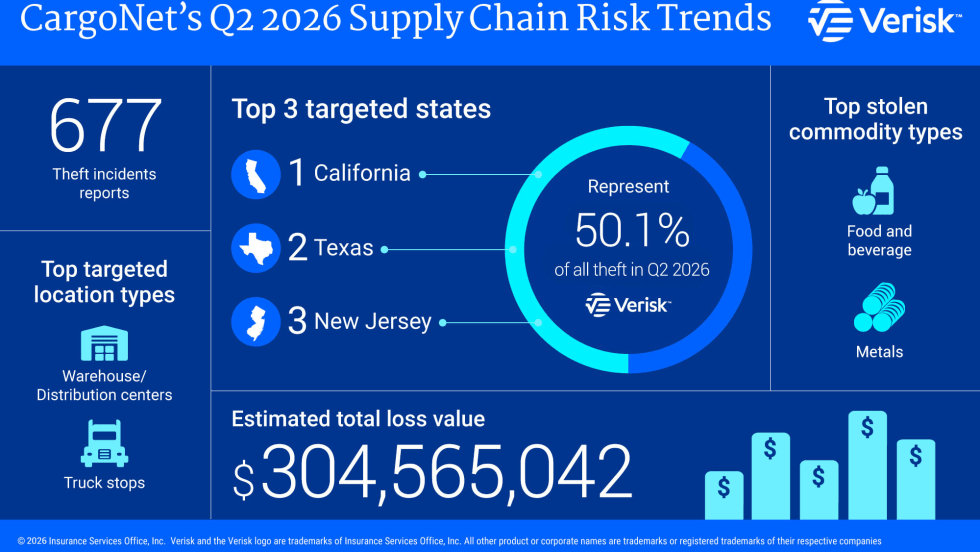
Fewer Cargo Thefts, Bigger Losses: Criminals Target Higher-Value Loads
CargoNet says organized theft rings are stealing fewer shipments but choosing more valuable freight, including metals and technology, resulting in record losses.
Read More →
How Innovative Trucking Leaders Turn Change Into an Advantage
As the pace of change accelerates in trucking, the fleets that adapt best have more than the latest technology. They have cultures that embrace improvement.
Read More →
Freight Broker Bonds Just Got Harder to Get. Here's What That Means for Your Fleet.
When it gets harder for a freight broker to prove they are financially sound, the ones who cannot clear that bar get pushed out of the market. And those are exactly the brokers who used to leave motor carriers holding the bag.
Read More →
Long-Awaited Canadian Border Bridge to Open in Detroit
For trucking, the bridge opening should offer immediate improvements in efficiency and reliability, with new customs facilities, expanded inspection capacity, and direct freeway-to-freeway connections.
Read More →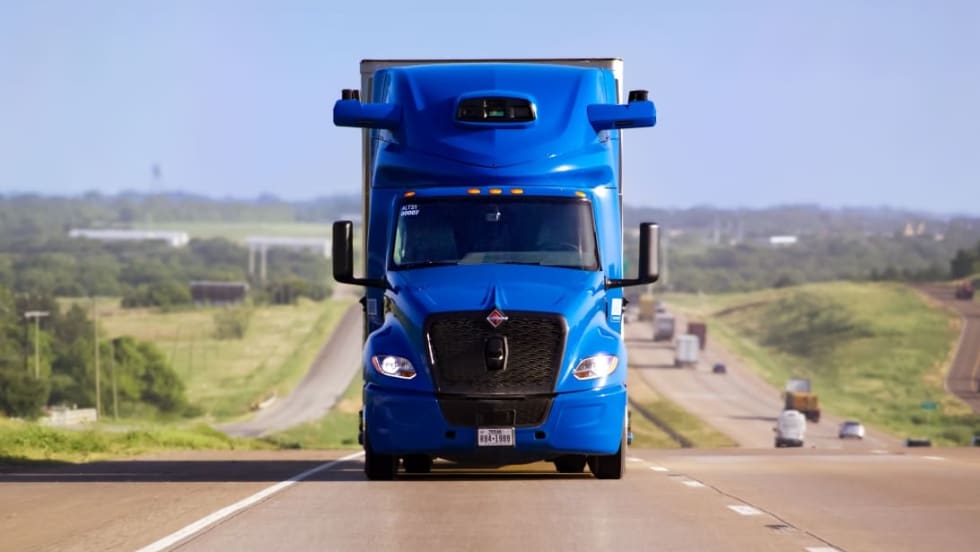
Aurora Rolls Out Next Generation of Driverless Trucks for Commercial Freight
Aurora's latest autonomous trucks it's rolling out with International feature lower-cost hardware designed for a million miles as the company expands commercial driverless freight operations across the U.S. Sun Belt.
Read More →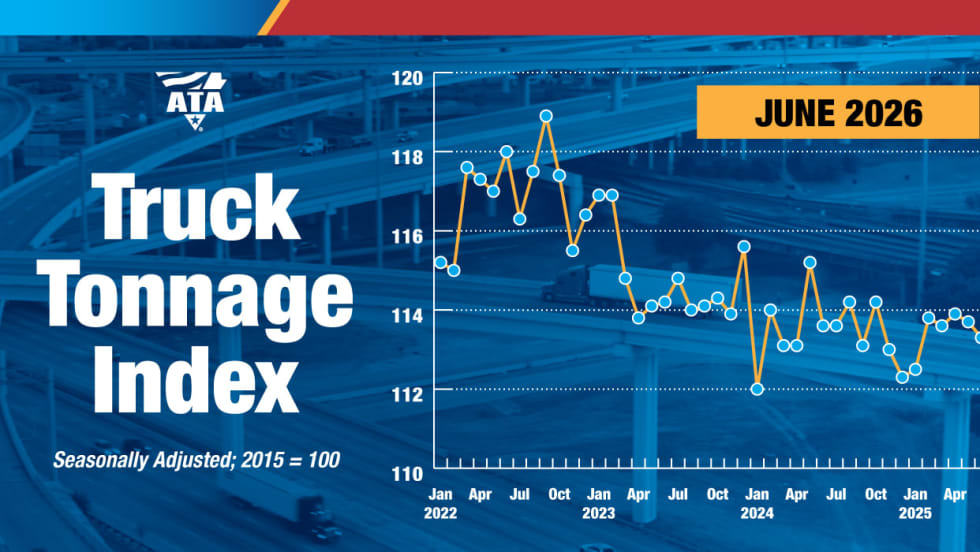
Freight Tonnage Down, Rates up, as Lower Capacity Powers Trucking Recovery
The recovery from the freight recession continues to be driven by reduction in capacity rather than by increased demand.
Read More →
Think Your Trucking Fleet Isn't Using Much AI? Think Again
Shadow AI — the use of unauthorized artificial intelligence tools at work — is becoming increasingly common, putting sensitive company data at risk. Learn how trucking fleets can protect sensitive data while embracing AI.
Read More →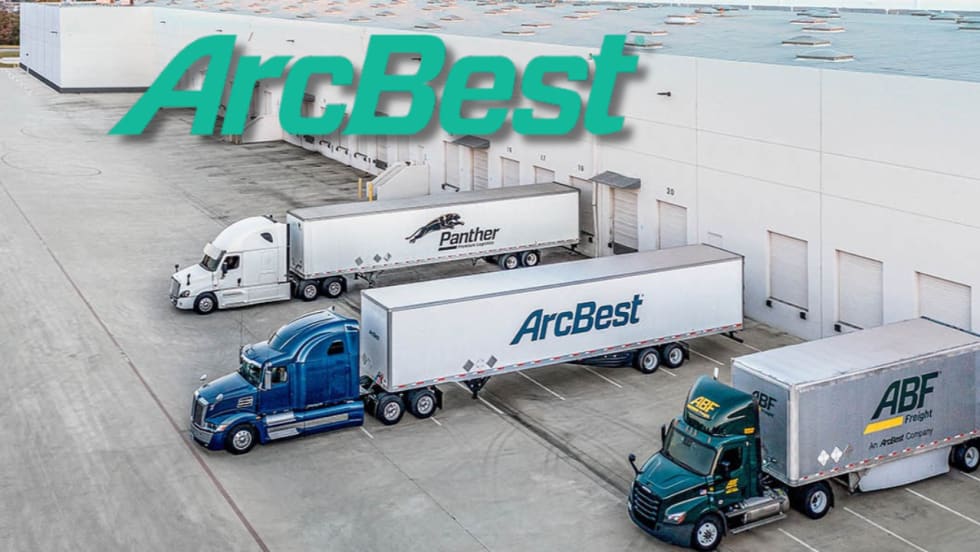
ArcBest Consolidates Brands, Cuts Workforce
The company will bring three business units under the ArcBest brand, eliminate about 2% of positions, and expects the changes to generate $40 million in annual savings.
Read More →
Trucking Fleets Faced Record Operating Costs During Third Year of Freight Recession
ATRI's annual operational cost report shows carriers trimmed fleets, delayed equipment purchases, and ran older trucks as expenses continued to outpace freight rates.
Read More →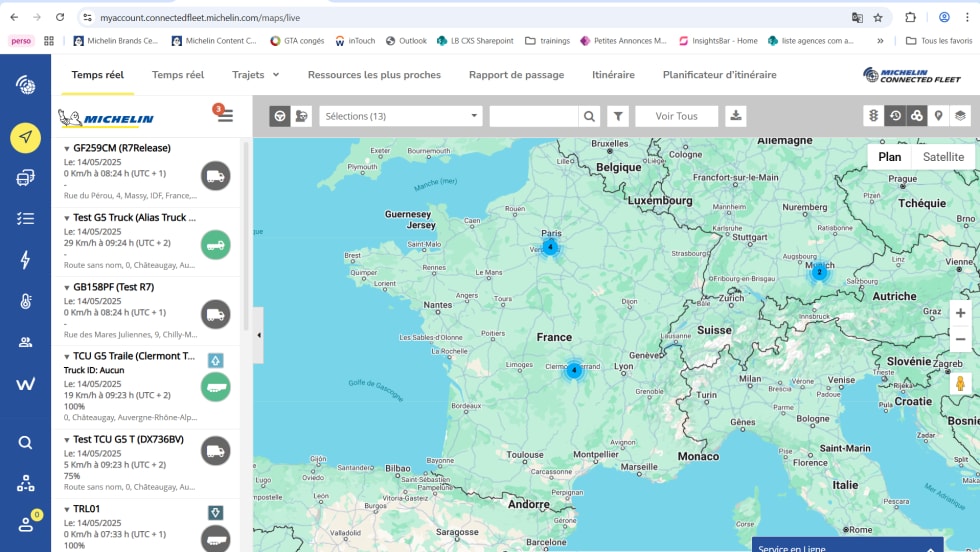
Michelin Adds AI Assistant to MyConnectedFleet Platform
Michelin’s new generative AI tool delivers instant fleet insights, helping managers analyze fuel use, tire maintenance, vehicle status, and operational performance without manually creating reports.
Read More →