





Related: Trucking Execs Urge Senators to Turn Down ‘Twin 33’ Trailers
Trucking Alliance: Senate Should Ditch Funding Riders that “Compromise Safety”
The Trucking Alliance is urging the Senate to reject riders to the funding bill that “would compromise truck safety” by reducing funding for certain truck-safety programs and for infrastructure improvements.
June 17, 2015
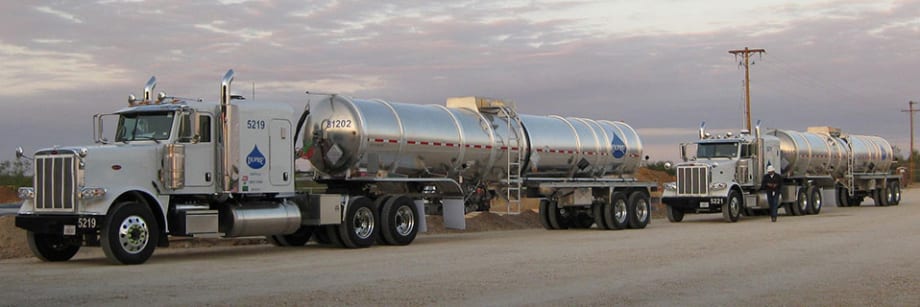
Photo: The Trucking Alliance
3 min to read
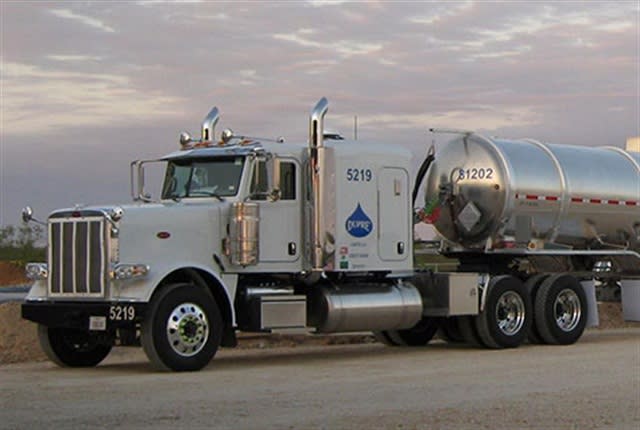
Photo: The Trucking Alliance
The Alliance for Driver Safety & Security (Trucking Alliance) is urging the Senate as it works on its version of the T-HUD budget bill to reject riders to the measure attached by the House that “would compromise truck safety” by reducing funding for certain truck-safety programs and for infrastructure improvements as “both are critical to improving highway safety for truck drivers and motorists.”
President Obama has already threatened to veto the entire funding package if it makes it to his desk in the same form that it took in the House.
The Trucking Alliance, a coalition of freight-transportation businesses that advocates for highway safety, said in a statement that the amendments in question “would halt truck safety studies that Congress mandated two years ago in MAP-21 [the current highway-funding bill]” and would “ignore a USDOT recommendation on freight policy and would force states to adopt an opposite position, one in which the industry is deeply divided.”
The group also stated that the Senate should “reject these House amendments in its transportation budget bill and adhere to the truck safety initiatives that Congress adopted in MAP-21. The amendments are a step backward for truck driver safety. Further, Congress should increase dollars for much needed truck safety programs, as well as infrastructure improvements.”
Specifically, the Trucking Alliance argues that if the riders in question remain attached to the bill, they would “delay, halt, and even contradict” certain 2012 Congressional “safety initiatives” contained within MAP-21:
“A proposed amendment would prohibit the Secretary of Transportation from determining if the minimum insurance level for trucking companies is sufficient to fully compensate the victims of trucking accidents, even though the level hasn’t been increased in 35 years.”
“An amendment would prohibit the USDOT from pursuing the development of wireless roadside electronic truck inspections, an emerging technology to ensure that tractor-trailers are in full regulatory compliance.”
“An amendment adds conditions to the study on truck driver hours-of-service restart rules that would essentially delay its completion for many years.”
“An amendment would force states to accept longer double 33’ trailers on all U.S. highways, despite a just-released USDOT report required in MAP-21 that recommends ‘no change in truck size and weight laws.”
The Trucking Alliance also said that “cuts in the transportation budget to the Federal Motor Carrier Safety Administration could delay its ability to implement the electronic logging device mandate and the national drug and alcohol database, two critical elements for lowering large truck accidents that Congress also passed [in] MAP-21.”
The group contended that “the nation’s highways, bridges, and railways must be maintained to handle the demands of a growing population and economy. Congress must increase transportation budgets, not cut them, in order to build a safer and more sustainable freight transportation system.”
Arguing that “Trucking is the only transportation mode that operates literally within a few feet of millions of Americans each day,” the Alliance added that “Congress should support efforts to lower the number of accidents and injuries involving truck drivers and motorists, not adopt policies that could increase them.”
The group noted that its “Policies represent the unanimous position of the Alliance Board of Directors only, and are not necessarily the opinions of businesses that financially support the Trucking Alliance.”
Among the member companies of the Alliance are three carriers whose chief executives signed a letter that calls for the Senate Committee on Appropriations to strip out the twin 33-foot trailer rider: Dupre Logistics, JB Hunt Transport and Knight Transportation.
More Fleet Management

Sponsored•September 1, 2026
How Telematics Improves Visibility, Control, and Performance in Refrigerated Fleets
Explore how telematics help refrigerated fleets improve visibility, uptime, efficiency, compliance, and cargo protection across connected cold chain operations.
Read More →
What the U.S.-Canada Trade War Means for Trucking
Escalating U.S.-Canada tariffs could disrupt cross-border freight, reduce truck volumes, raise costs, and create new uncertainty for carriers on both sides of the border.
Read More →
What Are Trucking’s Top Concerns for 2026?
The American Transportation Research Institute wants to know what's worrying trucking fleet managers, drivers, and other stakeholders in its annual Industry Issues survey.
Read More →

American Trucking Associations Looks for a New Leader
ATA President and CEO Chris Spear abruptly left his job at the association on August 21, at a pivotal time for the trucking industry.
Read More →
Public Wi-Fi Cybersecurity Risks: How Truck Drivers and Fleets Can Protect Their Data
Public Wi-Fi can expose truck drivers and fleets to credential theft, malware, and other cyber threats. Here’s how to reduce the risk on the road.
Read More →
For Nicky Cupp, Fleet Innovation Starts With Frustration
HDT Truck Fleet Innovator Nicky Cupp turns everyday pain points at Fraley & Schilling into opportunities for better technology and smarter processes.
Read More →
Adam Buttgenbach’s Approach to Electric Trucks: Start With Where They Fit
HDT Truck Fleet Innovator Adam Buttgenbach helped PepsiCo build one of North America’s largest EV fleets by focusing on where electric trucks make operational sense.
Read More →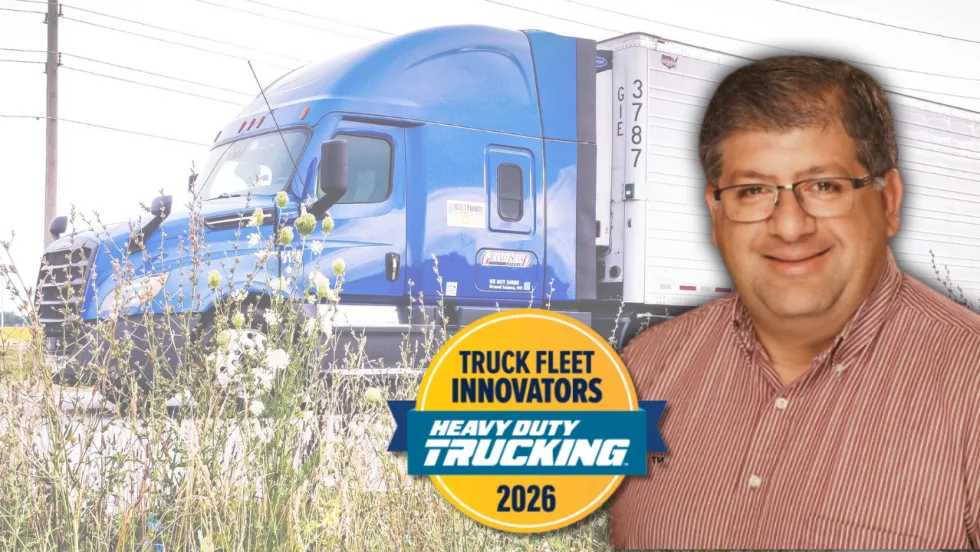
Deen Albert: Let Automation Do the Math, People Make the Decisions
HDT Truck Fleet Innovator Deen Albert makes sure people are still at the heart of operations at Grand Island Express, even while adopting artificial intelligence tools. AI-assisted dispatch helped boost revenue 25% with the same number of trucks.
Read More →
Trimble’s New AI Agent Takes Aim at Fleet Back-Office Busywork
Arc Agent works across Trimble TMS products to automate repetitive tasks such as freight orders, maintenance, invoices, fuel costs and more.
Read More →
How HDT’s 2026 Truck Fleet Innovators Are Rethinking Fleet Operations
Meet five trucking leaders who are challenging assumptions, solving operational problems, and putting innovative ideas to work.
Read More →