




White House Threatens to Veto Bill with Key Trucking Provisions
Even before a major spending bill containing several provisions of importance to the trucking industry has made it out of the House, the White House has all but promised that President Obama will veto it.


The Obama Administration has put Congress on notice that it will recommend that President Obama veto the T-HUD bill that contains provisions key to trucking interests. Photo: The White House
Even before a major spending bill containing several provisions of importance to the trucking industry has made it out of the House, the White House has all but promised that President Obama will veto it.
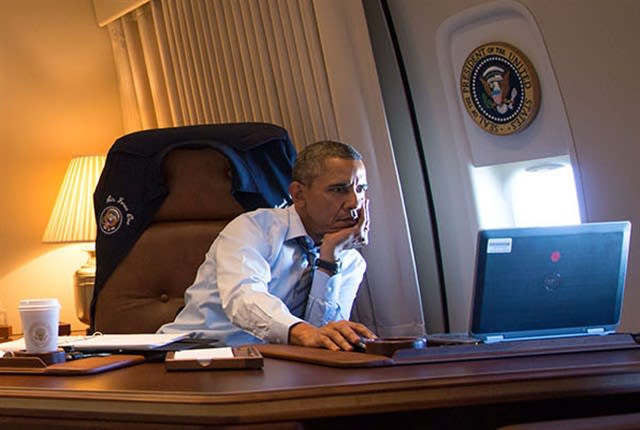
The Obama Administration has put Congress on notice that it will recommend that President Obama veto the T-HUD bill that contains provisions key to trucking interests. Photo: The White House
Known as the T-HUD bill because it sets the fiscal-year appropriations for the Departments of Transportation and Housing & Urban, it is expected to reach the House floor sometime this week or next.
H.R. 2527 contains several policy riders favored by trucking interests. These would:
Allow 33-foot long double trailers to operate on Interstate and other highways— regardless of state laws prohibiting them.
Keep the 34-hour restart rule suspended until a Federal study is completed and only revoke the rule suspension if that FMCSA impact report shows that “drivers who operated under the restart provisions… demonstrated statistically significant improvement in all outcomes related to safety, operator fatigue, driver health and longevity and work schedules” vs. drivers who had run under the rules in place before the 2013 change.
Prevent the government from increasing the $750,000 minimum liability insurance coverage now required for truckers.
Remove funding to implement wireless roadside inspections on highways.
The $55-billion spending bill had been approved on May 13 by the House Appropriations Committee along party lines, 30-21.
It must be approved by the full House and Senate before being sent to the White House for the President to sign or veto.
While a policy statement the White House issued on June 1 broadly objects to the bill on the grounds that it would shortchange critically needed investments in transportation infrastructure and housing assistance, it also states that “the Administration strongly objects to language… that would undercut public safety, including by letting the trucking industry avoid truck size and weight limits and by preventing data-driven changes that would improve safety for all travelers by addressing truck driver fatigue (‘Hours of Service’).”
Regarding the rider that would keep the 34-hour rollback in place, the White House argued specifically that including it “would undermine the Administration's existing regulatory work to ensure appropriate standards for commercial truck drivers' rest. The bill imposes criteria that would in all likelihood be impossible to meet, therefore preventing critical safety provisions from taking effect. “This provision combined with the troubling changes to truck size and weight limit could significantly compromise safety on our Nation's roads.” In other words, twin 33s are no shoo-in, either.
As to the measure’s funding of surface transportation, the White House statement contends that it "freezes or cuts critical investment in transportation that creates jobs, helps to grow the economy, and improves America's roads, bridges, transit infrastructure, and aviation systems, benefiting towns and cities across the United States.”
Asked by HDT what the American Trucking Associations thought of the White House’s strong objections to the bill’s trucking provisions, spokesperson Sean McNally replied that “ATA continues to urge the Congress to enact pro-safety, pro-trucking policies.
"We applaud the House Appropriations Committee for including these important items – specifically the provisions regarding hours of service and twin 33s enjoy bipartisan support – and hope the full House and Senate will follow their lead in passing them," he continued.
McNally added that “the broader conflict between Congress and the White House is about funding levels.”
An industry advocacy group that opposes the T-HUD bill as currently written is the Alliance for Driver Safety & Security, aka The Trucking Alliance. “This legislation deserves to be vetoed,” the group’s managing director Lane Kidd told HDT. “Just two years ago, Congress directed the Department of Transportation to study whether minimum insurance levels for trucking companies should be increased and whether the current hours-of-service rules are improving highway safety.
“This appropriations legislation stops those items from being studied, and cuts funding for such new technologies as wireless e-log inspections, and could even threaten critical rules like the electronic logging device mandate and the drug and alcohol clearinghouse,” he continued.
The Trucking Alliance also objects to what it regards as the measure’s “cuts to infrastructure spending," with Kidd remarking that, “What is surprising is that Congressmen who say in the morning that we must spend more money on roads and bridges are the same Congressmen who then vote against funding those same roads and bridges in the afternoon."
More Fleet Management
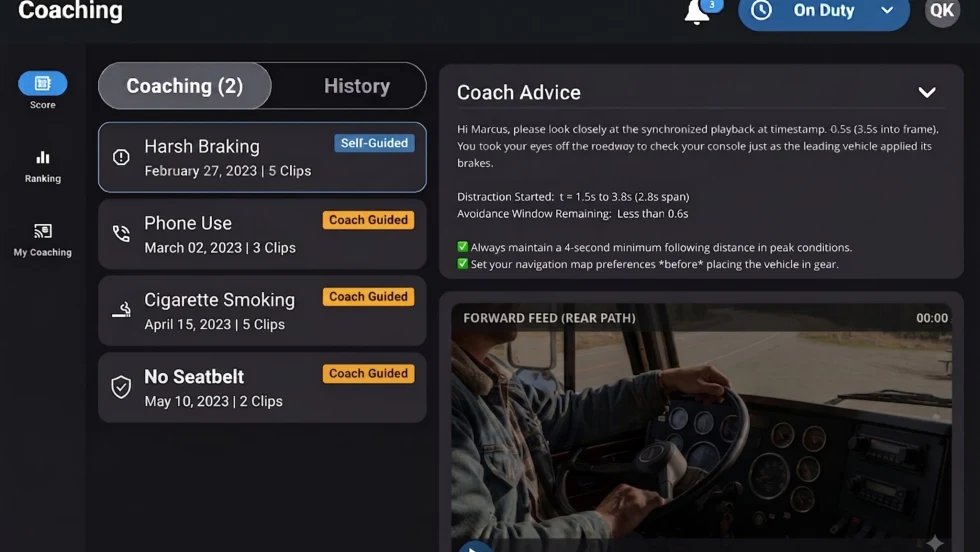
Platform Science Adds Dispatch and Safety Tools
Four additions to PS Fleet help fleets monitor loads, manage driver coaching, share truck locations and adjust video system settings.
Read More →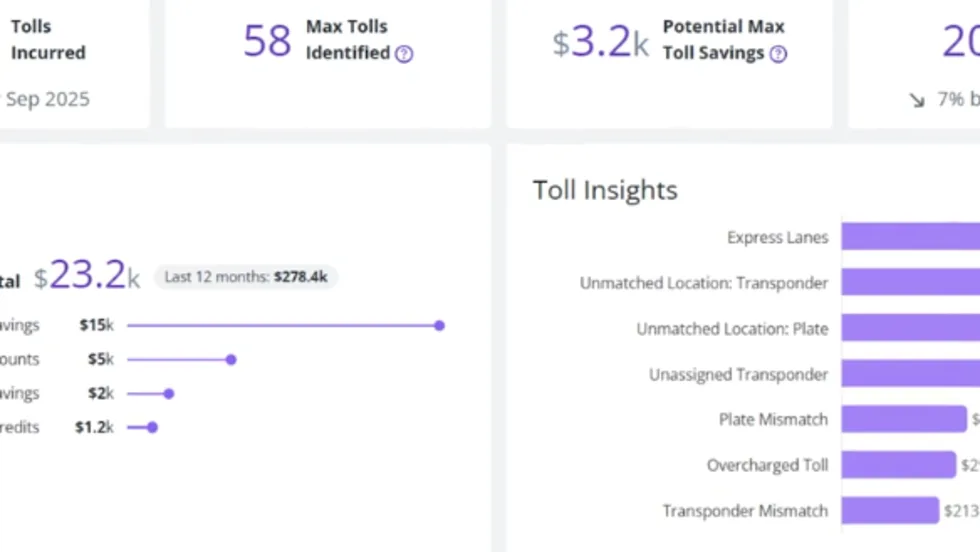
PrePass Intelligence Mines Fleet Bypass, Toll and Safety Data
PrePass Intelligence helps fleets measure bypass savings, flag potential toll overcharges, and spot suspicious transactions by combining data from separate systems.
Read More →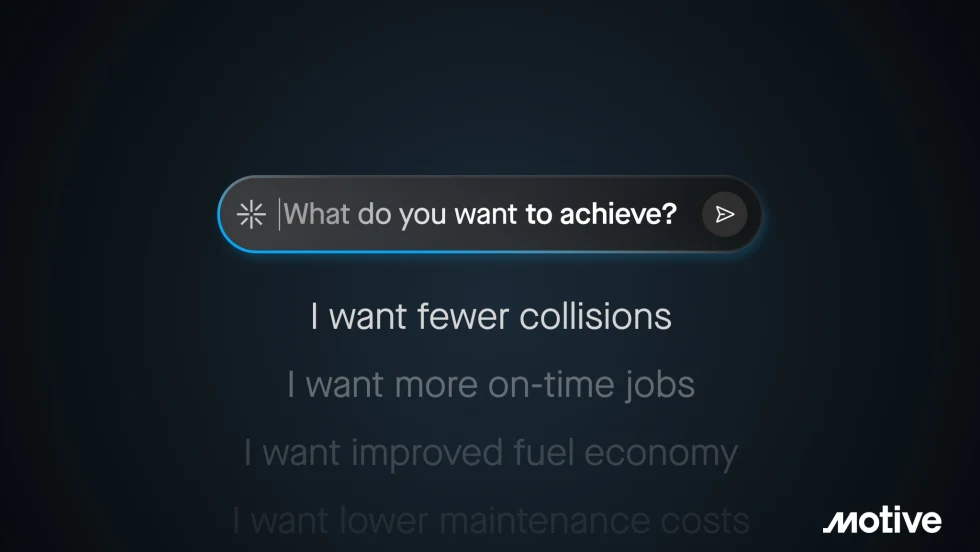
Motive Adds AI Agents for Fleet Operations
New tools automate follow-up on fleet data, from maintenance work orders to driver alerts, with two-way voice conversations planned for later this year.
Read More →
Can You Beat Our Trucking Trivia Challenge?
Test your truck knowledge with 19 trivia questions from Heavy Duty Trucking Exchange. Can you keep up with the fleet pros?
Read More →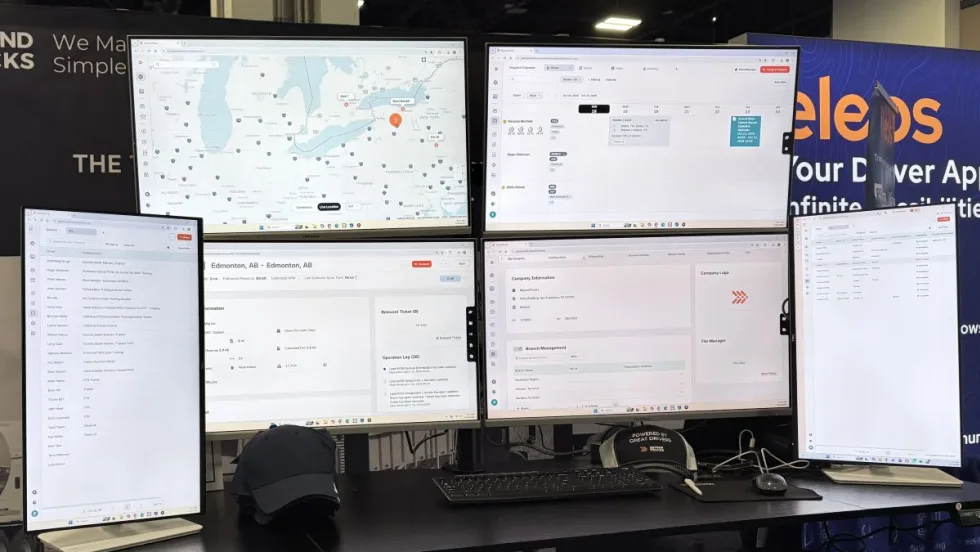
BeyondTrucks Adds Rules Checks to Dispatch
New Compatibility Engine checks driver qualifications, equipment requirements and fleet policies before loads are dispatched.
Read More →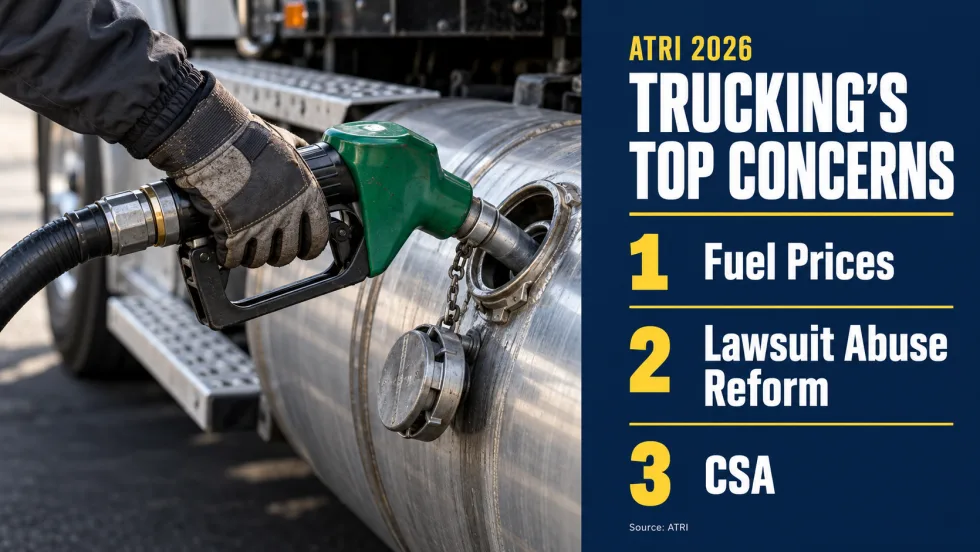
Diesel Prices Hijack Trucking’s Worry List
ATRI’s annual survey finds cautious optimism about freight, but diesel costs, litigation, and insurance continue to squeeze fleets. Drivers have different priorities on several issues.
Read More →
Nomination Deadline Extended for HDT Emerging Leaders
Just a few more days to nominate accomplished trucking fleet professionals under 40 who are making an impact and helping lead the industry forward for the HDT Emerging Leaders award. Deadline extended to October 20!
Read More →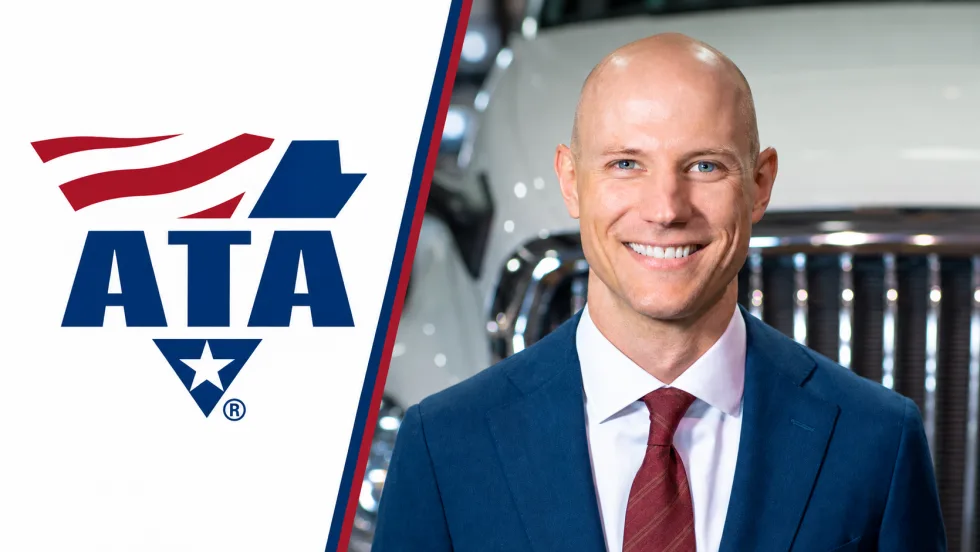
What Will ATA’s New Leader Bring to Trucking's Table?
Incoming President and CEO Mark Colson’s record in Alabama offers clues about his priorities and approach following Chris Spear’s abrupt departure as the head of the American Trucking Associations.
Read More →
Volvo, Waabi Start Commercial Autonomous Operations in Texas
Volvo VNL Autonomous trucks, powered by the Waabi Driver, are hauling freight directly to third-party facilities for a customer in Texas.
Read More →
Samsara Launches Custom AI Agent Builder
Agent Studio lets fleets create AI tools for hours-of-service monitoring, reporting and driver support, including agents that communicate by phone.
Read More →