




Freight Advisory Committee Makes Recommendations to U.S. DOT
U.S. Transportation Secretary Anthony Foxx received a report this week from the Department of Transportation’s National Freight Advisory Committee making 81 recommendations to improve the performance of the nation’s freight transportation system.
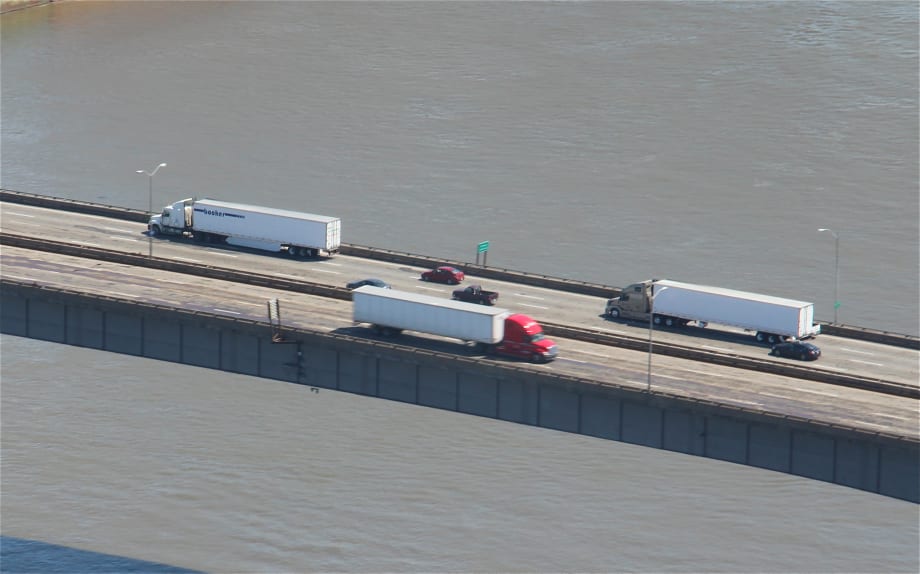
Photo: Evan Lockridge
U.S. Transportation Secretary Anthony Foxx received a report this week from the Department of Transportation’s National Freight Advisory Committee making 81 recommendations to improve the performance of the nation’s freight transportation system.
These recommendations will be used to inform the development of the DOT’s National Freight Strategic Plan. The NFAC was established in June 2013 by then DOT Secretary Ray LaHood.
The recommendations, now under review by the department, include suggestions to improve safety and security across the freight rail network, highlight funding needs and challenges, and call for increased streamlining processes and better collection of data and research, according to the DOT.
The NFAC also proposes exploring ways to improve collaboration for multijurisdictional freight planning, developing goals related to freight safety, and addressing workforce development needs as the Department develops the National Freight Strategic Plan
Together, these recommendations highlight the need for increased transportation investment and greater certainty to support the kind of research and planning such projects would require.
Earlier this year, Secretary Foxx submitted the GROW AMERICA Act for consideration by Congress, providing funding for the nation’s road and bridge program for the next several years.
“This act will make critical investments to help improve the safe and efficient movement of freight across all modes of transportation; highway, rail, port, and pipeline; by providing $10 billion over four years for targeted investments in the nation’s transportation system to improve the movement of freight and by giving shippers, transportation providers, and freight workers a real seat at the table for making investment decisions,” the Transportation Department said.
The department also belives the GROW AMERICA Act will also better align planning among the federal government, states, ports, and local communities to improve decision-making and help improve the U.S.’s long-term competitiveness by taking steps to achieve President Obama’s goal to reduce the time it takes to break ground on a new transportation project.
A copy of the report can be found on the DOT’s website.
More Fleet Management

How Telematics Improves Visibility, Control, and Performance in Refrigerated Fleets
Explore how telematics help refrigerated fleets improve visibility, uptime, efficiency, compliance, and cargo protection across connected cold chain operations.
Read More →
What the U.S.-Canada Trade War Means for Trucking
Escalating U.S.-Canada tariffs could disrupt cross-border freight, reduce truck volumes, raise costs, and create new uncertainty for carriers on both sides of the border.
Read More →
What Are Trucking’s Top Concerns for 2026?
The American Transportation Research Institute wants to know what's worrying trucking fleet managers, drivers, and other stakeholders in its annual Industry Issues survey.
Read More →

American Trucking Associations Looks for a New Leader
ATA President and CEO Chris Spear abruptly left his job at the association on August 21, at a pivotal time for the trucking industry.
Read More →
Public Wi-Fi Cybersecurity Risks: How Truck Drivers and Fleets Can Protect Their Data
Public Wi-Fi can expose truck drivers and fleets to credential theft, malware, and other cyber threats. Here’s how to reduce the risk on the road.
Read More →
For Nicky Cupp, Fleet Innovation Starts With Frustration
HDT Truck Fleet Innovator Nicky Cupp turns everyday pain points at Fraley & Schilling into opportunities for better technology and smarter processes.
Read More →
Adam Buttgenbach’s Approach to Electric Trucks: Start With Where They Fit
HDT Truck Fleet Innovator Adam Buttgenbach helped PepsiCo build one of North America’s largest EV fleets by focusing on where electric trucks make operational sense.
Read More →
Deen Albert: Let Automation Do the Math, People Make the Decisions
HDT Truck Fleet Innovator Deen Albert makes sure people are still at the heart of operations at Grand Island Express, even while adopting artificial intelligence tools. AI-assisted dispatch helped boost revenue 25% with the same number of trucks.
Read More →
Trimble’s New AI Agent Takes Aim at Fleet Back-Office Busywork
Arc Agent works across Trimble TMS products to automate repetitive tasks such as freight orders, maintenance, invoices, fuel costs and more.
Read More →
How HDT’s 2026 Truck Fleet Innovators Are Rethinking Fleet Operations
Meet five trucking leaders who are challenging assumptions, solving operational problems, and putting innovative ideas to work.
Read More →