




Wyden Offers Highway Trust Fund Patch
Sen. Ron Wyden, D-Ore., is proposing a three-month patch to keep the Highway Trust Fund solvent through the end of the year. The patch would be paid for with general funds, balanced by adjustments including raising the heavy vehicle use tax.



Sen. Ron Wyden, D-Ore., is proposing a three-month patch to keep the Highway Trust Fund solvent through the end of the year.
The patch would be paid for with general funds, balanced by adjustments including raising the heavy vehicle use tax.
The Senate Finance Committee, which Wyden chairs, will vote on the proposal Thursday morning.
“I hope to see the committee take decisive bipartisan action and send a clear message that stabilizing the Highway Trust Fund is a priority now,” Wyden said in a statement.
He described the bill as “an imperative first step” as the committee works toward a long-term highway funding fix.
“Failure to act now could lead to a transportation shutdown, leaving our roads in disrepair and putting thousands of hard-working Americans out of their jobs,” Wyden said.
The Fund is on track to dip into the red in August or even late July, according to the Department of Transportation.
State transportation departments are reporting that without assured funding they will have to stall pending projects and stop current ones.
Long-term solutions are on the table. For example, Sens. Chris Murphy, D-Conn., and Bob Corker, R-Tenn., recently proposed a 10-year program based on raising gasoline and diesel taxes six cents a year for two years, then indexing them to the Consumer Price Index.
But Wyden’s move reflects the political difficulty of raising taxes now, with control of the Senate at stake in mid-term elections in November.
The Obama administration has a long-term plan funded by corporate tax reform and has not supported a fuel tax increase, although it has said it is open to working with Congress.
Rep. Dave Camp, R-Mich., chairman of the House Ways and Means Committee, said he is disappointed by Wyden’s approach.
“The Senate appears to be heading down a partisan road on highway funding,” Camp said in a statement.
“Simply put, there is no way tax hikes to pay for more spending will fly in the House. I am looking at policies that have a history of bicameral, bipartisan support, and I intend to have the Ways and Means Committee ready to act early in July.”
American Trucking Associations, which supports a fuel tax increase, is evaluating the Wyden plan, said spokesman Sean McNally.
“We appreciate the Senator’s leadership on this critical issue and urge Congress and the administration to guarantee the Trust Fund’s solvency in the near term, and work together to set the course for long-term, reliable funding,” McNally said.
Wyden’s bill would raise the maximum heavy vehicle use fee from $550 to $1,100 a year.
The fee is now set at $100 per year for trucks grossing between 55,000 and 75,000 pounds, with an additional $22 for each 1,000 pounds over 55,000 pounds. Trucks grossing more than 75,000 pounds pay $550 a year.
The bill would change this formula. It would raise the maximum to $1,100 a year. Trucks grossing between 55,000 and 97,000 pounds would pay $100 plus $22 for each 1,000 pounds over 55,000. Trucks grossing more than 97,000 pounds would pay the $1,100 rate.
Other adjustments in the bill include changes in tax reporting requirements, treatment of mortgages, passport policy and distribution rules for pension plans.
More Fleet Management
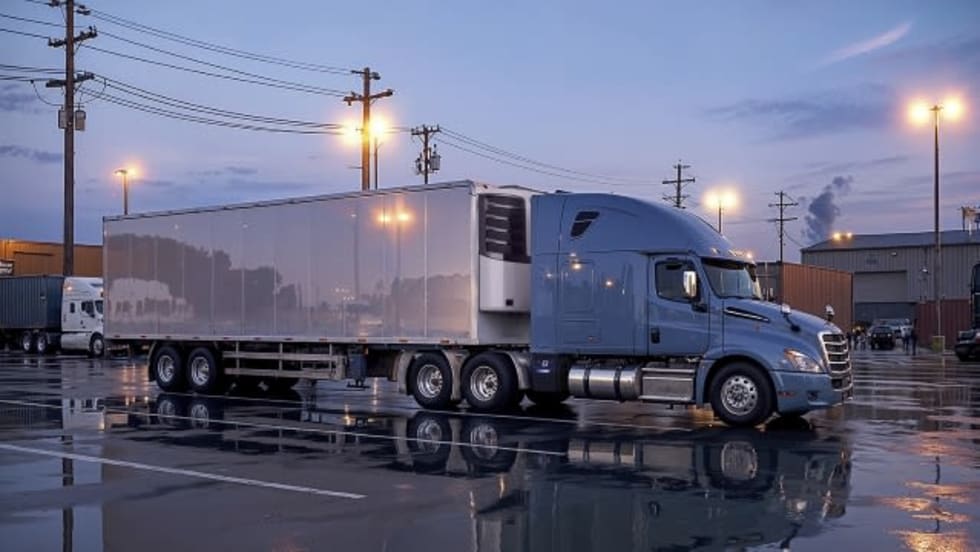
Enhance Fleet Performance with High-Efficiency Auxiliary Power Units
Drive sustainable cost savings while increasing driver comfort during short- and long-haul logistics operations.
Read More →
Is Your Parts Procurement Process Reactive or Proactive?
Ready to revamp your parts procurement process? Learn how now with “Strategic Parts Purchasing: A Process Checklist”
Read More →
What Trucking Events are Happening in 2026?
Looking for trucking-related conventions, expos, and other events? Heavy Duty Trucking has developed this list of national and larger regional trucking shows and events.
Read More →
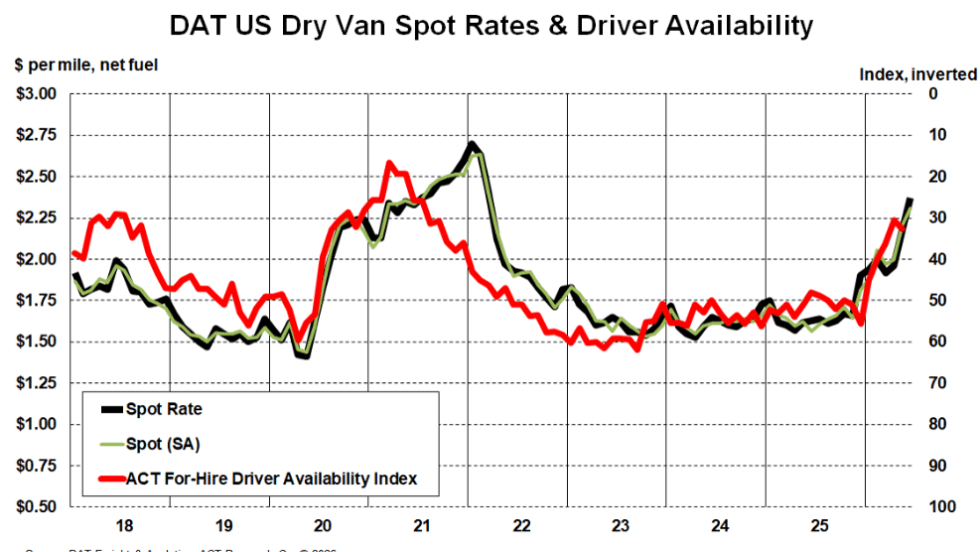
Truckload Rates Keep Rising as Tight Capacity Fuels Freight Market Recovery
Spot and contract rates continued climbing in May and June, not because freight demand is surging, but because fewer trucks and drivers are available.
Read More →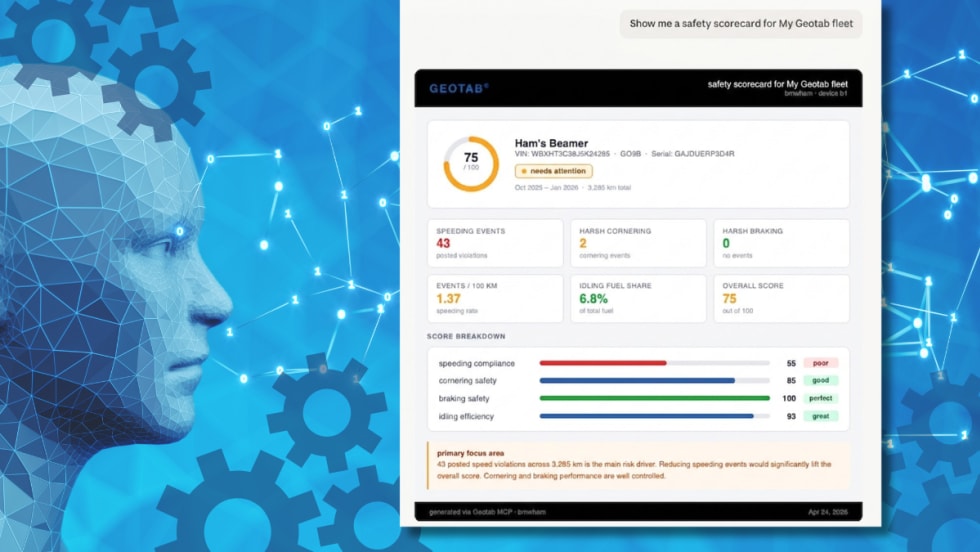
What Geotab's New AI Connector Means for Fleets
Fleets can now ask their usual AI assistants questions about maintenance, safety, fuel use, and vehicle performance, using their live Geotab data, and take action on the answers without leaving their preferred AI tool.
Read More →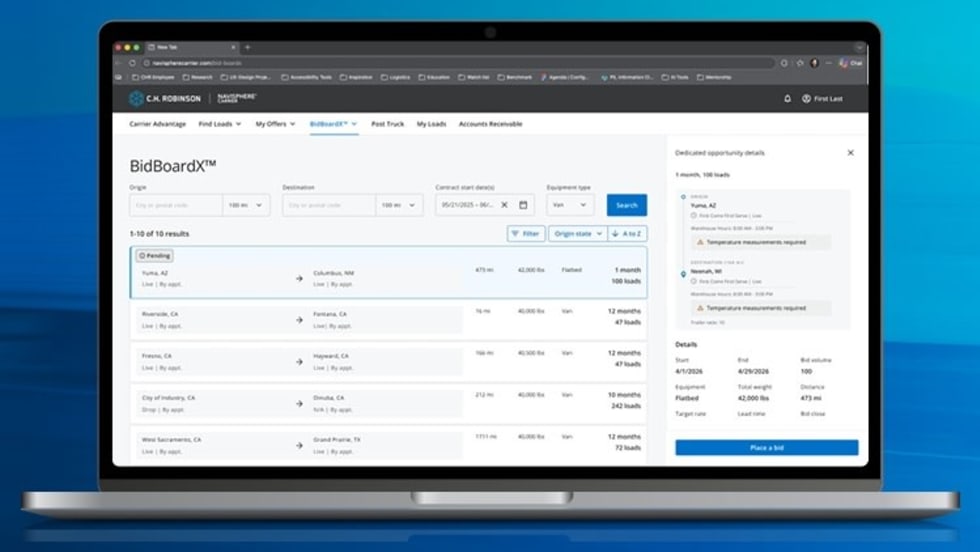
New C.H. Robinson Tool Opens Door to More Predictable Freight
BidBoardX lets carriers search, bid on, and secure committed freight opportunities through a single digital marketplace.
Read More →
New York City's Microhub Project is Delivering Results
Trucking, last-mile delivery companies, and environmental advocates like what they are seeing so far with New York's microhub program.
Read More →
Why Truck Detention Keeps Costing Fleets Time and Money
A 2024 ATRI study found detention affects nearly 40% of truckload stops and costs the industry more than $15 billion annually. Despite the toll on drivers, fleets, and supply chains, the problem remains stubbornly persistent.
Read More →
Time is Running Out to Apply for Exclusive HDT Event
Heavy Duty Trucking Exchange brings fleet managers and suppliers together for the deeper conversations that lead to ideas, partnerships, and solutions. Time is running out to apply for the September event.
Read More →
Amazon Launches Less-Than-Truckload Freight Offering for All Businesses
This launch is the latest addition to Amazon Supply Chain Services, a portfolio of supply chain capabilities from Amazon, including freight, distribution, fulfillment, and parcel shipping.
Read More →