




Climbing the Data Mountain
Managing data is utterly essential to the successful maintenance of a truck fleet in 2016. That’s a given. But knowing it is one thing – doing it is quite another.

Rolf Lockwood

Rolf Lockwood
Managing data is utterly essential to the successful maintenance of a truck fleet in 2016. That’s a given. But knowing it is one thing – doing it is quite another.
That was the issue tackled by a panel discussion I put together and moderated at the inaugural Canadian Fleet Maintenance Summit in Toronto recently. In a session entitled “The Electronics Revolution and Trucking of the Future,” panelists spoke of ways that data can help address challenges. And the benefits of all that retrievable information aren’t limited to big outfits.
“Small fleets can behave as big ones if they embrace the tools that the dealers and the OEM have today,” said Skip Yeakel, principal engineer and government/industry/academia link at Volvo Trucks. He referred to his company’s Uptime Center and the way it diagnoses issues remotely as an example. It’s there for everyone.
Even though larger fleets have more resources to explore raw data, smaller operations can still look at single reports or receive alerts, added Larry Jordan, vice president of product management at Zonar Systems in California. These are the details that can help avoid breakdowns and delays.
“In a perfect world, I’d like to see a truck tell me what’s wrong with it,” said Kirk Altrichter, vice president fleet services for Ohio’s Kenan Advantage Group and former chairman of the American Trucking Associations’ Technology & Maintenance Council.
The biggest challenge is sifting through the reams of available data to find hidden info nuggets, he said. Gathering the data can be a problem, and there can certainly be too much of a good thing. Altrichter learned that the hard way after once asking to be alerted about any monitored fault codes.
“We ended up turning it off quite quickly,” he said. The goal instead is distinguishing between the codes that require immediate attention and those that can wait.
Yves Maurais, technical director, asset management, purchasing and conformity at Quebec’s Groupe Robert, stressed the need to set specific goals in data collection.
“Once you know what you’re looking for, it’s easy to get the correct tools,” he said.
Smaller fleets, said Maurais, might want to focus on the data linked to regulations.“Make sure you’re compliant,” he said. “The rest would be icing on the cake.”
Altrichter agreed. The secret to success on the data mountain is deciding where to aim your attention, he said.
“Everyone in this room can look at the same data and come back with something different,” he explained. “What needs attention? What’s actionable?”
He stressed the need to focus on three to five items and work on those until they’re resolved. Even he monitors reports from no more than four outside vendors a day.
One of his key points of focus is the money to be made from warranty recoveries. Part of the issue is understanding what the warranty actually covers. Does a “bumper-to-bumper” warranty cover oil changes or belts? For that matter, how long does it take to recover the payments, and are they being chased? Information on recalls and campaigns needs to be recorded and tracked, too.
Altrichter also recommended reviewing engine parameters regularly.
“I get refreshed every year because they make changes and they don’t tell you,” he said. “A supplier may think it’s no big deal, but tell that to the drivers who begin asking why they can’t idle when an auxiliary power unit is being used.”
More Fleet Management

Truck Tonnage Slips, Carrier Outlook Improves
For-hire truck tonnage fell 1.8% in October but was higher than a year earlier, and FTR raised its outlook for carriers for at least the next three quarters.

New Independent Contractor Rule Gives Trucking More Clarity
The Labor Department is once again changing how it determines who's an independent contractor. This time, the rule includes specific examples addressing trucking safety requirements, CDLs, and lease-purchase agreements.
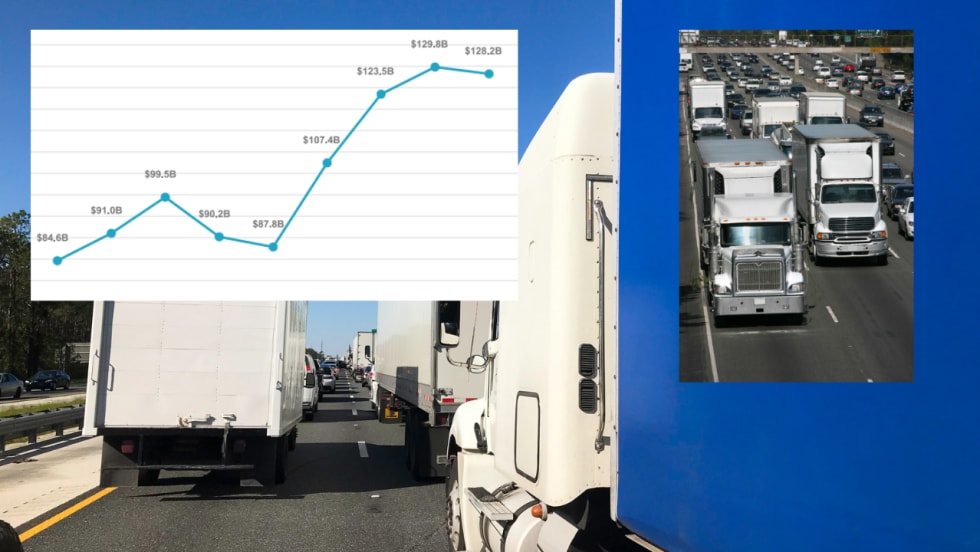
Trucking's Annual Congestion Costs Reach $128.2 Billion
That's the average cost, according to new ATRI research. And the wasted time and diesel are staggering.

How to Modernize Your TMS Without Replacing It [Podcast]
Before investing in a new transportation management system, take a closer look at what you've already got. AI, cloud technology and better integrations may offer ways to improve your trucking operations without starting over.

Could Your Truck's Connected Devices Be a Cybersecurity Risk?
ELDs, telematics systems and driver tablets help fleets operate more efficiently. But every connected device needs protection against cyberattacks.
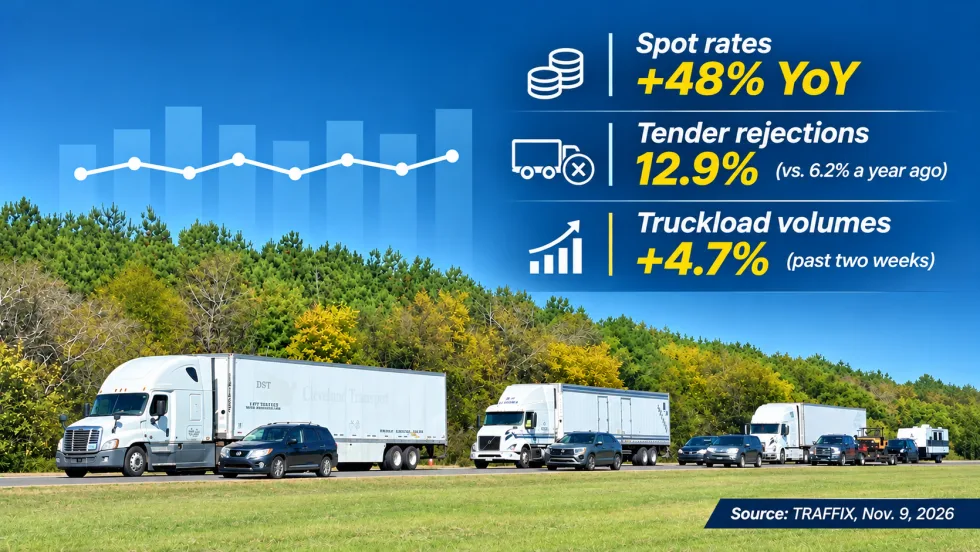
Holiday Freight Meets a Tight Trucking Market
There's no freight boom, but truckload carriers are finding themselves in a stronger position to negotiate rates. And holiday shipping demand could tighten the market further.
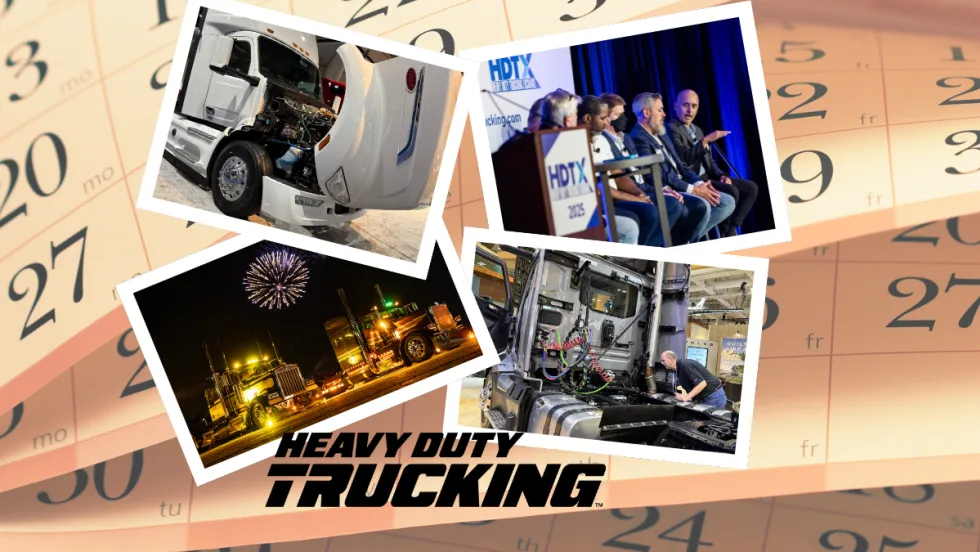
What Trucking Events are Happening in 2027?
Looking for trucking-related conventions, expos, and other events? Heavy Duty Trucking has developed this list of national and larger regional trucking shows and events.
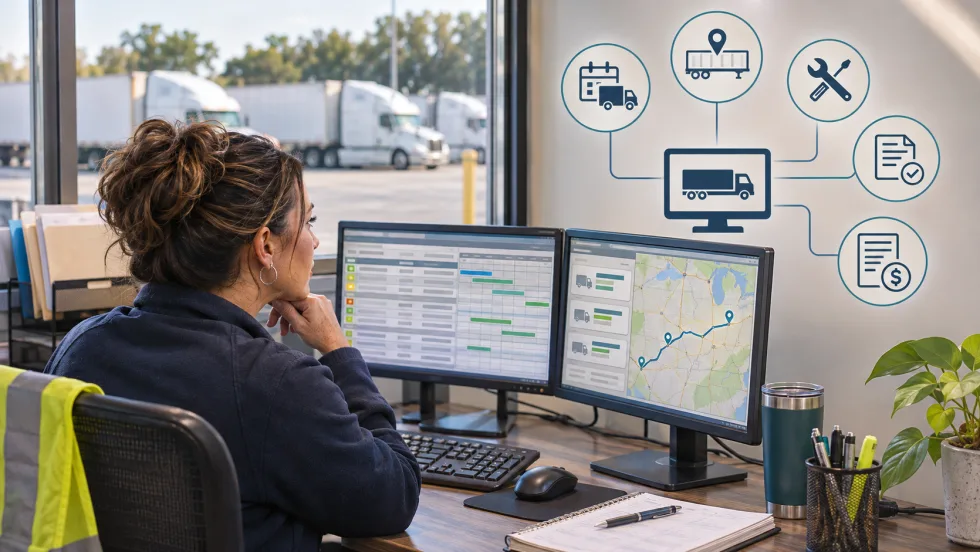
Does Your Trucking Fleet Need a New TMS?
Artificial intelligence and better integrations promise less busywork and more useful data. Can your TMS help your company solve problems? Do you need additional vendors or an upgrade? Or is it time to look for a new platform?
Fleet Costs Shape ACT Expo 2027 Agenda
With diesel prices high and operating expenses under pressure, ACT Expo's 2027 agenda emphasizes fuel efficiency, AI, safety and the return on fleet technology investments.
Does Your Trucking Fleet Need a New TMS? [Video]
Cloud technology, AI and new integrations are changing what transportation management systems can do. But does taking advantage of those advances mean replacing your existing TMS?