




How to Plan for the Surge in Truck Demand
A back order of Class 5 to 8 trucks will put pressure on component supply such as tires, engines, and transmissions. Here’s what small fleets can do about it.

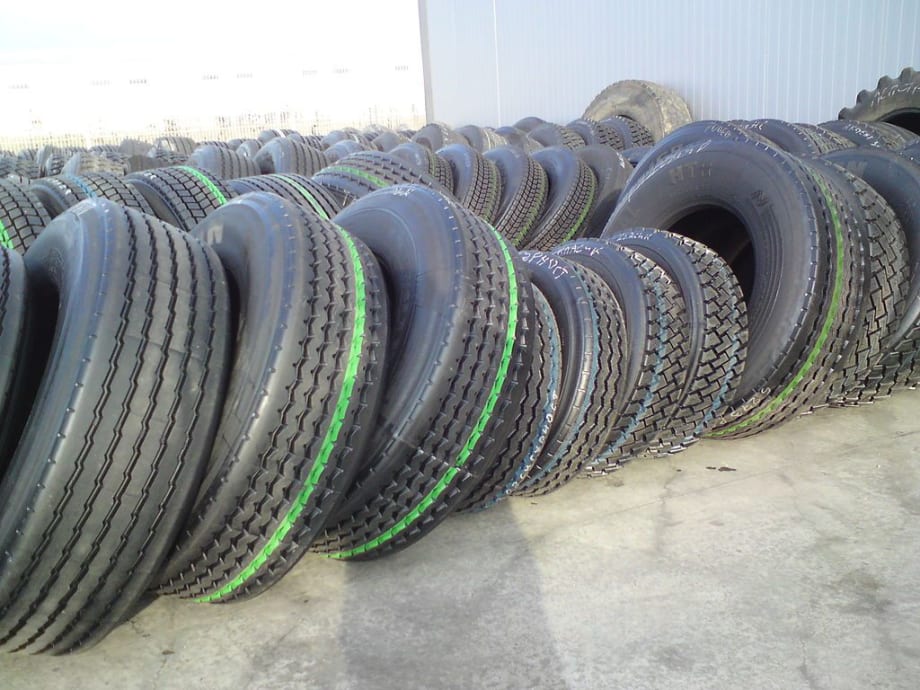
Photo courtesy of Biso via Wikimedia.
As you may be aware, there has recently been a surge in demand for Class 5-8 trucks and tractors, which in turn has led to the follow-on surge in trailer demand as well. This kind of surge puts a tremendous strain on the companies that supply key components for these products, such as the manufacturers for tires, engines, and transmissions.
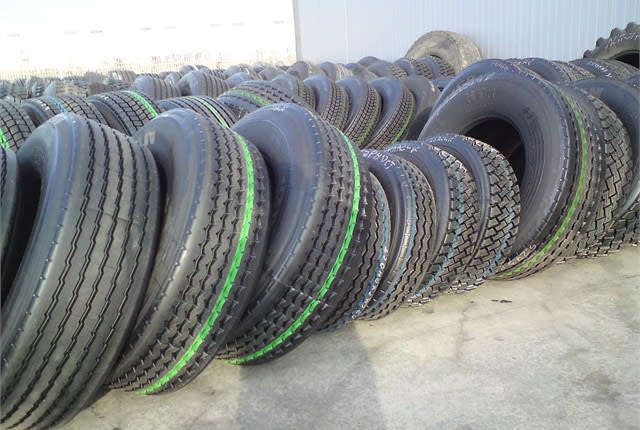
Photo courtesy of Biso via Wikimedia.
In addition, there are countless other components that are often not considered that may also be limited in “through-put” from their respective manufacturers.
As a result, there will more than likely be shortages coming down the pipeline for these components. One example would be windshields. Every commercial vehicle requires glass for front, side, and, in some cases, rear windows — not to mention those trucks and tractors that are equipped with the bottom “peep” windows.
An increase in demand of 10% to 15% could be handled by adding shifts, overtime, and additional workers, however costly that may be to the manufacturer. But can the supply chain handle the same surge? How long will the specific manufacturers need to ramp up to these levels of demand?
Not only will the manufacturers require more time, but the raw material suppliers will also need to be allowed a period of ramping up. Every component supplier and their sub-component suppliers, as well as the raw materials suppliers, will need time and additional investment capital to accommodate these new levels of demand for their products.
Once the labor issue has been addressed, it is important to note that the manufacturing machinery used in these processes has limits as well. Additional machinery will need to be added by these companies, which will not only require additional manpower as previously mentioned, but also additional space.
Does the factory in question have idle space, or will new construction need to be planned, approved by senior management, and constructed?
The senior management teams from each company will question how long this surge in demand will last, and both investors and lenders will perform the same analysis. This will result in phenomena that hasn’t been seen for some time — a steady increase in back orders for capital equipment, and the resulting growth in lead times.
I clearly remember a surge like this in the middle of the last decade. At that time, I was director of fleet management at Heritage Propane/Energy Transfer Partners, and I received a call from my key medium-duty truck dealer to tell me there was a severe shortage of my specified premium brand of tire.
I had well over 100 trucks on order with this dealer at that time. His question to me was, “Do you want that brand, or ‘round and black?’” When I inquired as to what the new lead time for these tires were, he told me he did not know. Obviously, I opted for round and black.
That wasn’t the end of the story, however; after calling the tire manufacturer to see if I could push the supply chain in our favor, I received another call from this same individual to say my preferred engine for these trucks was now on allocation. As a result, I had to adapt our procurement to consider these new factors affecting truck and component supply and lead times.
So in these situations, what can you do as a small fleet manager or business owner?
• Don’t assume you can wait until that unit finally goes down, the one costing you excessive repair expense. Plan for a replacement now.
• Don’t assume that van model you think is commonly available still is (or will be) when you want to replace it. Communication with your selected dealers is key. Develop an awareness of the market — once again, unit and component availability should be key areas of focus.
• Communicate with your truck dealer. Get up to speed on availability.
• Make sure the truck and body are properly spec’d for your type of service and lifecycle. If you’re not sure what the specs should be, get help from someone who can analyze your needs and create specs specifically designed to enhance the performance of your trucks and tractor trailers.
• Now that you have the specs, make sure your dealer accommodates you on these, but also advises you on booking slots. Large commercial dealers will have more of these with the OEMs.
• Check the large commercial dealer inventories — they may have what you need in stock.
• Communicate, plan, then work the plan.
• Place orders planned for future deliveries. Establish a concession level with the OEM through the dealer.
• Lock in pricing. Find a good negotiator if you can’t do all of this yourself!
• Make sure your lender is onboard with this and the planned order bank. Check that dealer financing available— you don’t have to always lease to get the best deal and cheapest payment.
• If you need help to do any of this, get it. The supply chain will shrink as far as your immediate and projected needs, and fast!
<bio>
Les Smart is president of Smart Fleet Management, a small and medium fleet consulting company. He can be reached at smart5010@atlasok.com.
More Equipment
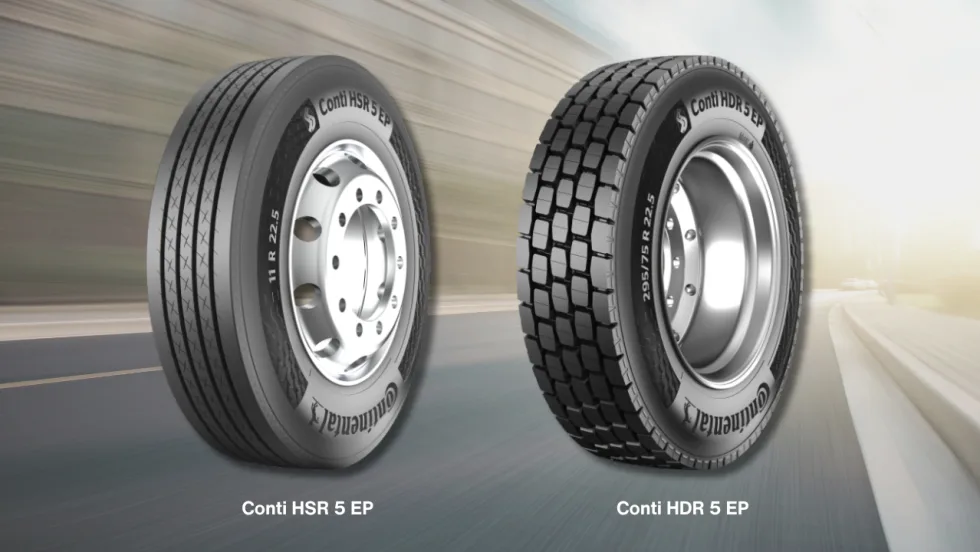
Continental Introduces New Regional Truck Tires
Continental says its new Generation 5 steer and drive tires for regional operations offer longer tread life, with estimated mileage gains of 22% and 19%, respectively.
Read More →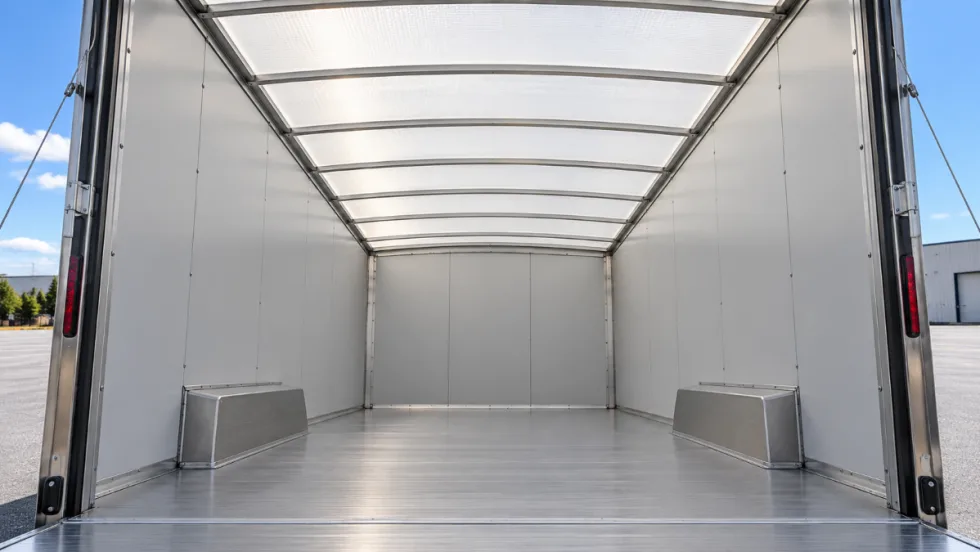
Tekmodo Introduces CargoBright Brand for Translucent Trailer Roofs
CargoBright is designed to diffuse daylight across the cargo area while performing as a working vehicle roof.
Read More →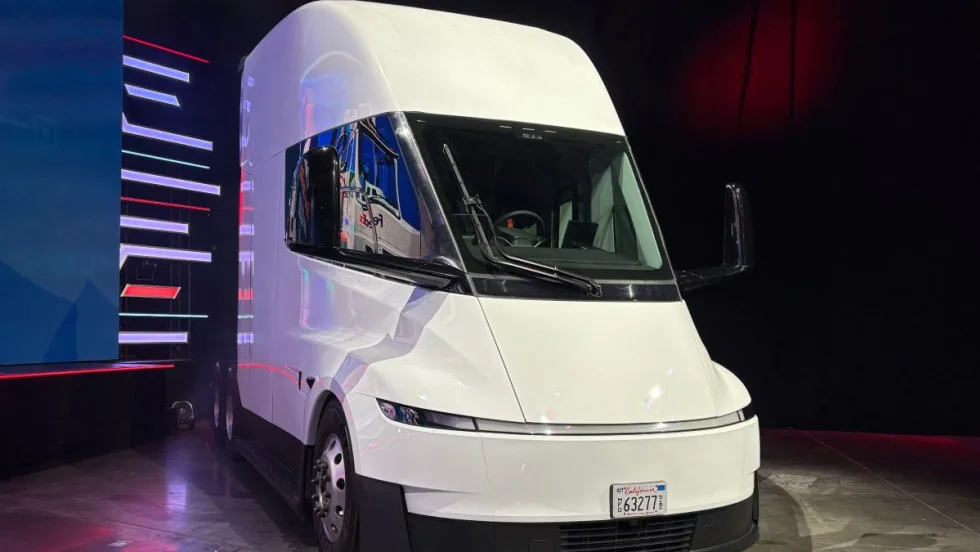
Fleet Economics Shape Electric Truck Outlook
ACT Research expects costs, charging infrastructure, and technology improvements to drive zero-emission commercial vehicle adoption as federal regulations and incentives retreat.
Read More →
Kodiak Targets Dallas–Houston for Driverless Trucks
The company says its autonomous trucks are completing the I-45 run without a safety observer taking control. It plans to remove the observer by the end of 2026.
Read More →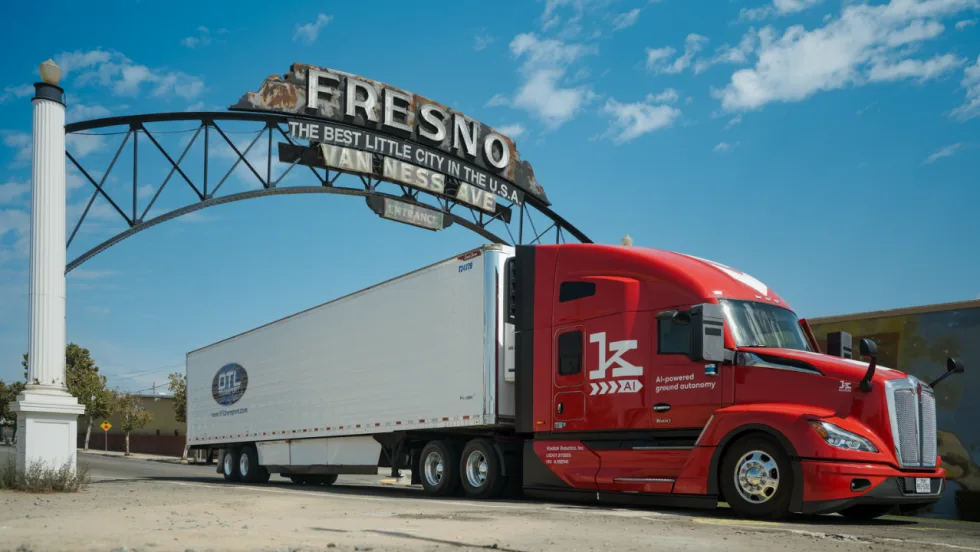
Kodiak Hauls Produce in California Autonomous Truck Pilot
Kodiak AI and DTL Transport have begun hauling produce between Fresno and Los Angeles under California’s new rules for testing heavy-duty autonomous trucks. A safety driver remains behind the wheel.
Read More →
Used-Truck Remarketing Math Is Changing
Used-truck value is no longer just a concern at trade-in. Decisions made throughout a truck’s first life can influence what it’s worth years later.
Read More →
How Volvo Updated Its D13 for EPA 2027 [Watch]
Volvo’s updated D13 promises lower emissions without sacrificing performance or fuel economy. Take a closer look at what changed inside the engine in this HDT Spotlight video.
Read More →
Michelin Tire Improves Efficiency and Durability for Regional Fleets
The Michelin X Multi Energy D2 is a regional haul drive tire engineered to help fleets improve fuel efficiency, durability and traction in demanding stop-and-go operations.
Read More →
ZF Expands Commercial Vehicle Push in North America
ZF is expanding its North American commercial-vehicle presence with new transmission applications, electrification, trailer technology and autonomous-driving systems.
Read More →
Tesla Wants a Self-Driving Semi. Are Cameras Enough?
Could Tesla’s camera-only autonomous driving technology work on an 80,000-pound Semi? In this commentary, HDT's Deborah Lockridge takes a look at Tesla, Cybercab, and how autonomous trucks see the road.
Read More →