




AAA Report Underscores Benefits of High-Tech Truck Safety Advances
The AAA Foundation for Traffic Safety is recommending that all large trucks— both new and existing ones— be equipped with what it considers to be “cost-effective technologies that improve safety for everyone on the road.”

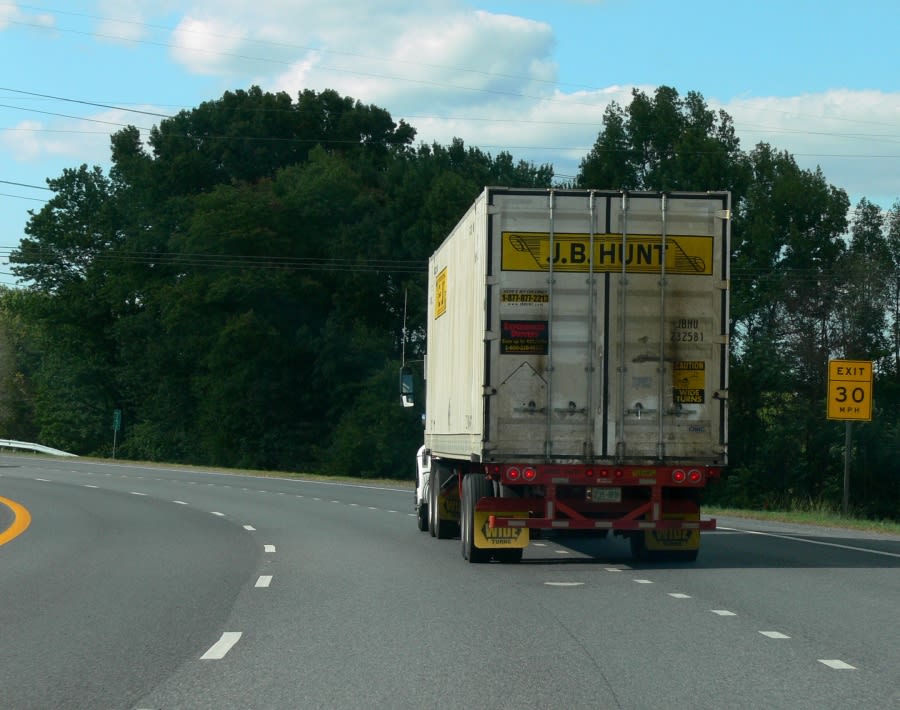
Photo: AAA Foundation for Traffic Safety
Photo: AAA Foundation for Traffic Safety
The AAA Foundation for Traffic Safety is recommending that all large trucks— both new and existing ones— be equipped with what it considers to be “cost-effective technologies that improve safety for everyone on the road.”
Each of the safety technologies endorsed by the foundation is familiar to many in trucking and has already been embraced by numerous, especially brand-name, fleet operations.
“There’s no question that truck safety technology saves lives,” said Dr. David Yang, executive director of the AAA Foundation for Traffic Safety on Sept. 21. He said the foundation’s new research shows that “the benefits of adding many of these technologies to trucks clearly outweigh the cost.”
The report, Leveraging Large Truck Technology and Engineering to Realize Safety Gains, examined the safety benefits and costs of installing these four advanced safety technologies in both existing and new large trucks:
Lane-departure warning systems
Automatic emergency braking
Air disc brakes
Video-based onboard safety monitoring systems
According to the foundation, the research also revealed that:
The societal safety benefits (i.e., economic value of lives saved, injuries prevented, etc.) of equipping all new and existing large trucks with lane-departure warning and video-based onboard safety monitoring systems far outweigh the costs. Specifically, it was determined that lane-departure warning systems can prevent up to 6,372 crashes, 1,342 injuries and 115 deaths each year. Video-based onboard safety monitoring systems can prevent as many as 63,000 crashes, 17,733 injuries and 293 deaths each year.
The societal safety benefits of equipping all new trucks with automatic braking or air disc brakes could outweigh costs. It was shown that automatic emergency braking can prevent up to 5,294 crashes, 2,753 injuries and 55 deaths each year and that air disc brakes can prevent up to 2,411 crashes, 1,447 injuries and 37 deaths each year.
In addition, a AAA survey conducted in parallel with the AAA Foundation’s research found that six out of ten (61%) U.S. adults feel less safe driving past large commercial trucks than driving past passenger cars.
The top three reasons given were: Trucks’ large size and length (28%); trucks have greater blind spots/less visibility (18%), and trucks can drift or swerve out of their lane (14%). And about one in four (26%) surveyed say that adding safety technology to large trucks would help them “feel better” about sharing the road.
“It’s understandable that many motorists are fearful and feel vulnerable when traveling near large trucks,” said Jake Nelson, AAA director of Traffic Safety Advocacy and Research. “Adding these safety technologies to the trucking fleet is not only cost effective, but doing so helps to alleviate driver concerns and prevents crashes. In the long run, it’s a win-win for industry and drivers nationwide.”
Noting that it “works closely with the trucking industry, government agencies and safety organizations to help keep all drivers safe behind the wheel,” AAA allowed that “many large commercial fleets have begun equipping trucks with these advanced safety technologies. AAA urges others to consider investing in cost effective technologies that can help save lives.”
Established in 1947 by AAA, the AAA Foundation for Traffic Safety is a publicly funded nonprofit charitable research and educational organization.
More Drivers

Nussbaum, Roehl Announce Second Driver Pay Increase This Year
This year has seen a swath of major truck driver pay increases as freight capacity has tightened.
Read More →
From One Generation to the Next: How Mentorship Builds Safer Truck Drivers
After three decades in trucking, Harold Perry shares what he's learned about driver safety, mentorship, and helping the next generation build confidence behind the wheel.
Read More →
Truck Drivers Need More Than Another Alert
Fleets have more visibility into truck health, safety events, and driver activity than ever. The next challenge is turning all that information into useful guidance for the person who has to decide what to do next.
Read More →
FMCSA Removes 110 Truck Driver Training Schools from Certified ELDT List
Federal regulators also are targeting more than 160 additional training providers and launching a nationwide audit of third-party CDL skills testers as part of a broader crackdown on trucking fraud.
Read More →
Hours of Service Pilot Programs: FMCSA Readies for 2027 Rollout
Two pilot programs could eventually reshape hours-of-service rules, giving truck drivers options to pause their 14-hour clock or use longer split sleeper rest periods.
Read More →
Medical Cards, English Proficiency Reshape Roadcheck Violations
Medical-card violations jumped to the top of the driver out-of-service list during CVSA’s 2026 International Roadcheck, while English-language proficiency violations appeared among the leading violations for the first time.
Read More →
Driver Trust Can Make or Break the Success of Fleet Safety Technology
New Teletrac Navman research suggests that onboarding, transparency about driver data, and positive feedback can play a significant role in how commercial drivers respond to safety and coaching technology.
Read More →
EEOC Sues KLLM Over Alleged Sex Discrimination in Driver Training
KLLM is facing a federal sex-discrimination lawsuit over policies the EEOC alleges put female truck driver trainees at a disadvantage.
Read More →
FMCSA Moves to Codify English Language Requirements for Commercial Drivers
By changing regulations on English-language proficiency requirements for commercial drivers, rather than relying on a guidance memo, the FMCSA said future administrations won't be able to walk back the Trump administration's stricter enforcement with just a memo.
Read More →
Drivers Put Western Star Trucks to the Test at Star Nation Experience
Watch to get an inside look at the Western Star trucks, technology, and community behind the Star Nation Experience 2026!
Read More →