




Related: Banned Driver Crashed Truck a Day After Failing Drug Test
Driver Declared Imminent Hazard After 2 Alcohol-Related Arrests
After Tennessee truck driver Eric Ronald Scott was arrested in for two alcohol-related events, FMCSA ordered him to not operate a commercial motor vehicle in interstate commerce.
by Staff
February 3, 2017
2 min to read
After Tennessee truck driver Eric Ronald Scott was arrested in for two alcohol-related events, the Federal Motor Carrier Safety Administration ordered him to not operate a commercial motor vehicle in interstate commerce.
After receiving his commercial driver’s license from the state of Tennessee in late October 2016, Scott was arrested in two separate alcohol-involved events spanning a four-day period.
On Dec. 31, 2016, the Berlin, Vt., Police Department responded to a call at a local hotel parking lot when Scott was found asleep in the cab of his tractor-trailer. Following a breath test that detected the presence of alcohol, Scott was arrested for domestic assault.
He was released from police custody on Jan. 2, and the following evening the Berlin Police Department responded to a multi-vehicle crash that involved Scott in his truck. Scott was on his way out of Burlington, Vt., en route to Memphis, Tenn., when he jackknifed his tractor-trailer, striking a stop sign and causing three passenger vehicles to be forced off the road. After another alcohol breath test detected the presence of alcohol, Scott was arrested for driving under the influence of alcohol.
Scott was declared an imminent hazard to public safety. FMCSA’s order stated that Scott's continued operation of a CMV in interstate commerce “… substantially increases the likelihood of serious injury or death to you and/or the motoring public if not discontinued immediately.”
Civil penalties of up to $3,100 may be assessed for each violation of operating a commercial motor vehicle in violation of the order. Knowing and/or willful violation of the order may also result in criminal penalties.
Scott also may be subject to a civil penalty enforcement proceeding brought by FMCSA for his violation of the agency’s safety regulations.
More Drivers
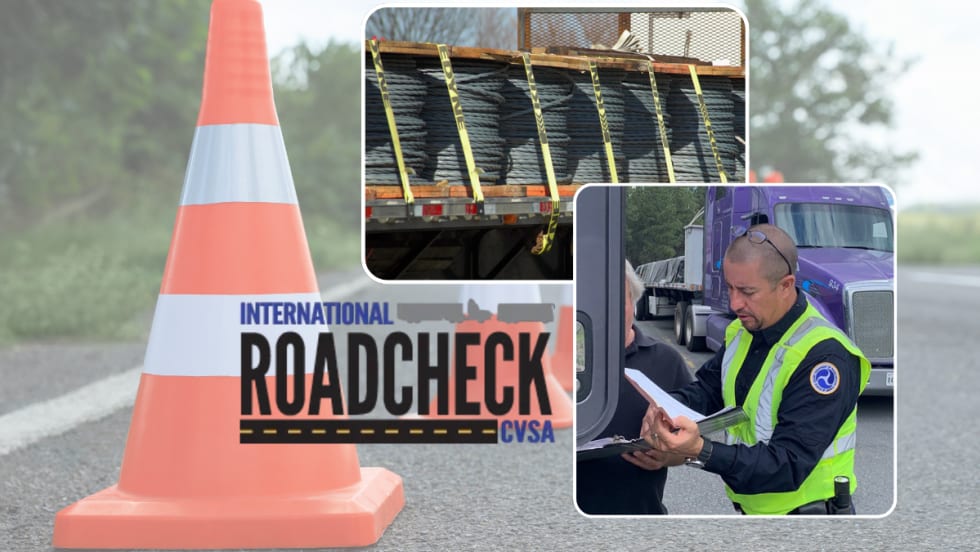
Medical Cards, English Proficiency Reshape Roadcheck Violations
Medical-card violations jumped to the top of the driver out-of-service list during CVSA’s 2026 International Roadcheck, while English-language proficiency violations appeared among the leading violations for the first time.
Read More →
Driver Trust Can Make or Break the Success of Fleet Safety Technology
New Teletrac Navman research suggests that onboarding, transparency about driver data, and positive feedback can play a significant role in how commercial drivers respond to safety and coaching technology.
Read More →
EEOC Sues KLLM Over Alleged Sex Discrimination in Driver Training
KLLM is facing a federal sex-discrimination lawsuit over policies the EEOC alleges put female truck driver trainees at a disadvantage.
Read More →
FMCSA Moves to Codify English Language Requirements for Commercial Drivers
By changing regulations on English-language proficiency requirements for commercial drivers, rather than relying on a guidance memo, the FMCSA said future administrations won't be able to walk back the Trump administration's stricter enforcement with just a memo.
Read More →
Drivers Put Western Star Trucks to the Test at Star Nation Experience
Watch to get an inside look at the Western Star trucks, technology, and community behind the Star Nation Experience 2026!
Read More →
Trump Administration Looks to Put More Veterans Behind the Wheel
The Freedom Haulers program pulls together existing and expanded programs at several federal agencies to recruit veterans to drive commercial heavy-duty trucks and cut the red tape for them to get a CDL, training, and employment.
Read More →
Putting Mack’s Command Steer to the Test
A test drive of Mack’s Command Steer active steering system evaluates how it can make truck driving easier and less tiring.
Read More →
Competition Heating Up for Truck Drivers
New report reveals rising driver hiring costs, the return of sign-on bonuses, growing AI advantages, and the operational factors shaping driver retention.
Read More →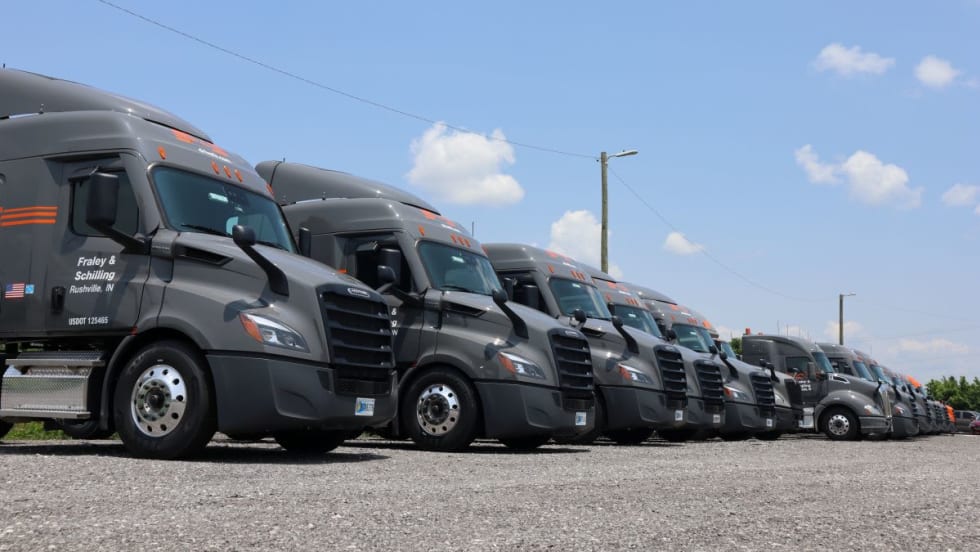
How Fraley & Schilling Improved Logbook Compliance by Over 50%
Fraley & Schilling needed a way to close a compliance workflow gap in its ELD system without adding more work from driver training, reminders, and back-office follow-ups. It found the answer in a custom driver app.
Read More →
Volvo Goes Gaming
Volvo has roared into American Truck Simulator with two new flagship trucks.
Read More →