




Why You Need to Pay Attention to Your Air Dryer
It's more important than ever to protect a truck's air system from contamination, because there are more and more on-vehicle technologies making use of that air. That's why having and taking proper care of an air dryer is vital.



It's more important than ever to protect a truck's air system from contamination, because there are more and more on-vehicle technologies making use of that air.
That's why having and taking proper care of an air dryer is vital. Installed between the compressor and reservoirs, the air dryer collects and removes solid, liquid, and aerosol contaminants such as water and oil before they enter the air brake system and jeopardize efficient operation.
Bendix, which has produced more than 10 million air dryers, says it's not enough to remove the moisture from the air. It says you also need to make sure the oil is being kept out of the air system.
Oil can contribute to premature damage in a variety of components such as push-pull dash valves, spring brake modulating valves, and brake chamber diaphragms. And oil-deteriorated seals can cause air system leaks that may cost you points during roadside inspection.
Oil contamination can lead to the failure of any system that relies on clean air for proper operation, including the air brake, engine, emission, and drivetrain systems. These systems include a variety of advanced technologies required to meet stricter emissions regulations on vehicles built after 2007 and 2010, as well as technologies that fleets are increasingly adopting to improve productivity and fuel economy, including diesel particulate filters, selective catalytic reduction system and transmissions on top of the safety-critical brake components.
Ensuring effective performance of an air dryer over time means replacing air dryer filters on a regular basis. For better air dryer performance, non-oil-coalescing cartridges can be upgraded to an oil-coalescing cartridge such as the Bendix PuraGuard cartridge.
Bendix warns that if its PuraGuard oil-coalescing cartridge is an OEM standard, it must be replaced with a like unit.
When replacing cartridges, Bendix says fleets need to beware of low-cost and counterfeit cartridges, which are not as effective as original OEM equipment. To ensure fleet owners and operators are using genuine parts, Bendix PuraGuard cartridges feature an embossed silver medallion on the top, as well as the PuraGuard logo on the side.
Maintenance
Adhering to a strict preventive maintenance schedule is crucial to keeping a vehicle’s air system clean and ensuring superior performance.
Depending on vocation, Bendix recommends a one-, two-, or three-year air dryer cartridge replacement on vehicles equipped with a Bendix compressor:
For severe service applications, such as residential refuse trucks or school buses, the air dryer cartridge should be replaced every year or 100,000 miles.
For pick up and delivery operations, or for double- and triple-trailer line haul trucks, every two years or 200,000 miles is recommended.
Line haul operations using a single trailer should swap the filter out every three years or 300,000 miles.
Recommended intervals for trucks equipped with non-Bendix compressors are six months (50,000 miles), one year (100,000 miles), and two years (200,000 miles), respectively.
More frequent intervals may be required depending on a vehicle’s age, its compressor condition, the operating environment, the vehicle’s vocation, and its usage. In conjunction with the guidelines, fleets can determine the functionality of their filters by checking for moisture in the air brake system monthly. If moisture is present, the air dryer cartridge may require replacement.
“In addition to the guidelines for maintenance noted, fleets who acquire used trucks should change the air dryer cartridge as part of their prep work to bring the truck into operation,” noted Fred Andersky, director of marketing – charging. “Changing the cartridge and sticking to a maintenance schedule, like our 1-2-3 approach, helps ensure long life and improved reliability of the air system, critical components, and the truck itself. Bottom line, the right air dryer and cartridge can help a fleet and owner-operator lower their operating costs.”
More Maintenance

What Three Fleets Are Doing Differently When Buying Truck Parts in 2026
With freight improving but costs still climbing, fleet maintenance executives explain how they're balancing price, quality, and supplier relationships.
Read More →
Paccar Recalls 2027 Trucks Built This Summer for Possible Electrical Problem
The nearly 6,000 Kenworth and Peterbilt trucks in the recall could potentially lose engine power, among other things.
Read More →
Will API PC-12 Oil Change Trucking Fleet Maintenance?
The new API PC-12 heavy-duty engine oil category reflects the changing demands of modern diesel engines. But fleets like Foodliner are looking to getting their own data before making decisions on adopting the new oils and questions such as extending oil drain intervals.
Read More →
Brake Safety Week to Focus on Drums and Rotors
Commercial vehicle inspectors will be focusing on brakes during CVSA's Brake Safety Week, August 23-29.
Read More →
Possible Battery-Cable Fires Prompt Recall of 15,000+ International MV and HV Trucks
On the recalled vehicles, manufacturing variations can cause the battery interconnect cable to contact the auxiliary stud and hold down the bracket.
Read More →
Rush, MCT Team Up to Grow Refrigeration Service Network
The joint venture will operate MCT's network of Carrier Transicold dealerships and mobile service locations, with the companies promising greater service capacity and uptime for refrigerated fleets.
Read More →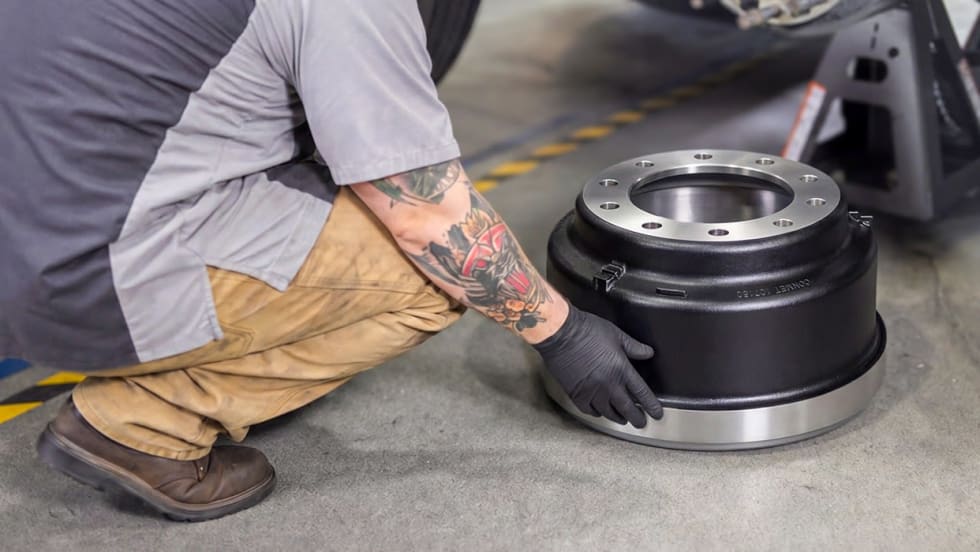
ConMet Expands Aftermarket Brake Drum Lineup With TruCast
A new heavy-duty truck brake drum option in the aftermarket gives customers more flexibility within the ConMet product family.
Read More →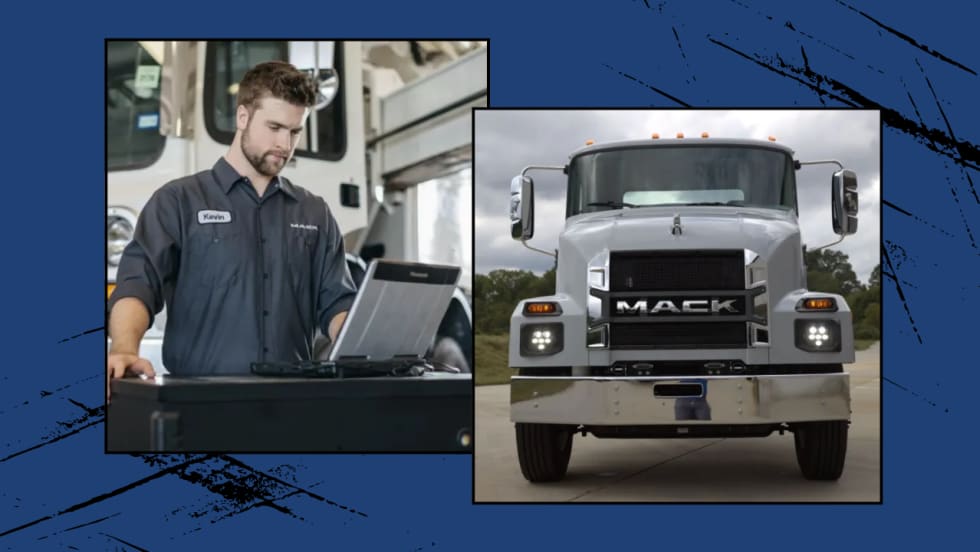
Mack Expands Premium Service Contract Coverage to Medium-Duty MD
With a service contract, inspections, preventive maintenance and repairs can be handled in a single visit instead of multiple ones.
Read More →
Maintenance in the Messy Middle Part 5: Battery-Electric Trucks
No oil changes. No diesel exhaust fluid. No exhaust aftertreatment. But NACFE battery-electric trucks still require specialized maintenance procedures.
Read More →
Trucking Fleets Faced Record Operating Costs During Third Year of Freight Recession
ATRI's annual operational cost report shows carriers trimmed fleets, delayed equipment purchases, and ran older trucks as expenses continued to outpace freight rates.
Read More →