




121 Ways to Save Fuel: Fuel Theft
From the equipment you spec and maintain, to the fuel you buy, to driver training and incentives, you’ll find tips for nearly any type of fleet.
111. Use physical theft prevention options
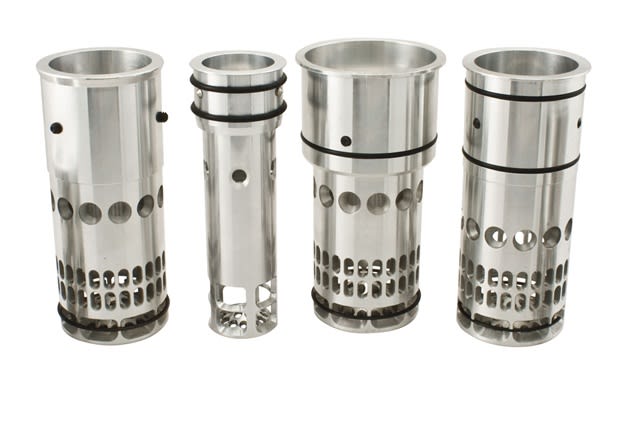
Use locking fuel caps, siphon screens, or other anti-theft devices, recommend the subject matter experts at J.J. Keller.
For instance, FuelDefend offers a line of anti-siphon fuel tank filler-neck guards called NeckIt.
“The biggest problem we see is not theft of the whole tank of fuel, but skimming, where 20-50 gallons are stolen in just a few minutes,” notes David Rogers, general manager. “Unfortunately, these incidents often go unnoticed by the fleet or owner-operator because quantities are small. Fuel management systems might pick this up as poor fuel economy, maybe 2-4% of fuel consumption. It’s significant, but perhaps not enough to alert you to a theft problem.”
112. Monitor tank levels and use
Integrating a fleet’s fuel card data and telematics data allows them to better monitor potential fuel theft. Such systems match fuel level information from a truck’s onboard computer with fuel card data for that truck, that location and time. If more fuel was taken on than the truck could actually hold, there may be a problem. Other methods:
R:Com from Blue Tree Systems connects directly to the engine CAN bus, helps reduce fuel theft by providing live data on fuel tank levels, and the quantity, location and time of fuel fills. R:Com’s Fuel Auditor automatically compares fuel purchased and fuel used and highlights discrepancies.
Omnitracs’ Exact Fuel application monitors and transmits fuel level information on the vehicle data bus directly to fleet managers. This insight helps identify discrepancies in fuel levels that may indicate theft.
Vusion’s fuel theft detection works with a PeopleNet onboard computer connected to the vehicle’s J1939 bus, fleets can track pre- and post-transaction fuel tank levels. The data is integrated with fuel purchases for verification that the entire purchase was deposited into the truck’s tanks.
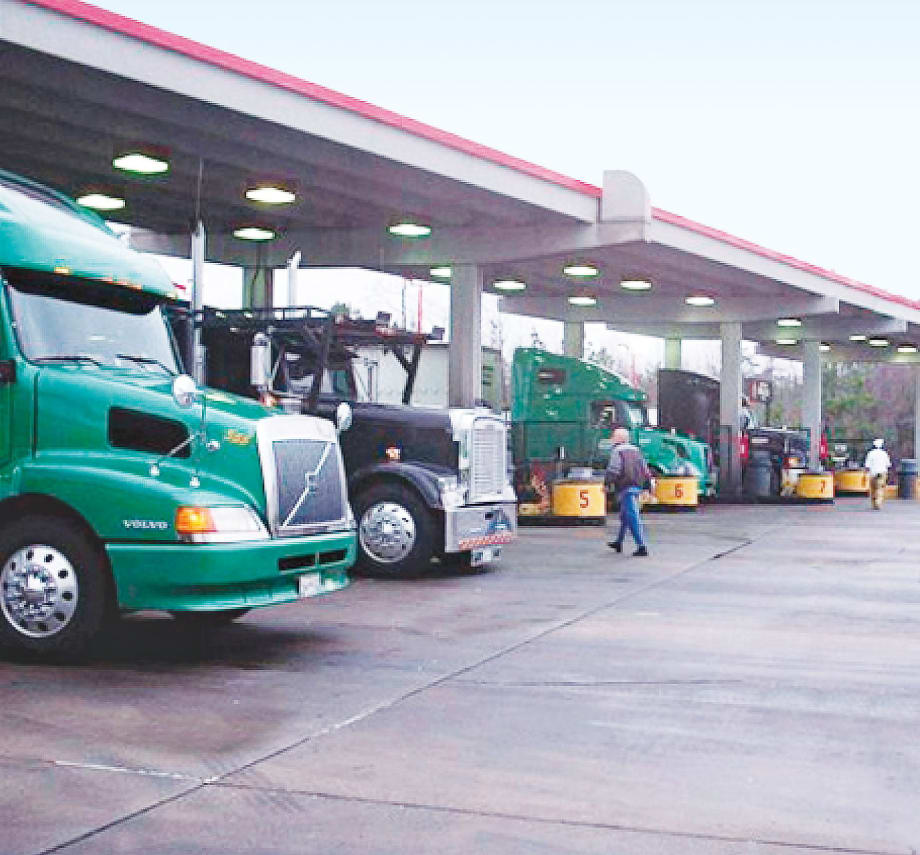
113. Control the fueling process
“When evaluating fuel costs, most carriers look at the direct cost of fuel, as well as inventory, financing, administrative and transaction expenses,” says Ernie Betancourt, president of QuikQ. “While those things are all important, the fuel a carrier pays for that is not burned in its vehicles has to be considered as well. It’s a sensitive discussion but let’s call it what it is – fuel fraud. Five percent theft, which is difficult if not impossible to catch, approaches $4,000 per year for each truck.”
The QuikQ Fuel Purchasing System helps by giving fleets and truckstops live data for real-time reporting and improved security and control over fuel transactions.
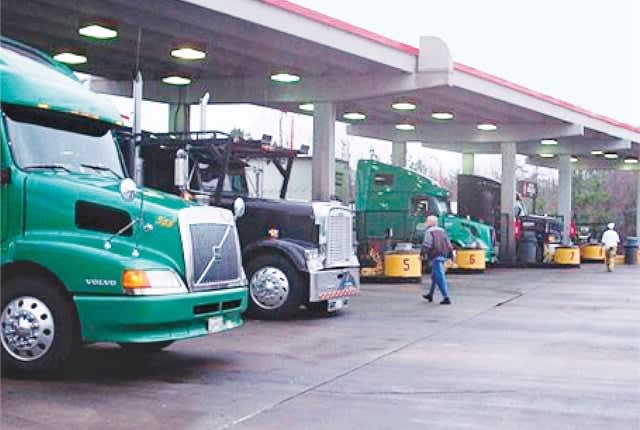
Love’s Travel Stops is adding an RFID-enabled payment system at its travel stop locations, allowing customers to process payment at the pump through radio frequency technology.
A secure, low-cost RFID tag placed on a truck’s windshield. It is detected by an antenna installed in diesel lanes at Love’s locations. The electronic signal turns the fuel pump on and off and completes a payment transaction with little driver interaction.
Stagecoach Cartage & Distribution, El Paso, Texas, has more than 100 trucks on the road using the RFID payment system.
“The entire transaction is quicker and because the process is automated, we are assured that every gallon of fuel we purchase for our trucks is going into our tanks,” says Scott McLaughlin, president of Stagecoach Cartage & Distribution.
RELATED: 121 Ways to Save Fuel
More Fleet Management

How Telematics Improves Visibility, Control, and Performance in Refrigerated Fleets
Explore how telematics help refrigerated fleets improve visibility, uptime, efficiency, compliance, and cargo protection across connected cold chain operations.
Read More →
What the U.S.-Canada Trade War Means for Trucking
Escalating U.S.-Canada tariffs could disrupt cross-border freight, reduce truck volumes, raise costs, and create new uncertainty for carriers on both sides of the border.
Read More →
What Are Trucking’s Top Concerns for 2026?
The American Transportation Research Institute wants to know what's worrying trucking fleet managers, drivers, and other stakeholders in its annual Industry Issues survey.
Read More →

American Trucking Associations Looks for a New Leader
ATA President and CEO Chris Spear abruptly left his job at the association on August 21, at a pivotal time for the trucking industry.
Read More →
Public Wi-Fi Cybersecurity Risks: How Truck Drivers and Fleets Can Protect Their Data
Public Wi-Fi can expose truck drivers and fleets to credential theft, malware, and other cyber threats. Here’s how to reduce the risk on the road.
Read More →
For Nicky Cupp, Fleet Innovation Starts With Frustration
HDT Truck Fleet Innovator Nicky Cupp turns everyday pain points at Fraley & Schilling into opportunities for better technology and smarter processes.
Read More →
Adam Buttgenbach’s Approach to Electric Trucks: Start With Where They Fit
HDT Truck Fleet Innovator Adam Buttgenbach helped PepsiCo build one of North America’s largest EV fleets by focusing on where electric trucks make operational sense.
Read More →
Deen Albert: Let Automation Do the Math, People Make the Decisions
HDT Truck Fleet Innovator Deen Albert makes sure people are still at the heart of operations at Grand Island Express, even while adopting artificial intelligence tools. AI-assisted dispatch helped boost revenue 25% with the same number of trucks.
Read More →
Trimble’s New AI Agent Takes Aim at Fleet Back-Office Busywork
Arc Agent works across Trimble TMS products to automate repetitive tasks such as freight orders, maintenance, invoices, fuel costs and more.
Read More →
How HDT’s 2026 Truck Fleet Innovators Are Rethinking Fleet Operations
Meet five trucking leaders who are challenging assumptions, solving operational problems, and putting innovative ideas to work.
Read More →