




Why GHG Phase 2 May Mean More Electric Vehicles
Battery-electric vehicles may be just the ticket for truck makers looking to meet Phase 2 of greenhouse gas emissions requirements in the medium-duty truck sector.

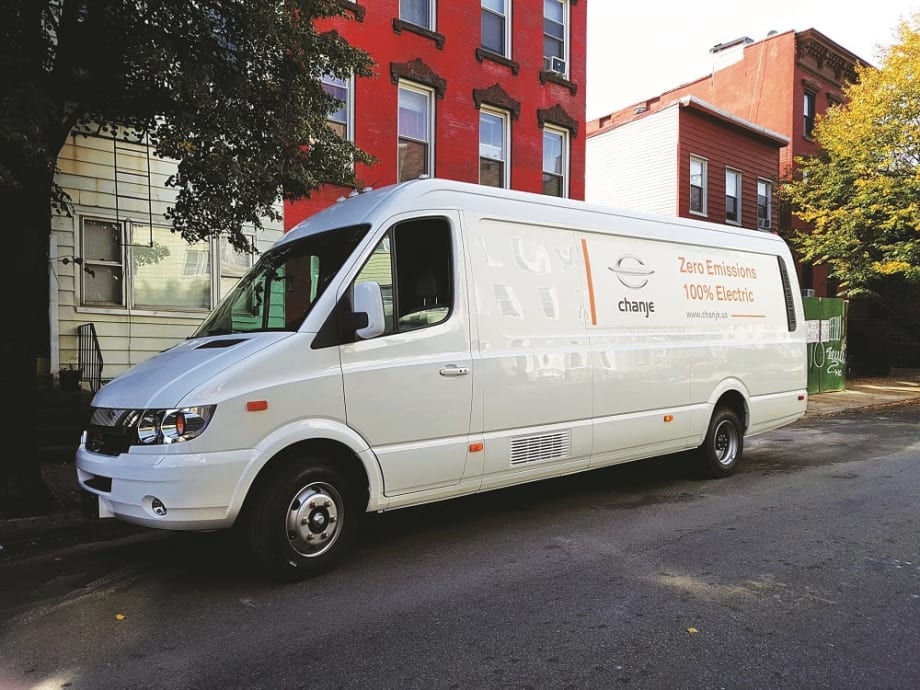
Battery electric vehicles offer GHG credit multipliers and will help OEMs offset vehicles with diesel engines, especially in the medium-duty and vocational domains.
Photo: Jim Park
The stars seem to be aligning for a significant rollout of battery-electric vehicles in the 2021 model year, the first year of the truck/tractor portion of Phase 2 of the greenhouse gas emissions regulations. And that spells an opportunity for truck makers.
Several truck makers have suggested that meeting GHG Phase 2 requirements for medium-duty and vocational vehicles will be more challenging than for on-highway vehicles. And that makes BEVs ideal candidates to replace diesel engines in any number of segments where the technology suits the application.
The regulations that will apply to vocational and heavy-duty pickup trucks and vans call for reductions in CO2 and fuel consumption of 24% and 16%, respectively, by 2027. Through the magic of credits earned on more-efficient vehicles, they can turn to less-drastic measures at first to meet requirements for the more difficult cases.
“For every electric vehicle an OEM puts into the medium-duty domain, there is a multiplier that can offset, I believe, up to five diesel trucks [the rule says 4.5],” says Darren Gosbee, vice president of engineering at Navistar. “It will be advantageous to an OEM to have electric vehicles in their portfolio. It’s a very good route to corporate averaging.”
Being smart about BEVs
The National Renewable Energy Laboratories did a comparison study in 2016 of PepsiCo’s Frito-Lay North Americas diesel and electric vehicles operating in the Seattle area. NREL found that average daily driving time for both electric and diesel units was just 1.5 hours, with most of the electric vehicles running less than 45 miles per day and consuming significantly less (55 kWh) than the battery’s 80 kWh capacity.
Details of this study were described in the recently released guidance report from the North American Council for Freight Efficiency, Electric Trucks: Where They Make Sense. NREL said that fleets using such vehicles could gain additional efficiency by matching routes to the vehicle’s capabilities. “The new technology may permit rethinking operations to better tune them to the capabilities of the BEVs, rather than forcing the BEVs to duplicate the diesel duty cycles,” NACFE noted.
It’s easy to see where BEVs can make sense for highly sophisticated fleets like PepsiCo or UPS. But a large chunk of the heavy-duty pickup truck and van market are not truckers at all, but bakers, plumbers, and sales people who use their trucks as tools. They will have a much higher degree of range anxiety, and therefore a greater reluctance to embrace BEVs. To that end, Isuzu is planning an evaluation project in the next year that will see five trucks placed into customers’ hands in five different parts of the country to see how they measure up to real-world situations.
“We want to see if our testing translates to the real-world experience, where people drive their trucks like they stole them,” says Brian Tabel, executive director of marketing for Isuzu Commercial Truck of America. “Assuming the trucks meet that challenge, the next hurdle to wide adoption will be infrastructure, and today’s grid isn’t ready for that demand.”
Related: How GHG Phase 2 Will Change the Way You Spec Trucks
More Fuel Smarts

Why Diesel Price Relief Efforts May Fall Short
Diesel prices have eased from September’s record high, but doubts about additional Russian supply and limits on dyed-diesel tax relief mean trucking fleets still face expensive fuel. And prices could go higher.
Read More →
Why Small Fuel Savings Matter in Trucking
Can better fuel economy help pay for driver raises? In this podcast, GP Transco explains how small efficiency gains create room to reinvest in its people.
Read More →
How GP Transco Cuts Trucking Fuel Costs, a Tenth of a Gallon at a Time
What’s another tenth of a mile per gallon worth? GP Transco shares how equipment upgrades and driver coaching turn small gains into meaningful fuel savings.
Read More →
Electric Yard Tractors Move Beyond Pilots
Operating-cost savings have overtaken sustainability goals as the leading reason surveyed fleets are adopting battery-electric terminal tractors, according to new NACFE research.
Read More →
Geotab Links Fleet Card to Vehicle Data
The new card combines fuel discounts with telematics-based purchase controls. Geotab’s analysis also points to potential savings from choosing lower-priced fuel stops.
Read More →
Fleet Economics Shape Electric Truck Outlook
ACT Research expects costs, charging infrastructure, and technology improvements to drive zero-emission commercial vehicle adoption as federal regulations and incentives retreat.
Read More →
Wex Adds Cardless Fuel Payments for Over-the-Road Customers
A new fuel card feature for Wex customers offers convenience and security.
Read More →
New California Law Could Shed Light on Electric Truck Prices
Why do battery-electric Class 8 trucks remain so expensive? A California bill signed by Gov. Gavin Newsom would give fleets and state agencies more visibility into what manufacturers charge.
Read More →
How Volvo Updated Its D13 for EPA 2027 [Watch]
Volvo’s updated D13 promises lower emissions without sacrificing performance or fuel economy. Take a closer look at what changed inside the engine in this HDT Spotlight video.
Read More →
Diesel Price Spike Shortens Payback for Natural Gas Trucks, Report Says
Energy Vision estimates fleets could recover the higher purchase price of an RNG-fueled Class 8 tractor in 1.3 to 2.8 years under current fuel-price scenarios.
Read More →