





Related: Spec'ing the Right Powertrain
5 Strategies to Complement Your Powertrain Spec
When you're spec'ing a powertrain for a new truck, the process isn’t finished even after all the calculations are done and the appropriate ratios sorted out. You’re leaving money on the table if you walk away without considering the impact the rest of your spec has on fuel efficiency.
October 10, 2023

Today’s cruise control options can be complex and difficult to grasp. Driver training is the best way to help drivers get the most from your investment in technology.
Photo: Jim Park
4 min to read
When you're spec'ing a powertrain for a new truck, the process isn’t finished even after all the calculations are done and the appropriate ratios sorted out. You’re leaving money on the table if you walk away without considering the impact the rest of your spec has on fuel efficiency.
“Today's powertrains are incredibly efficient, but to reap the rewards of a properly spec'd powertrain, the rest of the chassis has to be just as, if not more, efficient,” says Duane Tegels, product marketing manager for powertrain, Volvo Trucks North America. “It’s all about reducing the horsepower required to pull the load down the road.”
1. Maximize Aerodynamics
Tegels says aerodynamics play a large part in this. Wind and aerodynamic resistance require horsepower to overcome, and every horse is thirsty and requires fuel. If you reduce aerodynamic resistance, the required horsepower is reduced, thus reducing fuel consumption.
“There is a reason the old long-nose conventional tractors had large-hp engines, because they needed them to perform,” he points out. “Things like aero bumpers, chassis and back-of-cab fairings, side skirts, and wheel covers can all make a difference.”
Those are little bits of low-hanging fruit that have been documented effective at improving aerodynamic efficiency. Perhaps the worst offender on the chassis is the gap between the tractor and trailer. Closing that gap is critical to better fuel economy, but you might have to change your front axle spec.
2. Reduce the Tractor/Trailer Gap
“You would not think the front axle rating would affect fuel economy, but if the trailer weight cannot be transferred to the front axle without overloading it, the trailer gap suffers —and large trailer gaps have a significant impact on fuel economy,” Tegels says.
He prefers to put a heavier front axle on long-haul tractors, such as a 13,200-pound axle on a 6x4 tractor or a 14,600-pound axle on a 6x2.
Of course, a change in the axle spec might require upgrading the steer axle tires to a load-range H tire from a LR-G. And you’ll likely have to post reminders for drivers and technicians that the LR-H tires need to be inflated to a higher pressure to accommodate the higher axle loading.
3. Spec Fuel-Efficient Tires
There’s no point in spec’ing the most efficient powertrain money can buy if you’re not also running the most fuel-efficient tires. Rolling resistance kills fuel economy. Evaluate your tire spec while you’re considering the powertrain implications.
Len Copeland, product marketing manager, Detroit Products, Daimler Truck North America, reminds us that tires have the greatest impact on fuel economy while driving below 50 mph, while aerodynamics have the greatest impact on fuel economy at speeds above 50 mph. If you spend a high percentage of time at slower speeds, the tire spec is even more critical.
Investing in some tire maintenance technology such as tire pressure monitoring systems or automatic tire inflation systems will pay off in longer tire life — and improved fuel economy.
“Halo clients regularly cite a 1-3% fuel economy improvement as well as a 10-20% tire life improvement after deploying the Halo Tire Inflator in their fleets,” says Judith Monte, vice president, customer experience and marketing, Aperia Technologies. “This highlights the fact that a little bit of prevention goes a long way toward improving tire life and fuel economy.”
4. Don't Overlook Driver Training
It makes no sense to invest in a sophisticated fuel-saving powertrain but not fully explain to drivers how to get the most from it. Each new model generation brings advances in functionality and sometimes changes in how the systems operate. Drivers are part of that loop, so a healthy investment in driver training is almost a necessity.
“Understanding how the truck operates helps drivers make decisions that reduce stress and provide a better overall experience,” says Kris Ptasznik, powertrain TCO and Consultancy Leader at Cummins.
His sentiments are echoed by Laura Ricart, Navistar’s senior chief engineer for vehicle performance integration.
“Training on the equipment is crucial,” she says. “Understanding which decisions the algorithm will make in different situations would increase confidence levels and reduce [driver] anxiety [in certain situations.]”
5. Invest in Safety Systems
“The cost of one crash can wipe out years of fuel economy savings over hundreds and hundreds of trucks,” Copeland notes wryly.
If you see laser-spec’ing your powertrain as one pathway to lower operating costs, don’t put it all at risk by overlooking the protection offered by today’s advanced safety systems. Leave a little money in the budget for that, too.
Subscribe to Our Newsletter
More Equipment
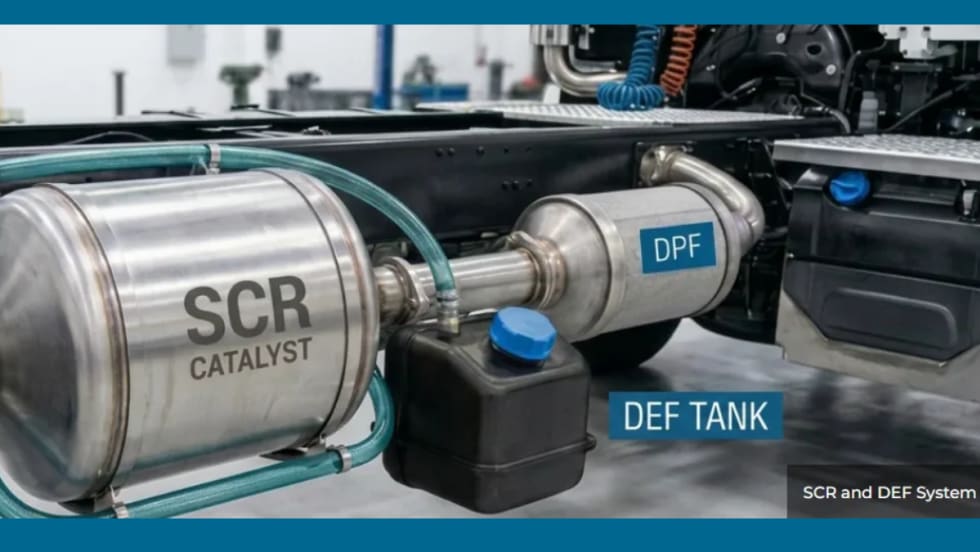
Engine Technology Forum Launches SCR, DEF Resource Center Amid Emissions Debate
The Engine Technology Forum’s new online hub aims to provide fleets, policymakers, and equipment owners with fact-based information about selective catalytic reduction technology, diesel exhaust fluid and emissions compliance.
Read More →
Prime Inc. to Open $7.9M Flagship Used-Truck Dealership
A new driver-focused facility to sell Prime Inc's used trucks and trailers will be the first purpose-built location in the company's history.
Read More →
Lessons Learned About Alternative Fuels: Start Small, Stay Flexible
Practical advice on adopting alternative fuels and ZEVs from HDT's 2026 Top Green Fleets, from renewable diesel and natural gas to electric trucks.
Read More →
Kenworth Names Peter Ahrens General Manager
Leadership changes at Kenworth take effect July 1 as the OEM promotes two longtime Paccar executives to key management roles.
Read More →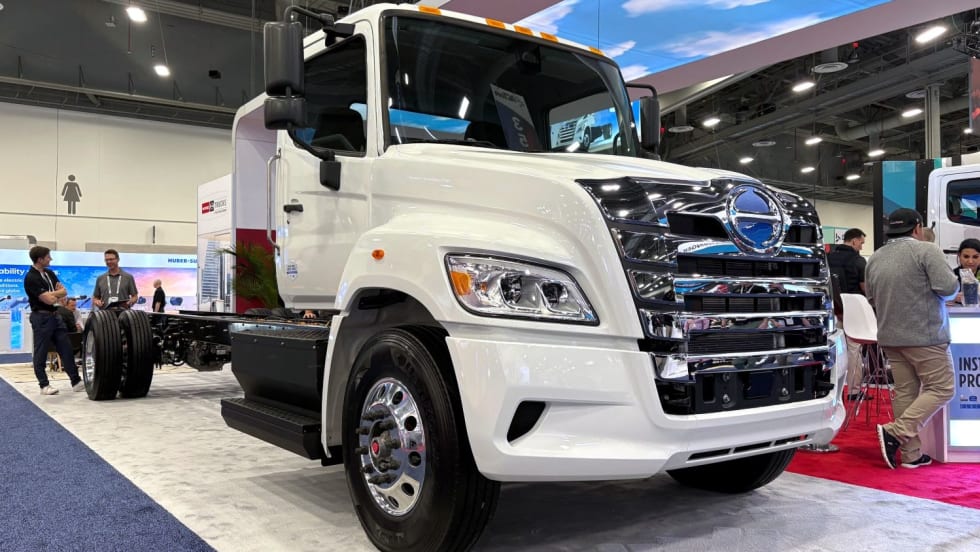
Hino Adds Electric Class 6/7 Truck
Hino says the Le Series is an important step in the company's efforts to reduce environmental impact and support its customers’ sustainability goals.
Read More →
ACT Expo 2026: Highlights in Photos
The 2026 Advanced Clean Transportation Expo featured a broad range of commercial vehicle technologies, from EVs to autonomous trucks to the latest diesel and alternative-fuel engines.
Read More →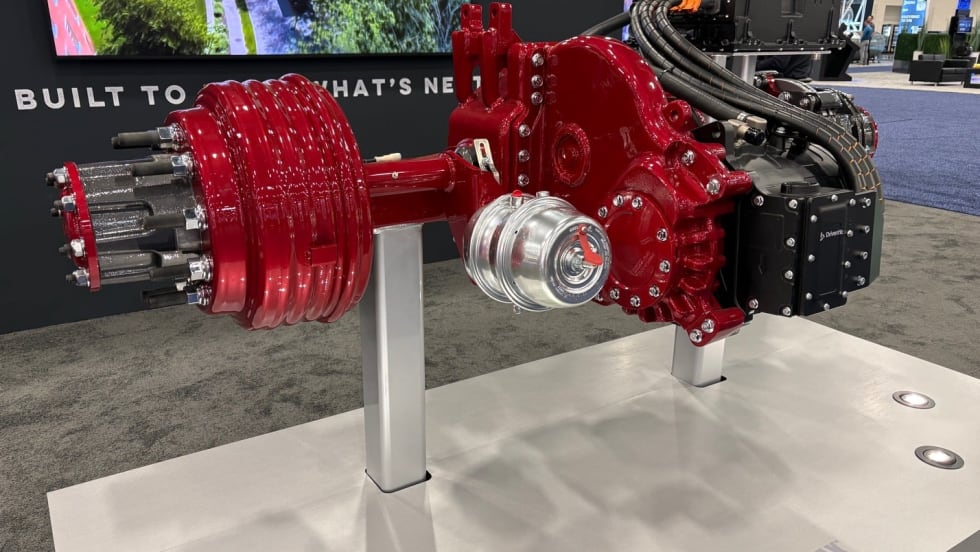
Hendrickson Debuts Electraax E-Axle for Medium-Duty Trucks
Developed with Driventic, Hendrickson's new integrated e-axle is designed to improve efficiency, reduce weight, and extend range in Class 6-7 EV applications.
Read More →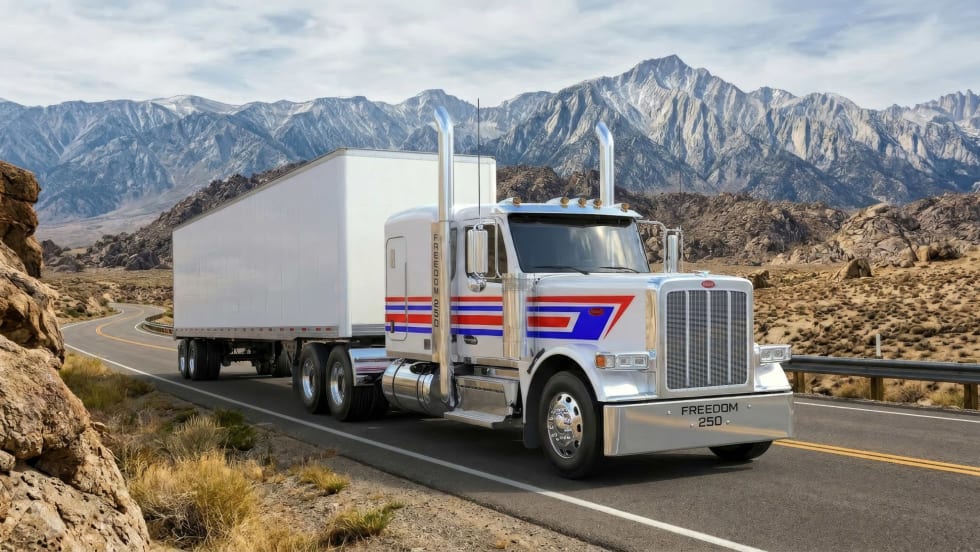
Peterbilt Unveils Freedom 250 Special Edition Model 589
Peterbilt’s just-announced limited-run patriotic Model 579 tractor celebrates America’s 250th birthday with custom styling and premium features.
Read More →
Mack Unveils EPA 2027-Compliant MP13 Engine With More Power, Better Fuel Economy
Along with unveiling its EPA 2027-compliant MP13 engine, Mack outlined powertrain changes across its Class 6-8 lineup, including new Cummins-based X10 engines.
Read More →
Kodiak and Roehl Transport Launch Autonomous Route Between Dallas and Houston
Kodiak AI and Roehl Transport have begun autonomous freight operations on a regular Dallas-Houston route, marking another step toward Kodiak’s planned driverless launch by the end of 2026.
Read More →