




Peterbilt Unveils Model 579 UltraLoft Integrated Sleeper Truck
Peterbilt has introduced its new Model 579 UltraLoft, an integrated high-loft sleeper truck designed to give driver teams and solo truck drivers extra space and amenities, with a fuel efficiency boost as well.
February 15, 2018

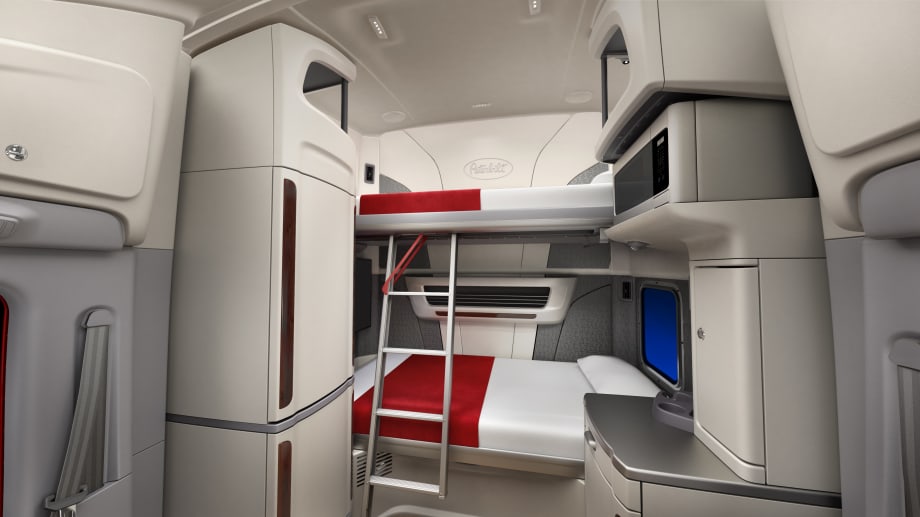
A fold-down ladder offers easy access to the Model 579 UltraLoft's upper sleeper bunk. Photo: Peterbilt
3 min to read

Peterbilt has introduced its new Model 579 UltraLoft, an integrated high-loft sleeper truck designed to give driver teams and solo truck drivers extra space and amenities, with a fuel efficiency boost as well.
Unveiling the new truck to reporters in Scottsdale, Arizona, Peterbilt officials explained that the latest addition to the company’s on-highway lineup was developed with extensive driver input and feedback.
"The 80-inch integrated UltraLoft sleeper provides plenty of space for drivers who spend multiple weeks on the road or for team drivers," said Peterbilt Chief Engineer Scott Newhouse, adding that it’s ideal for driver trainer operations as the industry struggles with a shortage of experienced truck drivers.

Inside the Sleeper
A new HVAC system increases air flow to both upper and lower bunks. A fold-away ladder makes it easy to climb to the upper bunk, and there’s enough height between the upper and lower bunk that a driver can sit upright in the lower bunk without hitting his or her head.
And those bunks are the largest available, according to Peterbilt. With the sleeper built on the wider 2.1-meter cab platform of the Model 579, the bunks are 85 inches long on the lower one and 82 on the upper, with the lower bunk 42 inches wide and the upper bunk 36 inches wide.
Single-bunk configurations provide 70 cubic feet of storage, with 64 in the double bunk. A split upper bunk design allows for another 14 cubic feet of storage; the forward portion flips up to create a secure, clean storage space for items when it’s not being used as a bed.
A large wardrobe offers 42 inch-long hanging space for long shirts and jackets. Large storage areas above the cabinets on both the driver and passenger side are large enough to store two CPAP machines for treating sleep apnea if needed, with the storage open to the rear so it’s easily accessed from the upper bunk .
And there’s easily accessible power ports, with 12-volt, 110-volt and USB power ports located in the panel right behind the driver’s seat. When you have an upper bunk, it’s duplicated so that driver has the same power access without having to run extension cords and the like. There’s also a slide-out table on the driver’s side for working or eating.
It offers space to accommodate a 1.1-cubic-foot microwave oven and enough room to fit a 32-inch flat screen TV in the lower bunk.
In the front of the cab, noted Newhouse, there’s plenty of headroom as you transfer from the driver’s seat to the sleeper, as well as more storage, with the addition of cubbies above the driver and passenger doors.

Fuel Economy Improvements
The UltraLoft also provides an estimated 2% aerodynamic improvement while maintaining the styling of the Model 579. The new sun visor acts as an aerodynamic airfoil, explained Wesley Slavin, marketing manager, on-highway products. “As the wind goes over the sun visor, it creates a low pressure zone and almost tries to pull the cab forward.”
At the same time, Slavin said, the sculpted aerodynamic roof maintains the look of the Model 579.
The 579 UltraLoft is available for order now and production is scheduled to begin in July.
Robert Woodall, assistant general manager of sales and marketing, told HDT that the new Model 579 UlraLoft will allow Peterbilt “to grow into fleets we’ve never been able to sell into,” who want that kind of big, open sleeper for their drivers.
More Drivers

Drivers Put Western Star Trucks to the Test at Star Nation Experience
Watch to get an inside look at the Western Star trucks, technology, and community behind the Star Nation Experience 2026!
Read More →
Trump Administration Looks to Put More Veterans Behind the Wheel
The Freedom Haulers program pulls together existing and expanded programs at several federal agencies to recruit veterans to drive commercial heavy-duty trucks and cut the red tape for them to get a CDL, training, and employment.
Read More →
Putting Mack’s Command Steer to the Test
A test drive of Mack’s Command Steer active steering system evaluates how it can make truck driving easier and less tiring.
Read More →
Competition Heating Up for Truck Drivers
New report reveals rising driver hiring costs, the return of sign-on bonuses, growing AI advantages, and the operational factors shaping driver retention.
Read More →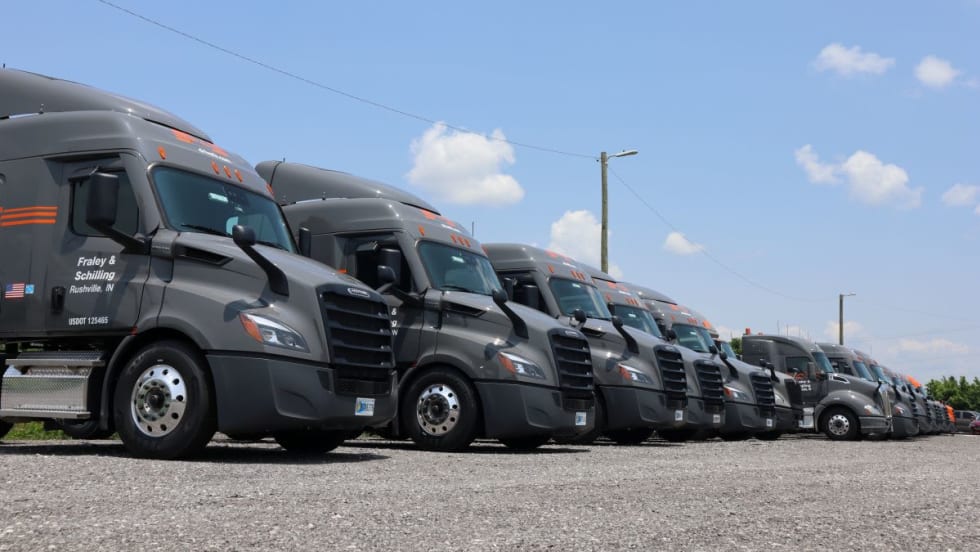
How Fraley & Schilling Improved Logbook Compliance by Over 50%
Fraley & Schilling needed a way to close a compliance workflow gap in its ELD system without adding more work from driver training, reminders, and back-office follow-ups. It found the answer in a custom driver app.
Read More →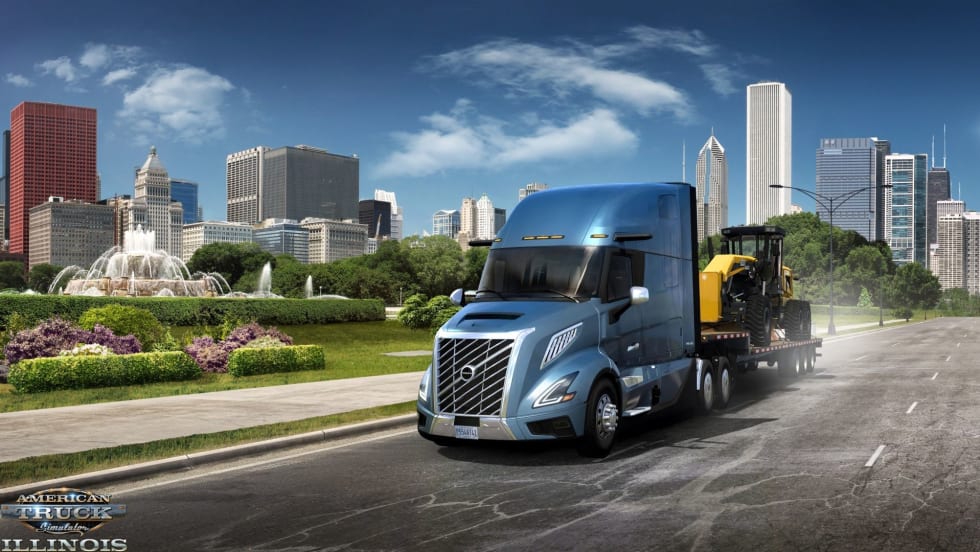
Volvo Goes Gaming
Volvo has roared into American Truck Simulator with two new flagship trucks.
Read More →
What the Best Fleets to Drive For Teach About Driver Retention
Survey fatigue, AI-powered routing, owner-operator expectations, and the decline of social media all emerged as themes from this year's Best Fleets to Drive For program.
Read More →
Driver Retention Lessons From the Best Fleets to Drive For
What separates trucking's best workplaces from the rest? Jane Jazrawy shares the biggest lessons from this year's Best Fleets to Drive For program on driver retention, communication, AI, and workforce trends on the HDT Talks Trucking podcast.
Read More →
Farewell, CDL: Why I'm Giving Up My Commercial Driver's License
After more than 20 years as a CDL holder, HDT Executive Editor Jack Roberts is letting his commercial license expire. Not because he wants to — but because trucking's nuclear verdict crisis has made the risks of public-road test drives too great for editors, manufacturers, and everyone involved.
Read More →
How Top Trucking Fleets Improve Driver Retention [Video]
What do healthy snacks, optimized routing, and just picking up the phone have in common? They're all strategies the Best Fleets to Drive For are using to retain truck drivers.
Read More →