





Related: UPS Orders 125 Tesla Electric Trucks
Details Emerge on Tesla's Planned Electric Truck Charging Network
A report by Reuters indicates Tesla is working with Anheuser-Busch, PepsiCo and UPS to put an electric truck charging network in place ahead of the truck's start of production next year.
February 2, 2018
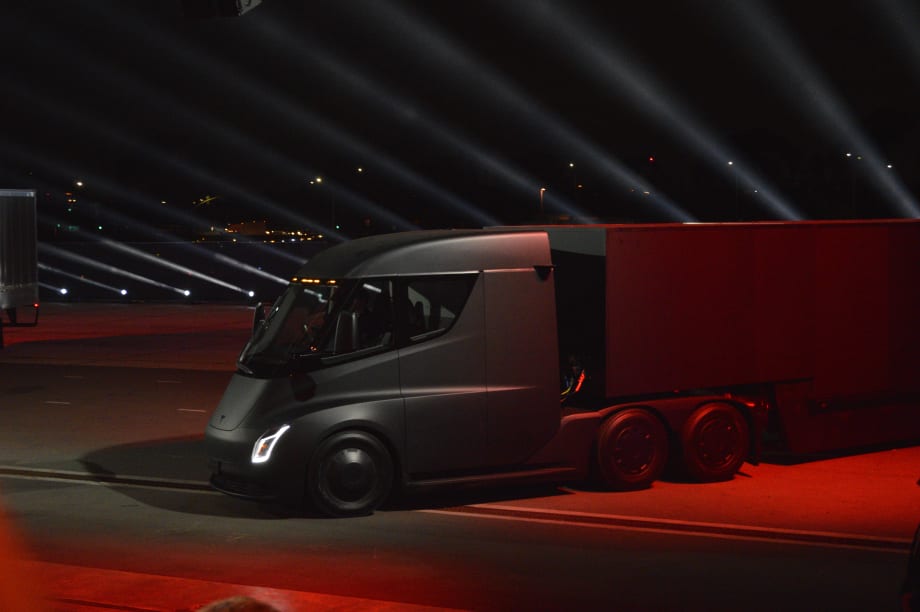
According to a Reuters report, Tesla is working with several leading North American fleets to install a network of electric truck charging stations. Photo: Jack Roberts
2 min to read
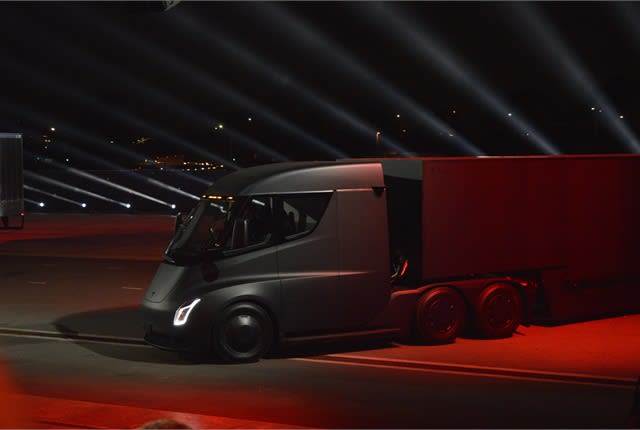
According to a Reuters report, Tesla is working with several leading North American fleets to install a network of electric truck charging stations. Photo: Jack Roberts
At the Tesla Semi truck launch in Hawthorne, California, last fall, CEO Elon Musk made passing reference to a planned network of high-capacity charging stations that would eventually be put in place to recharge his electric trucks and extend their daily range. Details on that network were sparse, however.
Now, Reuters has learned that Musk and Tesla are collaborating with several logistics leaders in North America to put the beginnings of that charging network in place. According to a report from Reuters, Anheuser-Busch, PepsiCo and United Parcel Service are working with the electric truck builder to construct on-site charging terminals at their facilities as Tesla ramps up production of its new truck next year. These firms are among nine major logistics providers in North America that have placed pre-orders for the new electric truck.
According to the report, details of the deal are still under negotiation, but will include design and engineering input from Tesla. Reuters notes that the agreement bolsters Musk’s claims that Tesla can put a charging network in place in time to support the new truck, and is, in fact, working to overcome one of the most widely cited shortcomings in his publicly stated plans for the Semi truck. The agreement is also a strong indication that Tesla truck customers are taking both the vehicle and its deployment seriously, and working with the company to ensure as smooth a launch as possible once the trucks enter production.
Reuters reports the companies it spoke to indicated their initial effort will be to install charging equipment on their own premises, with the first Tesla Semis deployed on routes that will return them to their home base at the end of a daily run, before the batteries run down.
Reuters also noted in the report that Tesla is also working on establishing its own network of electric truck stops, which will sell electric charges to truckers. Tesla already operates more than 1,100 “supercharger” stations globally for drivers of its passenger cars. Musk noted during the Semi launch last fall Tesla intends to construct a network of solar-powered “megachargers” that he said could recharge a Semi truck battery in as little as 30 minutes.
However, the report also noted that Tesla is “stretched thin and burning cash,” raising more questions as to how quickly the company is capable of putting the planned truck-oriented charging network in place. Some analysts and trucking executives, the report adds, doubt that Tesla can deliver the Semi in 2019, much less a vast charging infrastructure to support it.
More Fuel Smarts

California Bill Could Shed Light on Electric Truck Prices
Why do battery-electric Class 8 trucks remain so expensive? A California bill headed to Gov. Gavin Newsom would give fleets and state agencies more visibility into what manufacturers charge.
Read More →
Detroit Opens Orders for EPA 2027 Engines
Detroit isn’t starting from scratch to meet EPA 2027 diesel emissions standards. Its Gen 6 DD13 and DD15 engines keep much of today’s platform while updating the fuel and aftertreatment systems.
Read More →
Zero-Emission Truck Corridor Planned for West Coast
California, Oregon, Washington, British Columbia and Baja California are coordinating plans for truck charging and hydrogen fueling from Canada to Mexico.
Read More →
A Closer Look at Kenworth’s Electric T880E Vocational Truck [Video]
Learn more about Kenworth's T880E battery-electric vocational truck at the Paccar Technical Center, including its range, applications, upfitting considerations, and PTO options, in this HDT Spotlight video.
Read More →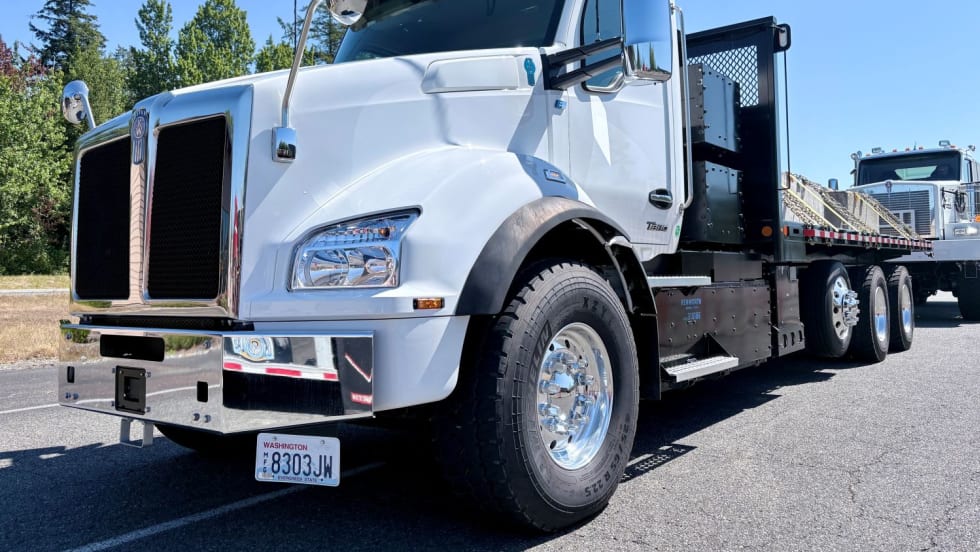
Kenworth T880E Brings EV Power to Vocational Trucks
A closer look at the Kenworth T880E’s range, charging, powertrain and upfit options — and where fleets are showing the most interest.
Read More →
Jennie Abarca Is Proving Electric Trucks Can Do the Job
HDT Truck Fleet Innovator Jennie Abarca is building confidence in fleet electrification one load at a time while openly sharing the challenges she encounters along the way as a small-fleet owner.
Read More →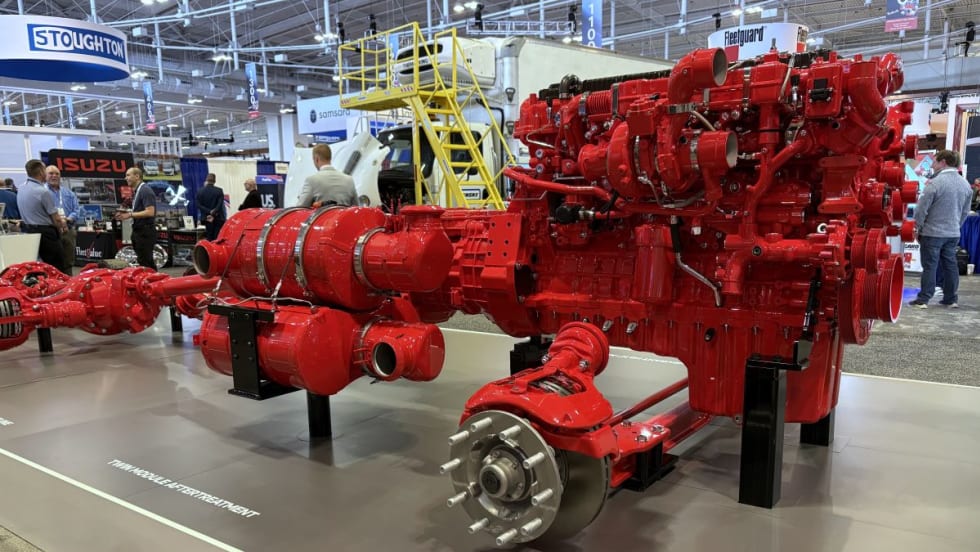
Cummins Adjusts 2027 Engine Rollout After EPA Proposal
The engine maker will gradually introduce its new Model Year 2027 diesel engines while continuing to offer current models during the transition, citing the EPA's proposed emissions rule changes.
Read More →
EPA Proposal Could Ease 2027 Truck Costs and Buying Uncertainty
The proposal doesn't change the tougher NOx standard, but it would revise key implementation requirements that manufacturers say have driven up costs and complicated fleet purchasing decisions.
Read More →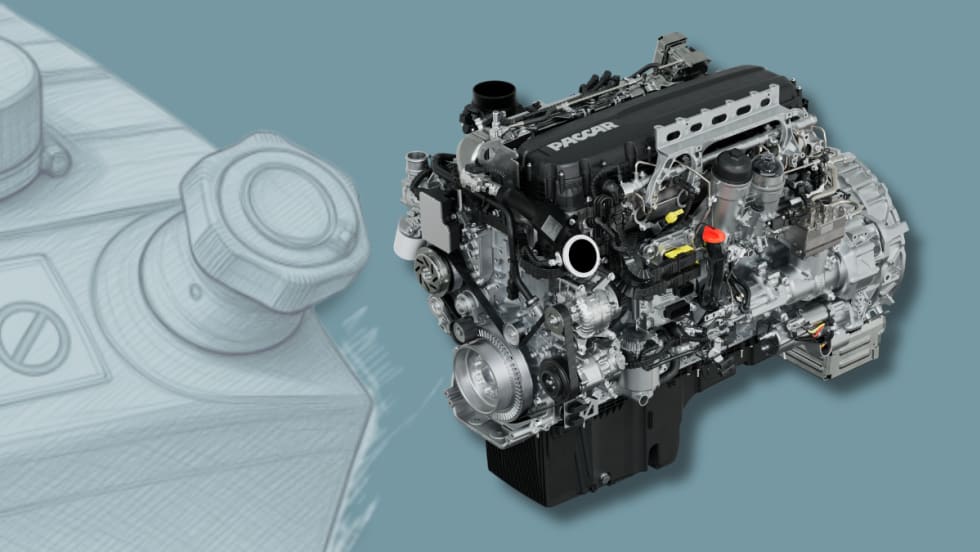
Cummins, Paccar Ease DEF Derates After EPA Guidance
Updated diesel engine software gives truck operators more time to address emissions-system issues while staying compliant with EPA emissions standards.
Read More →
Maintenance in the Messy Middle Part 3: Biodiesel
Biodiesel can reduce emissions, improve fuel-system lubricity and use existing diesel infrastructure. But NACFE’s Messy Middle maintenance report says fleets must actively manage storage, cold-weather operation, filters and oil drain intervals to avoid problems.
Read More →